A caregiver lifting belt can make everyday transfers safer and more controlled for both the helper and the person being assisted. The right design can improve stability, reduce strain, and support more confident standing, walking, and repositioning.
Below, we focus on practical differences that matter most: handle placement, buckle style, adjustability, comfort, and weight capacity.
Best 10 Caregiver Lifting Belt Picks for 2026
Classic Webbing Transfer Aid
COW&COW Metal Buckle Gait Belt
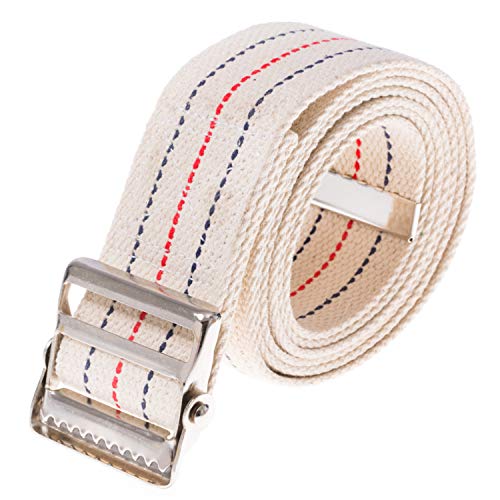
- 2-inch cotton webbing for comfort and durability
- Nickel-chrome plated steel buckle with secure closure
- Supports up to 350 lbs and is machine washable
Best For: Everyday walking, standing, and transfer assistance
Multi-Handle Transfer Support

- Seven handles offer grip points from many angles
- 5-inch wide pad adds back support
- Quick-release buckle with reinforced stitching
Best For: Short-distance transfers with multiple hand positions
Heavy-Duty Everyday Transfer Belt

- Double-stitched polyester-cotton webbing
- Rust-resistant metal buckle with locking teeth
- Machine washable and designed for 350 lbs
Best For: Home, hospital, and rehab transfers
Padded Multi-Handle Lifting Aid

- Seven padded handles for multiple grip angles
- Extra-wide 4-inch design for pressure dispersion
- Supports up to 350 lbs with quick-release buckle
Best For: Bariatric, elderly, or handicap transfer support
Classic Gait Belt
60 Inch Quick Release Assist Belt

- Supports safe transfers and ambulation
- Soft nylon with reinforced stitching for daily use
- Quick-release adjustable buckle and machine-washable care
Best For: Basic walking and transfer support for caregivers and therapy use
Premium Support

- 7 padded handles for flexible caregiver grips
- Quick-release buckle and foam-padded interior
- Breathable nylon and leather with reinforced seams
Best For: Caregivers needing multiple handle positions and padded transfer support
Reliable Basics
60-Inch Metal Buckle Gait Belt

- Adjusts up to 60 inches for most body types
- Cotton webbing with reinforced metal buckle
- Machine washable for easier care
Best For: Simple, durable assistance in home, rehab, or hospital care
Versatile Grip

- 4 vertical and 3 horizontal handles
- Quick-release metal buckle and adjustable fit
- Heavy-duty nylon webbing is machine washable
Best For: Caregivers wanting flexible grip points for controlled transfers
Classic Webbing Transfer Aid – COW&COW Metal Buckle Gait Belt
If you want a straightforward caregiver lifting belt for routine transfers and walking support, this COW&COW gait belt keeps things simple. It uses 2-inch cotton webbing, an adjustable length up to 60 inches, and a nickel-chrome plated steel buckle for secure fastening and easy removal.
Best For: Caregivers who want a basic, durable transfer belt for everyday walking and standing assistance.
Pros:
- 2-inch cotton webbing is designed to be durable and comfortable.
- Metal buckle offers a secure closure with quick removal.
- Rated for a webbing weight capacity of 350 lbs.
- Machine washable for easier cleanup after use.
Cons:
- Single-belt design does not include added handles for extra grip points.
- Best fit depends on selecting the right length size.
This is a practical pick if you need a no-frills caregiver lifting belt for transfers, gait support, and patient walking assistance. The focus here is on durability, secure closure, and a comfortable webbing feel rather than extra features.
Multi-Handle Transfer Support – 7-Handle Gait Belt
This caregiver lifting belt is built for situations where extra hand placement matters. With seven handles in different orientations, a 5-inch wide back support pad, and a quick-release buckle, it is aimed at helping nursing staff and family caregivers transfer patients more safely and comfortably.
Best For: Caregivers who need multiple grip options for short-distance transfers and assisted walking.
Pros:
- Seven handles provide multiple gripping positions from different angles.
- 5-inch wide pad adds back support and comfort.
- Quick wear release buckle makes removal easier.
- Reinforced stitching and thick fabric are designed for sturdier use.
Cons:
- Adjusts only from 30 to 43 inches, so fit range is limited.
- Bulkier than a standard single-strap gait belt.
If you need more control during transfers, this model stands out for its multiple handles and supportive padding. It is especially useful when caregivers need a safer, more flexible way to guide movement without relying on one hand position.
Heavy-Duty Everyday Transfer Belt – Aliseniors 60-Inch Gait Belt
For shoppers comparing a caregiver lifting belt for daily use, this Aliseniors model leans into simple durability and easy maintenance. It combines double-stitched polyester-cotton webbing, a rust-resistant metal buckle, and a 2-inch width designed to provide a secure grip during transfers and assisted walking.
Best For: Home, hospital, and rehab use when you want a heavy-duty belt with a metal buckle.
Pros:
- Double-stitched webbing is built for repeated use.
- Rust-resistant metal buckle includes anti-slip locking teeth.
- 2-inch width offers a secure grip for transfers and support.
- Machine washable in cold water and air-dry friendly.
Cons:
- Does not include handles for alternate grip positions.
- Adjusts to 32 to 52-inch waists, so sizing still matters.
This is a solid all-around transfer belt for caregivers who want a sturdy, low-maintenance option without extra bulk. Its strengths are straightforward: secure hardware, reinforced construction, and easy cleaning after regular use.
Padded Multi-Handle Lifting Aid – Vive 7-Handle Gait Belt
If you need a caregiver lifting belt with more control during assisted movement, this Vive transfer belt adds seven padded handles and an extra-wide 4-inch design. It is made to help caregivers support patients from different angles while the quick-release metal buckle and reinforced nylon build keep transfers practical.
Best For: Caregivers assisting bariatric, elderly, or handicap users who benefit from multiple padded grip points.
Pros:
- Seven padded handles support lifting from multiple angles.
- Extra-wide 4-inch design helps disperse pressure.
- Supports up to 350 lbs and uses reinforced stitching.
- Quick-release metal buckle makes removal easier.
Cons:
- Wider build may feel bulkier than a standard gait belt.
- Designed for waists up to 51 inches, so fit should be checked.
Among caregiver transfer belts, this one is geared toward users who want padding and multiple handles for steadier assistance. It is a strong choice when comfort, grip variety, and safer transfers matter more than a minimalist design.
Heavy-Duty Transfer Sling – Transfer Sling for Bed, Wheelchair & Commode
If you need a caregiver lifting belt that can help with bigger transfer tasks, this transfer sling is designed for assisting movement between a bed, wheelchair, car, or commode. It uses a wide contact area and multiple handles to make repositioning more manageable while helping reduce skin irritation during pulls.
Best For: Caregivers and family members who need a sturdy transfer sling for frequent assisted moves at home or in care settings.
Pros:
- Supports transfers to and from bed, wheelchair, car, and commode
- 5 handles at each end provide multiple grip options
- Soft nylon and knitted mesh fabric aim to improve comfort
- Rated to support up to 330 pounds
Cons:
- Check before each use for seam wear or damage
- May be more gear than needed for simple walking support
This is a versatile transfer aid for situations where caregivers need more control than a basic gait belt. Its stronger build and extra handles make it better suited to lifting and repositioning tasks than light stand-assist use.
Adjustable Grip Transfer Belt – Padded Handle Safety Belt
This caregiver lifting belt is built for stable daily movement, with multiple padded handles that give caregivers a secure grip from different angles. It’s meant to support transfers between beds, chairs, and rooms while offering a practical, easy-to-clean design.
Best For: Family caregivers and seniors who want a simple transfer belt with extra handle support for daily movement.
Pros:
- Multiple padded handles help provide grip from any angle
- Adjustable quick-release buckle fits 29-48 inch waists
- Machine-washable nylon and thick mesh construction
- Soft sponge grips and reinforced stitching add comfort and durability
Cons:
- Designed for support and stability, not full lifting assistance
- Fit is limited to the listed waist range
This is a solid pick if you want a straightforward caregiver belt with better hand placement than a basic model. The combination of padded grips, washable materials, and a quick-release buckle makes it convenient for recurring use.
Classic Gait Belt – 60 Inch Quick Release Assist Belt
For buyers looking for a straightforward caregiver lifting belt, this gait belt is aimed at safe transfers and ambulation for seniors and fall-risk patients. Its soft nylon construction and quick-release buckle make it a simple option for home use, outside use, or care facilities.
Best For: Caregivers, nurses, and therapy staff who want a basic gait belt for walking assistance and transfer support.
Pros:
- Helps with safe transfers and ambulation
- Soft nylon material with reinforced stitching for daily use
- Quick-release adjustable buckle for easy attachment and removal
- Machine washable on cold and easy to spot clean
Cons:
- Standard gait-belt design may offer less hand support than multi-handle options
- Single 60-inch length may not suit every user equally well
This model keeps the feature set focused on the basics: comfort, quick use, and dependable transfer help. It’s a practical choice when you need an everyday gait belt rather than a more specialized lifting aid.
Premium Support – Gait Belt with 7 Handles
This caregiver lifting belt is built for assisted walking, bed-to-wheelchair transfers, and general mobility support when a person needs extra stability. The seven padded handles give caregivers multiple grip points, while the quick-release buckle and foam padding help keep use practical and comfortable.
Best For: Caregivers who want extra handle placement and padded comfort during transfers and walking support.
Pros:
- 7 evenly spaced padded handles for all-around grip options
- Breathable nylon and leather construction with reinforced seams
- Quick-release buckle for easier use
- Foam interior helps reduce skin abrasion during movement
Cons:
- Designed for assisted mobility rather than independent use
- May be more belt than needed for simple walking assistance
This is a strong choice if you want a transfer belt that emphasizes multiple handholds and comfort during routine caregiving tasks. Its 300-pound capacity and padded design make it a practical option for home transfers and ambulation support.
Reliable Basics – 60-Inch Metal Buckle Gait Belt
If you need a straightforward caregiver lifting belt for assisted walking or transfers, this 60-inch gait belt focuses on durability and simple handling. The cotton fabric, fixed-position webbing, and metal buckle are aimed at dependable day-to-day support in home, rehab, or hospital settings.
Best For: Caregivers, nurses, and therapists who want a simple, durable transfer belt with a metal buckle.
Pros:
- Adjustable up to 60 inches to fit most patients
- Durable cotton and high-density webbing construction
- Metal fastener with reinforced stitching for added robustness
- Machine washable in cold water and low-heat drying
Cons:
- No built-in handles for alternate grip positions
- Less specialized than handle-style transfer belts
This belt is a solid pick when you want a basic, low-fuss mobility aid that can handle a range of care environments. It trades extra features for a straightforward build that is comfortable, adjustable, and easy to clean.
Versatile Grip – Transfer Belt with 7 Handles
This caregiver lifting belt adds multiple grip options for safer walking support and transfers between beds, wheelchairs, and other common care settings. With 7 ergonomic handles, a quick-release metal buckle, and heavy-duty nylon construction, it is designed for controlled assistance and long-term use.
Best For: Caregivers who need a handle-rich transfer belt for controlled lifting and mobility support.
Pros:
- 4 vertical and 3 horizontal handles for customizable grip positions
- Supports patients up to 220 lbs
- Quick-release metal buckle for secure fastening and easy removal
- Reinforced nylon webbing is machine washable
Cons:
- Lower weight capacity than some heavier-duty alternatives
- Designed for assisted use, not independent mobility
This option stands out for its flexible handle layout, which can make controlled movement easier in more demanding caregiving situations. It is a practical choice if you want a balance of grip variety, secure fastening, and washable construction.
How We Picked the Best Caregiver Lifting Belt
To narrow this roundup, we looked for models that balance safety, ease of use, and everyday practicality. Strong stitching, secure closures, sensible sizing, and comfortable grip points matter more than flashy extras. We also favored belts that can work in a home-care setting, rehab environment, or assisted-living routine without adding unnecessary complexity.
Quick Comparison
Some belts are best for simple walking support and sit-to-stand help, while others add multiple handles for more control during transfers. Metal-buckle designs often feel sturdy and straightforward, while quick-release buckles can speed up fitting and removal. Wider belts may spread pressure better, and padded handles can improve comfort during longer use or repeated assists.
Key Buying Factors for a Caregiver Lifting Belt
Fit and Adjustability
Choose a belt that adjusts securely to the user’s waist or torso without sliding. If the fit is too loose, the caregiver loses control; if it is too tight, the person wearing it may feel restricted. Look for clear size ranges and enough room for layering over clothing.
Handles and Grip
Handles should be placed where caregivers can maintain a natural lifting posture. Multiple handles help with different transfer angles, but only if they are reinforced and easy to reach. Padded grips can also reduce hand fatigue.
Buckle Style and Security
A metal buckle may appeal to buyers who want a simple, durable closure. Quick-release buckles are convenient when transfers happen frequently, but they should still feel solid and secure under load.
Materials and Cleaning
Durable nylon, cotton blends, and reinforced webbing are common for a Caregiver Lifting Belt. If hygiene is a priority, check whether the belt can be wiped clean easily or handled with routine laundering.
Weight Capacity and Intended Use
Always match the belt to the person’s size, mobility level, and transfer needs. Some belts are better for gait assistance and light support, while heavier-duty styles are designed for more demanding standing or transfer help. A belt should support safe technique, not replace proper lifting practices or mobility aids when they are required.
Who Should Buy Which Caregiver Lifting Belt?
Choose a basic, adjustable belt if you mainly need help with walking support and light balance assistance. Pick a multi-handle model if you want more control during standing, pivoting, or repositioning. Go with a heavy-duty option if the person you care for needs a more robust transfer aid and the caregiving routine involves frequent assistance. For most buyers, the best Caregiver Lifting Belt is the one that fits securely, feels comfortable in the hand, and matches the level of support required for daily use.