The best adjustable orthotic insoles let you fine-tune arch support instead of settling for a fixed shape that may not match your feet. This roundup compares 10 options for plantar fasciitis, flat feet, overpronation, wide footwear, and higher-weight support needs.
Use the guide below to compare adjustability, stability, cushioning, fit, and intended use before choosing an insert for work shoes, walking shoes, athletic footwear, or dress shoes.
Best 10 Adjustable Orthotic Insoles Picks for 2026
Most Customizable
TrioPodo Adjustable Arch Support Insoles

- Three swappable arch-support levels
- Repositionable T-shape and teardrop metatarsal pads
- Firm stability shell with deep heel cup
Best For: Customizing arch and forefoot support for long days
Maximum Stability
PowerStep Pinnacle Maxx Orthotics

- Angled heel post helps control overpronation
- Deep heel cradle supports motion control
- No trimming required; firm and flexible design
Best For: Firm stability for flat feet and overpronation
Customizable Arch Height
FootChair Adjustable Arch Orthotics
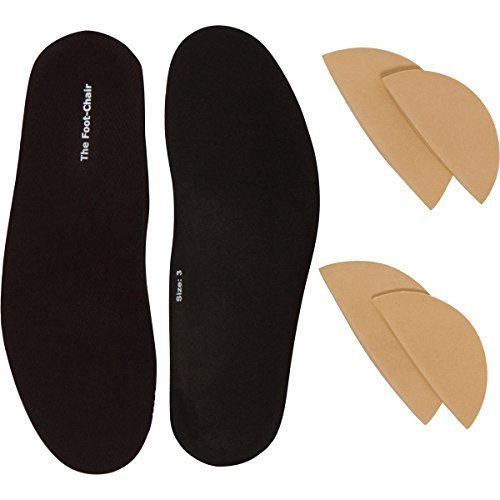
- Removable pads adjust arch height
- Supports heel, arch, and ball of foot
- Firm, flexible polypropylene construction
Best For: Personalizing arch height for plantar fasciitis and flat feet
Best for Long Workdays
Dr. Scholl's Advanced Pain Relief Insoles

- Heavy-duty support rated up to 340 pounds
- Triple-layer cushioning with energy return
- No trimming or break-in required
Best For: Standing and walking all day in boots, shoes, or sneakers
Heavy-Duty Pick
Dr. Scholl's Big & Tall Support

- Designed for men over 200 pounds and wide feet
- Targeted heel cushioning helps absorb shock
- Trim-to-fit design for boots and shoes
Best For: Larger users needing durable everyday support
Slim Adjustable Pick
FootChair Slim Dress Shoe Orthotics

- Removable pads adjust the arch height
- Low profile suits dress shoes and heels
- Designed to distribute weight across the foot
Best For: Customizable support in smaller, low-volume shoes
Best for Comfort
WalkFit Platinum Arch Supports

- Includes low, medium, and high arch inserts
- Gel heel cup adds cushioning and shock absorption
- Available in 11 sizes for many shoe types
Best For: Users wanting broad arch-height customization
Best Everyday Comfort
WalkHero Plantar Fasciitis Insoles

- Deep heel cup supports stability
- EVA cushioning absorbs impact
- Designed for wider, high-volume shoes
Best For: Everyday walking and wider footwear
Best for Heavy-Duty Support
VALSOLE 250+ lbs High Arch Insoles

- Designed for users over 220 pounds
- Rigid TPU support helps stabilize the foot
- Trim-to-fit design suits many shoes
Best For: Heavy-duty support and standing all day
Best for Work Boots
VALSOLE Heavy-Duty Orthotic Insoles
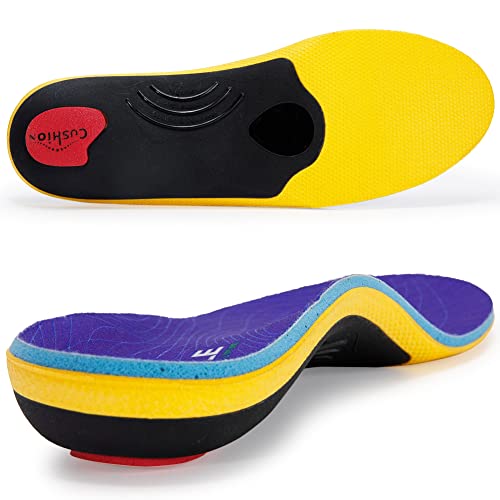
- Strong support for users over 220 pounds
- Deep heel cup and TPU arch support
- Trim-to-fit for boots and larger shoes
Best For: Work boots and prolonged standing
Most Customizable – TrioPodo Adjustable Arch Support Insoles
For shoppers comparing adjustable orthotic insoles, the TrioPodo stands out for its modular setup. It includes three swappable arch-support levels plus repositionable metatarsal pads, allowing you to test different configurations instead of replacing the entire insole.
Best For: People who want customizable support for low arches, overpronation, plantar fasciitis, or ball-of-foot discomfort in shoes with removable insoles.
Pros:
- Three arch modules provide medium, firm, and maximum support options.
- Two metatarsal pad shapes can be positioned, tested, or omitted.
- Reinforced stability shell, deep heel cup, and targeted heel cushioning support long days.
- Includes 12 size options, adhesive replacements, and compatibility with boots, sneakers, and walking shoes.
Cons:
- The DIY placement process requires testing and adjustment before final attachment.
- Firm structural support may feel less plush than a soft gel insole.
- Best suited to footwear with removable insoles and may require trimming.
This is a strong choice if adjustability matters more than plug-and-play simplicity. Its modular design lets you fine-tune both arch and forefoot support, while the firm construction is intended for stability rather than soft cushioning.
Maximum Stability – PowerStep Pinnacle Maxx Orthotics
The PowerStep Pinnacle Maxx is one of the more stability-focused adjustable orthotic insoles alternatives in this roundup. Its angled heel post, deep heel cradle, and firm-but-flexible construction are designed to help control inward rolling and support users with overpronation.
Best For: People seeking firm motion control for flat feet, overpronation, or plantar-fasciitis-related heel discomfort in shoes with removable factory insoles.
Pros:
- Angled heel post helps limit inward rolling and improve stability.
- Deep heel cradle supports heel positioning and motion control.
- Dual-layer cushioning balances firm support with comfort from heel to toe.
- Ready to wear without trimming and made in the USA.
Cons:
- The thick design requires shoes with removable factory insoles.
- It offers a medium arch rather than interchangeable support levels.
- Its firm construction may feel substantial in lower-volume footwear.
Choose the Pinnacle Maxx when stability and pronation control are higher priorities than adjustability. It is a straightforward, no-trim option, but shoe space is an important fit consideration.
Customizable Arch Height – FootChair Adjustable Arch Orthotics
FootChair Orthotics use removable pads to adjust arch height, making them a practical option for shoppers who find standard adjustable orthotic insoles either too low or too high. The full-length design also supports the heel, arch, and ball of the foot.
Best For: Users seeking podiatrist-created, adjustable arch support for plantar fasciitis, flat feet, ball-of-foot pain, or prolonged standing.
Pros:
- Removable pads allow the arch height to be customized.
- Contoured full-length footbeds support and cushion the heel, arch, and forefoot.
- Firm yet flexible polypropylene provides structure and shock absorption.
- Designed for walking, running, sports, work, and extended standing.
Cons:
- The higher-than-average arch may require a larger shoe.
- They are intended for shoes with removable insoles, and fit is not guaranteed in every shoe.
- Adjusting the pads may require testing to find a comfortable height.
FootChair is worth considering when arch height is the main fit challenge. Its adaptable pad system offers more personalization than a fixed insert, but the relatively high profile makes footwear compatibility especially important.
Best for Long Workdays – Dr. Scholl's Advanced Pain Relief Insoles
Dr. Scholl’s Advanced Pain Relief model is a convenient choice among adjustable orthotic insoles for people who prioritize broad cushioning and everyday support. It uses a heavy-duty design with triple-layer cushioning, moisture control, and a size-specific, no-trim fit.
Best For: Workers and active users who stand or walk for long periods and want support for plantar fasciitis, heel pain, arches, ankles, knees, hips, or the ball of the foot.
Pros:
- Heavy-duty support is rated for users weighing up to 340 pounds.
- Triple-layer cushioning absorbs impact and provides energy return.
- Moisture-wicking top cloth helps manage moisture and odor.
- No break-in, trimming, or measuring is required; fits many boots, shoes, and sneakers.
Cons:
- These are low-arch insoles rather than modular arch-height inserts.
- The listed size is specific, so shoppers must select the correct size range.
- Users wanting highly adjustable support may prefer a pad- or module-based design.
This model makes sense for shoppers who want an easy, supportive replacement for demanding daily wear. It emphasizes cushioning, shock absorption, and broad pain-point coverage rather than hands-on arch customization.
Heavy-Duty Pick – Dr. Scholl's Big & Tall Support
If you need adjustable orthotic insoles for larger frames or wide feet, this Dr. Scholl’s model focuses on durable support, targeted cushioning, and pressure distribution. Its medium-arch design is intended for men’s size 8–14 shoes, including work boots and everyday footwear.
Best For: Men over 200 pounds, taller users, and people with wide feet who want all-day support in work boots or shoes.
Pros:
- Designed specifically for men over 200 pounds, taller users, and wide feet.
- Heel cushioning surrounds the heel to help absorb shock and reduce pressure.
- Trim-to-fit design works with sneakers, work boots, and other shoes.
- Clinically proven and built for repeated daily use.
Cons:
- Only offers a medium arch rather than interchangeable arch heights.
- Its heavy-duty construction may be less suitable for slim or tight-fitting shoes.
This is a practical choice when durability and weight-bearing support matter more than a low-profile fit. Choose it if your footwear has enough room for a substantial foam insole and you prefer targeted heel cushioning.
Slim Adjustable Pick – FootChair Slim Dress Shoe Orthotics
These adjustable orthotic insoles stand out for their slim profile and removable arch pads, letting you fine-tune support for different comfort preferences. They are designed for smaller shoes, including dress shoes, flats, high heels, cycling shoes, and soccer cleats.
Best For: Wearers who need customizable arch height in low-volume footwear and want support for plantar fasciitis, flat feet, walking, or prolonged standing.
Pros:
- Removable pads allow the arch height to be adjusted from lower to higher support.
- Low-profile shape is designed for dress shoes, flats, and high heels.
- Firm yet flexible polypropylene helps distribute weight from heel to toe.
- Podiatrist-created design is also suited to cycling, soccer, walking, and cross-training.
Cons:
- May require a slightly larger shoe and a removable original insole.
- Fit is not guaranteed for every existing shoe.
- The listed size range covers women’s 9–10.5 and men’s 7–8.5.
FootChair Slim is a strong option when standard orthotics feel too tall or bulky. Its adjustable pads offer more personalization than fixed-arch inserts, but careful attention to shoe space and sizing is important.
Best for Comfort – WalkFit Platinum Arch Supports
WalkFit Platinum is a flexible option among adjustable orthotic insoles because it includes low-, medium-, and high-arch inserts, plus a reflexology insert. A gel-padded heel cup adds cushioning and shock absorption for walking, standing, work, sports, and everyday footwear.
Best For: Men and women who want multiple arch-height choices and broad shoe compatibility, including sneakers, dress shoes, boots, flats, and tennis shoes.
Pros:
- Includes low, medium, and high arch inserts for customized support.
- Gel padding in the Bio-Lock heel cup provides cushioning and shock absorption.
- Fits a wide range of footwear and is available in 11 sizes.
- Washable design and a 30-day money-back satisfaction guarantee add convenience.
Cons:
- Requires a gradual break-in schedule, beginning with one hour on the first day.
- The additional inserts may require experimentation before finding the most comfortable setup.
- Its supportive structure may not suit users seeking a minimal, barely-there insole.
This is the best match for shoppers who prioritize adjustability across several arch types and shoe styles. Plan to ease into wear and test the included inserts gradually rather than expecting immediate all-day use.
Best Everyday Comfort – WalkHero Plantar Fasciitis Insoles
For shoppers comparing adjustable orthotic insoles for daily walking, work, or exercise, the WalkHero offers moderate arch control, cushioning, and a deep heel cup. Its molded EVA construction is designed for wider, higher-volume footwear.
Best For: Everyday use in work boots, running shoes, basketball shoes, and casual footwear, especially for wide feet and users seeking support for flat feet, plantar fasciitis, or heel discomfort.
Pros:
- Deep heel cup helps stabilize foot positioning.
- EVA material provides shock absorption and cushioning.
- Supports alignment and is designed for several common foot concerns.
- Fabric is intended to help keep feet cool.
Cons:
- Designed for wider, high-volume shoes, so it may not suit snug footwear.
- Provides moderate rather than highly rigid control.
- The listed size fits men’s 10–10.5 or women’s 12–12.5 only.
The WalkHero is a practical choice when everyday cushioning and moderate arch support matter more than heavy-duty rigidity. Check your shoe volume and size carefully before buying.
Best for Heavy-Duty Support – VALSOLE 250+ lbs High Arch Insoles
These adjustable orthotic insoles are built for users over 220 pounds who need stronger arch support for standing, walking, or working. The full-length design can be trimmed for a better fit and combines a rigid TPU support piece with cushioned heel and forefoot areas.
Best For: Heavy-duty support, prolonged standing, work shoes, boots, walking shoes, and users managing foot fatigue, flat feet, overpronation, or plantar fasciitis-related discomfort.
Pros:
- Designed specifically for users weighing over 220 pounds.
- Rigid TPU support, heel cup, and control points help stabilize the foot.
- Poron heel pads and forefoot metatarsal pads provide cushioning.
- Can be trimmed to fit many shoes and boots.
Cons:
- May feel pressurized during the first 3–7 days of wear.
- Requires a gradual break-in schedule starting at 2–3 hours daily.
- The listed size fits men’s 10–10.5 or women’s 12–12.5.
Choose this VALSOLE model when weight support, stability, and all-day cushioning are priorities. Its stronger construction may require a careful break-in period, but the trim-to-fit design adds versatility.
Best for Work Boots – VALSOLE Heavy-Duty Orthotic Insoles
For shoppers seeking adjustable orthotic insoles for work boots and daily standing, this VALSOLE model combines strong high-arch support with shock absorption. Its trim-to-fit construction is intended for boots, athletic shoes, hiking shoes, and other higher-volume footwear.
Best For: Users over 220 pounds who need rigid arch support and cushioning for work boots, standing, walking, or sports shoes.
Pros:
- Heavy-duty design is intended for users over 220 pounds.
- Hard TPU arch support and a deep heel cup promote stability.
- Poron heel padding helps absorb shock during standing and walking.
- Can be tailored to fit multiple shoe styles.
Cons:
- High-arch support may feel firm for users accustomed to softer insoles.
- Primarily suited to high-volume shoes, boots, and similar footwear.
- The listed size fits men’s 11–11.5 or women’s 13–13.5.
This VALSOLE insert is a strong match for demanding workday footwear and users who want firm correction with cushioning. Confirm the size and available shoe space before trimming or wearing it.
How We Picked the Best Adjustable Orthotic Insoles
We focused on products with a clear orthopedic purpose and compared their support design, adjustability, cushioning, sizing, and intended user. The selection includes customizable arch systems, firm stability models, heavy-duty inserts, plantar fasciitis-focused designs, and slimmer options for dress shoes.
Because foot shape, shoe construction, and pain triggers vary, no single insole is ideal for everyone. Product descriptions and fit specifications were weighed alongside practical factors such as trim-to-fit construction, weight ratings, heel stability, and whether an insert is better suited to everyday walking or more demanding use.
Quick Comparison
| Best For | Look For |
|---|---|
| Custom arch height | Removable or interchangeable arch pads |
| Maximum stability | Firm support, a structured heel cup, and an angled or reinforced heel |
| Plantar fasciitis relief | Arch support combined with heel cushioning and pressure distribution |
| Heavy-duty use | High weight capacity, durable materials, and shock absorption |
| Dress shoes | A slim profile that preserves usable toe room |
| General walking comfort | Balanced support, cushioning, and a secure fit |
Key Buying Factors for Adjustable Orthotic Insoles
Adjustability and Arch Shape
Adjustable arch support is useful when you are unsure how much correction you need or when your left and right feet differ. Start with the lowest comfortable setting and increase support gradually. A pad that feels aggressively high, causes numbness, or creates new pressure points is not necessarily providing better correction.
Stability Versus Cushioning
Firm orthotics can help limit excessive rolling and support flat feet or overpronation, while softer cushioning may feel better for standing and walking on hard surfaces. Look for a stable heel cup and enough cushioning to reduce impact without allowing the foot to sink excessively.
Fit, Sizing, and Shoe Compatibility
Check the manufacturer’s size range and whether the insert replaces the shoe’s original footbed. Trim only along the marked outline, and confirm that the shoe has enough internal volume. A supportive insole that crowds the toes or lifts the heel out of the shoe can worsen comfort and reduce stability.
Weight Capacity and Durability
If you need support for a larger body size, demanding work, or frequent walking, prioritize models with an explicit weight rating and reinforced construction. Heavy-duty designs may be thicker and firmer, so verify that your footwear can accommodate them.
Break-In and Professional Guidance
Wear new orthotics for short periods at first and increase use as your feet adapt. Persistent pain, swelling, numbness, or worsening symptoms warrants advice from a podiatrist or other qualified clinician rather than continued experimentation.
Who Should Buy Which Adjustable Orthotic Insoles?
Choose an adjustable-pad design if you want to experiment with arch height or need a more personalized fit. A maximum-stability model is better for pronounced overpronation, flat feet, or users who prefer firm control. Plantar fasciitis-focused inserts suit shoppers prioritizing heel cushioning and arch support, while heavy-duty models are appropriate for higher weight ratings or physically demanding routines.
For work boots and roomy walking shoes, thicker structured orthotics can provide stronger support. For loafers, casual dress shoes, or other low-volume footwear, choose a slim design and confirm compatibility before ordering. If your needs are mainly everyday comfort, select a balanced model rather than the firmest option available.