If you’re looking for a bedside assistance alarm, the goal is simple: get a reliable alert fast without adding stress for the person in care. The right system can help reduce falls, improve response time, and make home caregiving more manageable.
Below, we focus on practical differences that matter most—alert style, sensing method, range, ease of use, and whether the alarm is better for bedside exit monitoring, mobility support, or general caregiver paging.
Best 10 Bedside Assistance Alarm Picks for 2026
Floor-Triggered Bedside Watch
Wireless Motion Sensor Alert for Caregivers
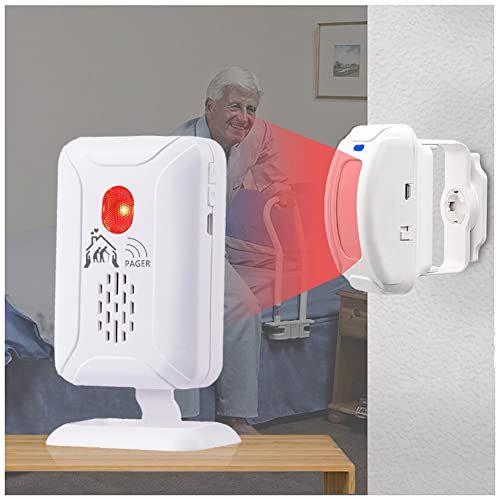
- Wireless sensor fits under bed or by a door
- Caregiver receiver works up to 918 ft in open area
- Does not alarm in the patient’s room
Best For: Families needing flexible bed-exit or doorway monitoring
Clip-On Safety Sentinel
Magnet Bed and Wheelchair Alarm

- Easy clip-and-magnet stand-up detection
- Works with beds, chairs, and wheelchairs
- Two volume settings: 105 dB and 90 dB
Best For: Basic monitoring in assisted living or home care
Button-Pressed Check-In
Wireless Caregiver Pager with Plug-In Receiver

- Push-button help request system
- 500+ ft open-area working range
- 55 tones and volume up to 110 dB
Best For: People who need a simple way to call a caregiver
Wide-Pad Exit Watch
Large Wireless Bed Alarm with Pager

- Large 20 x 30-inch pressure pad
- Wireless pager works up to 400 ft away
- Includes vibration-only mode and anti-slip stickers
Best For: Restless sleepers and dementia care that need wider pad coverage
Wireless SOS Pager for Quick Help

- One-button SOS alert for fast help
- 58 ringtones and 5 volume levels
- Wireless range up to 1,500 feet
Best For: Seniors or patients who need a simple bedside call system
Pressure Pad Bed Monitor

- Triggers when pressure is removed from the pad
- 10" x 30" sealed vinyl sensor pad
- Two volume levels with status lights
Best For: Traditional bed-exit monitoring with a simple pad sensor
Motion Sensor Caregiver Pager

- Non-contact infrared motion detection
- Sensor ID display shows alert location
- 1000-foot range with no monthly fee
Best For: Non-contact monitoring for falls and room exits
Quiet Early-Alert Monitoring
Lunderg PreRise Wireless Bed Alarm

- Sends alerts to a carry pager, not an in-room alarm
- Hip-level pad aims to alert before bed exit
- No Wi-Fi, app, or tools required for setup
Best For: Dementia care and fall prevention without disturbing the person in bed
Expandable Bed Exit Alert
Smart Caregiver Wireless Bed Exit Alarm

- Wireless pager offers sound or vibrate alerts
- Weight-sensing pad alerts when pressure is removed
- Pager can expand to six compatible sensors
Best For: Caregivers who want a straightforward bed exit alarm with expansion options
Two-Zone Fall Prevention
Lunderg Wireless Bed and Chair Alarm Set

- Combines bed and chair monitoring in one system
- Alerts go wirelessly to a single pager
- Pads are long-lasting and easy to clean
Best For: Families needing one discreet system for both bed and chair monitoring
Floor-Triggered Bedside Watch – Wireless Motion Sensor Alert for Caregivers
If you want a bedside assistance alarm that alerts you when someone is getting up, this wireless motion-sensor option is built for practical monitoring. The sensor can be placed on the floor under the bed to detect a foot touching down, or set near a door to watch for room exits, while the receiver stays with the caregiver rather than sounding in the patient’s room.
Best For: Caregivers who want an out-of-room alert for bed exits or doorway monitoring.
Pros:
- Wireless sensor can sit under the bed or by a door for flexible placement
- Alerts transmit to a caregiver receiver within up to 918 ft in open area
- Bedside alert does not sound in the patient’s room
- Includes dual reminders with LED light and sound, plus battery or Micro USB power options
Cons:
- The sensor needs a short self-test period after power-on before normal use
- You should test sensing range and direction before fixing it in place
This is a straightforward bedside assistance alarm for families that want a wireless, caregiver-focused alert system rather than an in-room alarm. The floor-based motion approach may help reduce false alarms from pad displacement or incontinence concerns.
Clip-On Safety Sentinel – Magnet Bed and Wheelchair Alarm
This bedside assistance alarm uses a simple magnetic clip system to help monitor when a patient stands. The clip attaches to clothing and the spring-loaded unit fastens to a wheelchair or other surface, so the alarm triggers as soon as the cord and magnet separate. It’s a compact, no-frills option for assisted living or home care where ease of use matters.
Best For: Care settings that need a basic clip-on alarm for beds, chairs, or wheelchairs.
Pros:
- Simple magnet-and-clip design is easy to operate
- Works with beds, chairs, and wheelchairs
- Adjustable cord reaches up to 30 inches
- High and low volume settings at 105 dB and 90 dB
Cons:
- Short 30-inch maximum range limits placement flexibility
- Uses a 9V battery, which adds another item to replace
For buyers who want a simple bedside assistance alarm without extra setup, this model keeps the core function focused on stand-up detection. Its drop-tested construction and secure battery door also make it a durable choice for busy care environments.
Button-Pressed Check-In – Wireless Caregiver Pager with Plug-In Receiver
For families looking for a bedside assistance alarm that lets the user call for help directly, this wireless caregiver pager is a practical option. The waterproof call button can be worn or mounted, and the plug-in receiver offers a strong audible alert with multiple tone choices and adjustable volume. It’s a good fit when the goal is fast communication rather than motion detection.
Best For: Seniors or patients who need a simple push-button way to summon help.
Pros:
- Wireless call button and plug-in receiver are easy to use
- 500+ ft open-area range gives caregivers flexibility around the home
- 55 ringing tones and 5 volume levels up to 110 dB
- Waterproof and dustproof on both the button and receiver
Cons:
- Not a bed-exit sensor, so it won’t detect movement automatically
- The receiver must stay plugged into an outlet
This bedside assistance alarm works best when the priority is giving the user a reliable way to request help on demand. The strong range and high volume make it especially useful in larger homes or shared spaces.
Wide-Pad Exit Watch – Large Wireless Bed Alarm with Pager
This bedside assistance alarm is designed for caregivers who want a larger sensing surface and a wireless alert they can carry. The 20 x 30-inch pressure pad sends an alert to a handheld pager as soon as the person stands up, and the system does not rely on Wi-Fi or an app. It’s a practical pick for bed-exit monitoring, especially when extra pad coverage matters.
Best For: Caregivers monitoring restless sleepers or dementia patients who need a larger pressure pad.
Pros:
- Large 20 x 30-inch pad offers extra coverage
- Wireless pager alerts up to 400 ft away
- Adjustable volume plus vibration-only mode on the pager
- Includes anti-slip stickers and incontinence-resistant surface
Cons:
- Alerts only after the person stands up, not before leaving the bed
- Pressure-pad systems still need correct placement to avoid false alarms
For a dependable bedside assistance alarm with a larger pad, this Lunderg system leans into simplicity and coverage. The wireless pager format keeps the alert with the caregiver, while the included accessories help the pad stay put and clean up easily.
Wireless SOS Pager for Quick Help – One-Button Caregiver Call Set
If you want a bedside assistance alarm that makes it easy to call for help fast, this wireless pager set keeps the process simple: press the SOS button and the receiver alerts the caregiver right away. With a long range, adjustable volume, and multiple ringtones, it works well for home care, patient rooms, and other day-to-day support situations.
Best For: Seniors, patients, and caregivers who need a straightforward one-button call system with flexible alert settings.
Pros:
- One-button SOS call button for immediate assistance
- Receiver offers 58 ringtones and 5 volume levels up to 120 dB
- Wireless range reaches up to 1,500 feet
- IP55 water- and dust-resistant design for varied environments
Cons:
- Includes only 1 receiver and 1 call button
- Battery-powered setup requires ongoing battery management
Overall, this is a practical bedside assistance alarm if you want a low-complexity alert system with strong volume options and a very generous range. It is especially useful when quick, simple communication matters more than advanced monitoring features.
Pressure Pad Bed Monitor – Classic Fall-Alert Alarm
This bedside assistance alarm uses a weight-sensing pad to sound when pressure is removed, making it a solid option for monitoring when someone gets out of bed. The setup is designed for discreet placement under the sheet, with a corded monitor that can be mounted nearby and includes clear status indicators for everyday caregiving use.
Best For: Caregivers looking for a traditional bed-exit alarm with a sensor pad and simple in-room alerting.
Pros:
- Alerts when pressure is removed from the bed pad
- 10″ x 30″ vinyl sensor pad is sealed for incontinence protection
- Two volume levels plus a reset button for quick silencing
- Low battery and sensor status lights help confirm operation
Cons:
- Uses a corded pad-and-monitor setup rather than a fully wireless system
- Wireless caregiver alerting requires a separate add-on kit
As a bedside assistance alarm, this model focuses on dependable bed-exit detection with a familiar pressure-pad design. It is a good fit if you want a straightforward alarm that can stay discreet under the bedding and be monitored locally.
Motion Sensor Caregiver Pager – Room-Exit Alert System
For a bedside assistance alarm that avoids bed-pad contact, this motion sensor pager set detects movement instead of pressure changes. The receiver shows the sensor ID on screen, which helps identify where the alert came from quickly, and the system offers multiple alert modes, privacy-focused local alerts, and a wide wireless range for home coverage.
Best For: Families who want non-contact motion alerts for fall risk, room exits, and broader home monitoring.
Pros:
- Infrared motion sensing helps reduce false alarms from bed movement
- Sensor ID display shows which sensor triggered the alert
- Offers 38 chimes, vibration, LED flash, and 4 volume levels
- 1000-foot range with no monthly fee or cloud storage
Cons:
- Motion sensors must be positioned carefully to reduce pet triggers
- Not a direct bed pad, so it monitors movement rather than pressure on the mattress
This is a strong choice if you want a bedside assistance alarm that supports room-exit and fall-alert monitoring without a pressure pad. Its non-contact design and sensor identification make it especially practical for larger homes or caregivers who need faster situational awareness.
Quiet Early-Alert Monitoring – Lunderg PreRise Wireless Bed Alarm
If you want a bedside assistance alarm that alerts you before your loved one is out of bed, this Lunderg system is built around quiet caregiver notification instead of an in-room blast. The wireless setup sends alerts to a pager you carry, with no Wi-Fi, app, or tools required.
Best For: Caregivers who want an early-alert bed alarm for dementia or fall prevention without disturbing the person in bed.
Pros:
- Wireless pager alerts you instead of sounding a loud bedside alarm
- Patented PreRise sensor is positioned at hip level to alert before the user exits the bed
- 10 x 33-inch pressure pad is long-lasting, wipe-clean, and incontinence-resistant
- Pager includes adjustable volume, vibration-only mode, wall mount clip, and up to 400 ft. range
Cons:
- Single-bed system, so it may not cover chair or doorway monitoring
- Requires AA batteries rather than rechargeable power
This is a practical choice if you value dignity-preserving monitoring and want a simple bedside assistance alarm with straightforward setup. The included batteries and 24/7 support make it easier to get started quickly.
Expandable Bed Exit Alert – Smart Caregiver Wireless Bed Exit Alarm
This bedside assistance alarm is designed to notify caregivers when pressure is removed from the bed pad and the person has gotten up. The wireless pager keeps alerts portable, and the system is meant to fit into day-and-night caregiving without adding a loud alarm in the room.
Best For: Caregivers who want a simple wireless bed exit alarm with pager alerts and room to expand into a multi-sensor setup.
Pros:
- Soft 10″ x 30″ weight-sensing pad alerts when the person leaves the bed
- Pager offers both sound and vibrate alert modes
- Expandable to support up to six Smart Caregiver sensors
- Extra-large contact sensor is engineered to reduce false alarms
Cons:
- Not positioned as an early-alert system before the user starts rising
- Works best as part of the Smart Caregiver sensor family
If you want a dependable bed exit alarm with flexible alert modes, this model keeps the focus on practical monitoring and caregiver convenience. Its expandable pager makes sense for homes that may later add chair or doorway coverage.
Two-Zone Fall Prevention – Lunderg Wireless Bed and Chair Alarm Set
For buyers comparing a bedside assistance alarm with broader home coverage, this Lunderg set combines bed and chair monitoring in one wireless system. Alerts go to the same pager you carry, so you can monitor both rising from bed and standing from a chair without adding a loud alarm near your loved one.
Best For: Families who want one wireless system to cover both bed and chair fall-prevention monitoring.
Pros:
- Includes both a bed sensor pad and a chair sensor pad
- Both pads send alerts to the same handheld pager
- Pager has adjustable volume, vibration-only mode, and up to 400 ft. range
- Long-lasting pads are wipe-clean and incontinence-resistant
Cons:
- More than needed if you only want a single bed alarm
- Set is focused on bed and chair monitoring, not doorways
This set is a strong fit when you want a practical, low-fuss monitoring solution that covers two common fall-risk areas. It keeps the caregiver alerting wireless and discreet while reducing the need for separate systems.
How We Picked These Bedside Assistance Alarm Options
We focused on systems that serve real caregiving needs: early fall prevention, dependable alert delivery, and straightforward setup. Priority went to products with clear sensing methods, useful range for home use, and features that help caregivers respond quickly without creating unnecessary noise or confusion.
We also looked for variety. A good Bedside Assistance Alarm may use a motion sensor, weight-sensitive pad, or wireless call button, and each approach fits a different care situation.
Quick Comparison
Motion-sensor systems are often best for detecting movement before a person fully stands. Weight-sensing pad alarms are better when you want bed-exit detection from direct contact with the mattress. Wireless call-button systems are different: they are ideal when the care recipient can request help intentionally rather than being monitored for movement.
That means the best choice depends less on brand names and more on how the person moves, how alert they are, and how quickly a caregiver needs to be notified.
Key Buying Factors for a Bedside Assistance Alarm
Alert Type
Decide whether you want an audible in-room alarm, a caregiver pager, or both. For dementia care or light sleepers, a quieter pager-based Bedside Assistance Alarm may be more practical than a loud alarm near the bed.
Sensing Method
Motion sensors can provide earlier notice when someone starts to get up. Bed pads can be more direct for exit detection. Call buttons are best when the user can press for help reliably.
Range and Signal Reliability
In larger homes, range matters. Look for systems with enough wireless coverage to reach the caregiver wherever they spend time, not just the next room.
Ease of Use
Simple setup, clear indicator lights, adjustable volume, and easy mounting make daily use easier for families and staff.
Comfort and Placement
Choose a system that fits the bed, chair, or room layout without becoming a trip hazard or creating discomfort for the user.
Who Should Buy Which Bedside Assistance Alarm?
If you need early warning before a person stands, choose a motion-based or early-alert Bedside Assistance Alarm. If your main concern is bed exits at night, a weight-sensing pad system is usually a stronger fit. If the person is able to press a button for help, a wireless caregiver pager or call system may be the simplest solution.
For dementia care, nighttime fall prevention, and home caregiving, the best option is usually the one that matches the user’s behavior and the caregiver’s response distance. When in doubt, favor reliability and clarity over extra features.