Finding the right diabetic foot orthotics can make everyday walking more comfortable by reducing pressure, friction, and irritation inside your shoes.
Below, we’ve rounded up 10 options chosen for cushioning, fit, support, and comfort so you can narrow down the best pick for your feet and footwear.
Best 10 Diabetic Foot Orthotics Picks for 2026
Gentle Everyday Comfort
Airplus Diabetic Insoles for Sensitive Feet
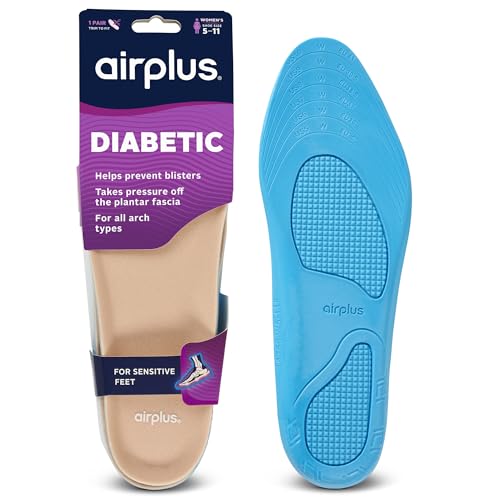
- Plastazote top cover helps reduce friction.
- Foam cushioning adds pressure relief.
- Slim trim-to-fit design fits many shoes.
Best For: Women needing a slim, cushioned insole for sensitive feet
Neuropathy Pressure Relief
Dr. Scholl’s Pressure Relief Insoles

- Clinically proven to reduce nerve pain episodes.
- Helps reduce pressure and hotspots.
- Open-cell foam aims to support warmth and circulation.
Best For: Women seeking targeted diabetic neuropathy relief
Trim-to-Fit Cushioning

- Plastazote top cover helps reduce friction.
- Memory foam adds heel-to-toe cushioning.
- Heel and forefoot padding boost impact suppression.
Best For: Men wanting cushioned, customizable diabetic insoles
Orthotic Weight Distribution
FootMatters Plastazote Comfort Insoles

- Self-molding plastazote foam absorbs shock.
- Helps evenly distribute weight and reduce friction.
- Supports heel, arch, and metatarsal areas.
Best For: Users wanting orthotic support for diabetic or sore feet
Therapeutic 3-Layer Support
SoleAid Thera 3 Diabetic Insoles

- Tri-layer shock-absorbing design
- Thermo-moldable for a better fit
- Made for sensitive feet and daily wear
Best For: Lightweight pressure relief and adaptable support
Dual-Layer Comfort & Heel Cradle

- Dual-layer cushioning with memory foam
- Arch support and heel cradle design
- Fits many shoe types, trim to size
Best For: All-day cushioning with arch support and heel comfort
Thera2K Dual-Layer Support
SoleAid Thera2K Diabetic Insoles

- Dual-layer EVA construction with soft anti-friction top
- Full-length support with cushioned heel cup
- Thermo-moldable and made in the USA
Best For: Lightweight daily diabetic foot comfort with molded cushioning
Cloud-Comfort Foam

- Memory foam top layer reduces friction and pressure points
- Airflow channels support breathability and dryness
- Multi-layer shock absorption for long wear
Best For: All-day standing and walking comfort for sensitive feet
Molded Arch Cushioning

- Two-layer EVA design with cushioning and shape retention
- Offers arch support plus plantar fasciitis cushioning
- Heat-moldable or self-molded through wear
Best For: Daily wear with a more structured diabetic insole feel
Gentle Everyday Comfort – Airplus Diabetic Insoles for Sensitive Feet
These diabetic foot orthotics are built for sensitive feet that need cushioning without feeling bulky. The slim trim-to-fit design makes them easier to use in casual, athletic, and dress shoes, while the Plastazote top cover helps reduce friction and the foam cushioning helps take pressure off the plantar fascia.
Best For: Women who want a slim, comfortable insole for everyday shoes with gentle arch support.
Pros:
- Plastazote top cover helps reduce friction and irritation.
- Foam cushioning adds comfort and shock absorption for everyday wear.
- Gentle arch support helps maintain proper foot alignment.
- Trim-to-fit profile is designed to avoid crowding shoes.
Cons:
- Only offered in women’s sizing 5-11.
- Soft arch support may be too mild for those wanting firmer correction.
Overall, this is a practical option if you want a low-profile diabetic insole that focuses on comfort, reduced friction, and easy fit across different shoe types.
Neuropathy Pressure Relief – Dr. Scholl’s Pressure Relief Insoles
If you’re shopping for diabetic foot orthotics to help with nerve discomfort, this pair is aimed directly at pressure relief and neuropathy support. It’s described as clinically proven to reduce episodes of nerve pain, and the open-cell cushioning foam is designed to retain warmth while helping with circulation support and hotspot reduction.
Best For: Women who need targeted relief for diabetic neuropathy symptoms like burning, tingling, and throbbing.
Pros:
- Clinically proven to reduce episodes of nerve pain from diabetic neuropathy.
- Designed to reduce foot pressure and ease hotspots.
- Open-cell cushioning foam helps retain warmth and support circulation.
- Co-created with podiatrist expertise for pressure relief focus.
Cons:
- Women’s sizing is limited to 6-10.
- Described as a comfort insole, so it may not suit those wanting stronger arch correction.
For buyers whose main priority is neuropathy symptom relief, this is the most targeted option in the group and stands out for its pressure-focused design.
Trim-to-Fit Cushioning – Spenco Diabetic Insole
This diabetic foot orthotics option is aimed at cushioning, reduced friction, and all-day comfort for feet affected by diabetes and neuropathy. The Plastazote top cover is meant to help eliminate pressure points, while the memory structured foam and added heel and forefoot padding focus on impact suppression where it matters most.
Best For: Men who want a cushioned, friction-reducing insole with easy trim-to-fit customization.
Pros:
- Plastazote top cover helps reduce friction and prevent painful blisters.
- Memory structured foam provides heel-to-toe cushioning.
- Heel and forefoot padding add impact suppression in key zones.
- Trim-to-fit design makes sizing easier to customize.
Cons:
- Neutral arch type may not offer much support for those needing correction.
- Men’s sizing is limited to 7-13.
This is a strong pick for comfort-first users who want padding and friction control more than aggressive arch support.
Orthotic Weight Distribution – FootMatters Plastazote Comfort Insoles
FootMatters Plastazote Orthotic Comfort Insoles - US Women 9-11.5 / Men 8-10.5
Check Price On AmazonFor shoppers comparing diabetic foot orthotics that balance cushioning with structural support, this model emphasizes self-molding comfort and weight distribution. The medical-grade plastazote foam top cover is designed to absorb shock, reduce friction, and conform to your foot, while the heel, arch, and metatarsal support aim to keep pressure more evenly spread.
Best For: Users who want orthotic-style support with self-molding foam for diabetic, sore, or swollen feet.
Pros:
- Medical-grade plastazote foam self-molds to the foot.
- Helps absorb shock, reduce friction, and distribute weight evenly.
- Supports the heel, arch, and metatarsal for balanced comfort.
- Includes arch and ball-of-foot support for biomechanical alignment.
Cons:
- Only one size range is listed, which may limit fit options.
- Low arch support may not suit everyone.
Compared with the more comfort-focused picks, this one leans more toward orthotic alignment and pressure distribution for users who want a firmer support profile.
Therapeutic 3-Layer Support – SoleAid Thera 3 Diabetic Insoles
If you want diabetic foot orthotics that prioritize pressure relief and softer underfoot feel, the SoleAid Thera 3 is built around a tri-layer, shock-absorbing design. It’s made to help distribute weight more evenly across the footbed, reduce friction, and support sensitive feet during everyday wear.
Best For: People needing a lightweight, moldable insole for sensitive feet, pain relief, and broader pressure distribution.
Pros:
- Tri-layer construction is designed to absorb shock and reduce foot fatigue.
- Thermo-moldable through heating or daily wear for a more custom fit.
- Made for sensitive feet and sold as a therapeutic diabetic insole.
- Fits most shoe styles, with trim-to-fit adjustment if needed.
Cons:
- May require trimming for some shoes.
- Size range is limited to the listed men’s/women’s fit.
Overall, this is a practical option if you want a soft, lightweight insole with built-in shock absorption and a more accommodative feel. The combination of moldability and full-length support makes it a strong everyday pick for sensitive feet.
Gentle Cushioning & Alignment – Spenco Medics Diabetics Plus
For diabetic foot orthotics focused on soft protection and low-irritation comfort, the Spenco Medics Diabetics Plus emphasizes pressure reduction, cushioning, and gentle support. Its soft top cover, heel pad, and forefoot crash pad are designed to make walking feel less harsh for sensitive feet.
Best For: Wearers who want cushioned, APMA-accepted arch support with a softer feel and minimal trimming.
Pros:
- Plastazote top cover helps minimize rubbing and hot spots.
- Polysorb foam, heel pad, and forefoot crash pad add multi-zone cushioning.
- Extra-deep heel cup and metatarsal arch support help with stability and alignment.
- APMA Seal of Acceptance and sized-to-fit design require minimal trimming.
Cons:
- Only available in one listed size range.
- Soft support may not satisfy users wanting a firmer orthotic feel.
This is a strong choice if your priority is reducing friction and getting a gentler in-shoe experience. It blends cushioning and mild structure in a way that suits many daily-wear needs without feeling overly rigid.
Dual-Layer Comfort & Heel Cradle – Dr. Foot's Orthotics Insoles
If you’re comparing diabetic foot orthotics for pain relief and everyday comfort, Dr. Foot’s insoles take a more cushioned, performance-oriented approach. They use dual-layer cushioning, a heel cradle, and arch support to help distribute pressure and soften each step in a range of shoe types.
Best For: People wanting full-length, trim-to-fit insoles with arch support and extra cushioning for foot and heel pain.
Pros:
- Full-length design supports the arch and helps minimize pressure.
- Dual-layer cushioning and memory foam add comfort underfoot.
- Heel cradle design is intended to cushion each step.
- Works with many shoe types, including sneakers, boots, and work shoes.
Cons:
- Requires cutting to size for the best fit.
- Product notes point to a short adaptation period for some users.
As an everyday insole, this model offers a balance of support and softness that can work well across casual and work footwear. It’s a sensible pick if you need general foot comfort with a bit more structure than a basic cushion insert.
Thera2K Dual-Layer Support – SoleAid Thera2K Diabetic Insoles
If you want diabetic foot orthotics with a soft top feel and a sturdier support base, the SoleAid Thera2K is built for sensitive feet that need pressure reduction and everyday cushioning. Its dual-layer EVA construction is designed to help reduce friction, distribute weight more evenly, and ease foot fatigue during daily wear.
Best For: People who want a lightweight diabetic insole with anti-friction cushioning and molded support for regular shoe wear.
Pros:
- Two-layer EVA design pairs a soft anti-friction top with a shock-absorbing bottom.
- Full-length support and cushioned heel cup help distribute pressure across the footbed.
- Thermo-heating or daily wear can help the insole mold more closely to your feet.
- Made in the USA and listed as SADMERC approved HCPC A5512.
Cons:
- Trim-to-fit adjustment may be needed for some shoe styles.
- Size range is limited to a specific men’s/women’s fit.
- Low arch support may not suit every foot shape.
Overall, this is a practical pick if you want a lightweight diabetic insole focused on comfort, friction control, and balanced support rather than a rigid orthotic feel.
Cloud-Comfort Foam – U1uckyfeet Diabetic Insoles
These diabetic foot orthotics are aimed at all-day wear, with a high-elastic foam build that focuses on cushioning, friction reduction, and pressure relief. The breathable design and multi-layer shock absorption make them a sensible option for people who are on their feet for long periods and want a softer feel inside their shoes.
Best For: Men and women who want breathable, cushioned diabetic insoles for long hours of standing, walking, or work.
Pros:
- Memory foam top layer helps reduce friction and pressure points.
- Built-in airflow channels promote circulation and help feet stay dry.
- Multi-layer shock absorption is designed to reduce fatigue and impact.
- Easy to wipe clean for simple daily maintenance.
Cons:
- Low arch design may not provide enough structure for higher-arched feet.
- Best fit depends on selecting the correct size.
- Soft-foam focus may be less firm than some users prefer.
For shoppers prioritizing softness, breathability, and pressure relief, this model offers a straightforward comfort-first approach to diabetic foot support.
Molded Arch Cushioning – Inocep Diabetic Insoles
If you need diabetic foot orthotics with a little more structure, the Inocep insole combines cushioning with arch support in a ready-to-wear EVA design. The two-layer build is intended to give soft top-layer comfort while the bottom layer helps hold shape for daily use.
Best For: Shoppers who want a heat-moldable diabetic insole with arch support and a more structured feel.
Pros:
- Two-layer EVA construction balances cloud-like cushioning with shape retention.
- Provides arch support along with cushioning for plantar fasciitis support.
- Can be self-molded by wearing or heat-molded in an oven.
- Easy to clean with a damp cloth and reusable for daily wear.
Cons:
- Arch support may feel too mild for users who want a firmer orthotic.
- Requires careful heat-molding if you choose that method.
- Specific size range may limit fit options.
As a diabetic insole, this one stands out for combining comfort and arch support without getting overly rigid, making it a good middle-ground choice for everyday shoe use.
How We Picked These Diabetic Foot Orthotics
We focused on Diabetic Foot Orthotics that prioritize soft cushioning, low-friction materials, trim-to-fit versatility, and day-long wearability. We also looked for options that suit different needs, from slim profiles for tighter shoes to fuller-length insoles with added arch support.
Quick Comparison
When comparing the list, think about three things: how much cushioning you want, whether you need a slim or full-length profile, and how much support your shoes can comfortably accommodate. Some inserts are best for sensitive feet and pressure relief, while others are better if you want more structure or arch support.
Key Buying Factors for Diabetic Foot Orthotics
Cushioning and Shock Absorption
Look for materials that soften impact and spread pressure across the foot. For people with sensitive feet, this can help reduce rubbing and make standing or walking feel easier.
Friction Control and Skin Sensitivity
Diabetic Foot Orthotics should help minimize hot spots and irritation. Smooth top covers, anti-friction layers, and moisture-managing materials can be especially useful if your feet are prone to discomfort.
Fit, Thickness, and Trim-To-Fit Design
Insoles that are too thick can crowd the shoe and create new pressure points. Trim-to-fit styles are a smart choice if you need a more customized fit across sneakers, walking shoes, or casual footwear.
Support Level
Some buyers want mostly soft cushioning, while others need a bit more arch support or foot shaping. Choose the lowest profile that still gives you enough comfort and stability for your daily routine.
Who Should Buy Which Diabetic Foot Orthotics?
If your priority is gentle comfort and reduced rubbing, choose softer, low-profile Diabetic Foot Orthotics with plush top layers. If you spend long hours on your feet, a shock-absorbing full-length option may feel better over time. If you need more structure, consider models with added arch support, but avoid overly rigid inserts if your feet are highly sensitive.
For the best results, match the insole to your shoe type and comfort goals rather than choosing the thickest or most supportive option by default. A good fit usually matters more than extra material.