A good hand therapy peg board can make fine motor practice more structured, measurable, and easier to stick with. Whether you are recovering from injury, rebuilding grip strength, or supporting occupational therapy goals, the right board should match your hand size, rehab stage, and training needs.
In this roundup, we focus on practical options that balance durability, peg fit, hole count, and ease of use so you can choose a tool that feels helpful from day one.
Best 10 Hand Therapy Peg Board Picks for 2026
Wooden Precision Trainer

- Beech wood build with polished, burr-free surface
- 18 metal screw pegs in three sizes
- Compact board with lid and peg storage slots
Best For: Kids and adults needing a simple portable dexterity trainer
Grip Strength Focus

- Solid beech wood with rounded edges
- 18-hole layout with three peg sizes
- Useful for rehab, training, and stress relief
Best For: People wanting a sturdy all-purpose hand exercise board
Adult Rehab Upgrade
Professional Wooden Finger Pegboard

- High-density solid wood build
- Ergonomic pegs sized for adult hands
- Designed for stroke and hand-injury rehab
Best For: Adults recovering from stroke or hand injuries
Color Cue Dexterity Kit

- 20 holes and 20 easy-grip pegs
- Red/green ends add visual sequencing cues
- Solid wood board with smooth, stable openings
Best For: Users who want color-coded dexterity and coordination drills
Clinical 9-Hole Test Kit
9-Hole Pegboard for Occupational Therapy

- Nine-Hole Peg Test standard
- Natural pine wood board and pegs
- Built-in storage for all 9 pegs
Best For: Stroke rehab, Parkinson’s care, OT screenings, and standardized dexterity testing
Portable 20-Slot Trainer
Wooden Pegboard for Finger Dexterity

- 20 slots with 20 color-coded sticks
- Lightweight and easy to carry
- Smooth wooden surface for comfortable use
Best For: Home or rehab-center practice focused on finger flexibility and coordination
Multi-Accessory Rehab Board
36-Hole Hand Therapy Peg Board
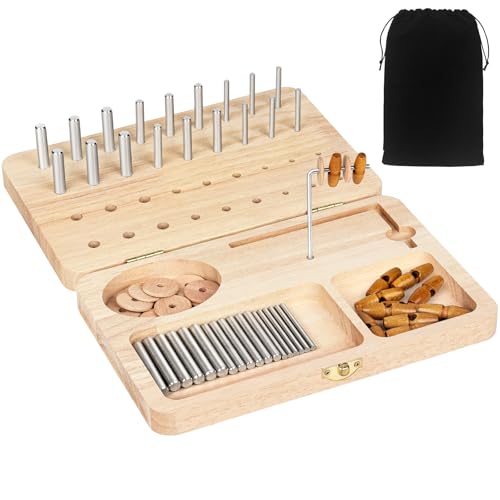
- Includes rods, wood pieces, and olive buckles
- 36-hole setup with progressive difficulty
- Solid wood box with integrated storage
Best For: Progressive rehab for stroke, brain injury, or post-surgery hand training
Classic Wooden Dexterity Board
36-Hole Wooden Pegboard for Hand Therapy

- 36-hole wooden board with 3 peg diameters
- Nickel-plated iron pegs resist rust and bending
- Smooth, rounded design is easy to clean and handle
Best For: Straightforward dexterity rehab and finger-strength practice
All-in-One Rehab Kit
Upgraded 36-Hole Wooden Hand Therapy Peg Board

- Includes pegs, tools, and accessory pieces
- Four exercise areas support progressive difficulty
- Built-in storage makes the kit easier to carry
Best For: Multi-step hand rehab and dexterity training
Compact Rehab Board
20-Hole Wooden Pegboard for Finger Exercises
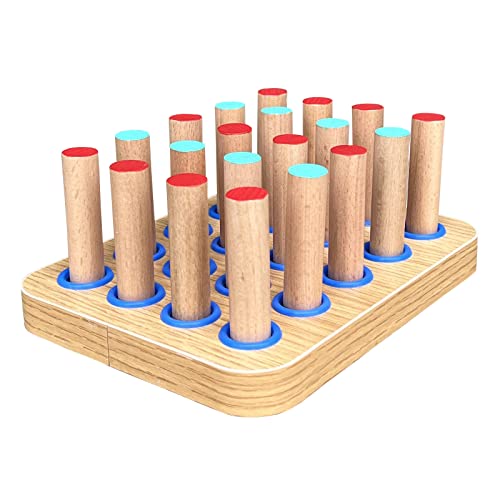
- Compact 20-hole format for basic dexterity drills
- 15mm round pegs are easy to grip and place
- Solid wood build with smooth finish and flat hole caps
Best For: Simple rehab practice in a smaller, portable format
Wooden Precision Trainer – 18-Hole Beech Pegboard
If you’re shopping for a hand therapy peg board, this beech wood option keeps the focus on simple, repeatable finger work. The 18-hole layout uses three peg sizes, so it can support dexterity drills, grip practice, and hand-eye coordination exercises in a compact format.
Best For: Kids and adults who want a sturdy, portable pegboard for basic dexterity and grip exercises.
Pros:
- Made from polished beech wood with no burrs for safer handling
- Includes 18 metal screw pegs in three sizes for varied practice
- Compact size with a protective lid makes it easy to carry
- Board slots help store the pegs neatly between sessions
Cons:
- Only 18 holes, so exercise variety is more limited than larger boards
- Manual setup may feel basic for users wanting more guided therapy features
This is a straightforward occupational therapy tool that emphasizes durability and portability over complexity. It makes sense if you want a solid wooden pegboard for consistent home, travel, or clinic use.
Grip Strength Focus – Beech Wood Therapy Board
This hand therapy peg board is built around grip-focused drills, with three peg sizes and an 18-hole wooden layout. The solid beech wood construction and rounded edges make it a practical choice for strength work, rehabilitation, and everyday hand exercise.
Best For: Users who want a sturdy wooden pegboard for grip training, rehab work, and stress-relief exercises.
Pros:
- Solid beech wood build with rounded edges for more comfortable use
- Three hole sizes and 18 total holes for varied insertion exercises
- Suitable for rehab, strength training, sports, and stress relief
- Compact size works for home or professional settings
Cons:
- Product details emphasize general exercise rather than structured therapy guidance
- Included accessories are limited to the board itself
Overall, this board is a versatile pick if you want one tool that can support finger work, grip practice, and targeted hand movement. It is especially appealing when durability and simplicity matter more than extra features.
Adult Rehab Upgrade – Professional Wooden Finger Pegboard
For buyers comparing a hand therapy peg board for rehab use, this upgraded model is designed with adults in mind. It uses high-density solid wood, ergonomic peg sizing, and a polished finish to support finger dexterity, grip strength, and hand-eye coordination during repeated therapy sessions.
Best For: Adults in occupational therapy, including stroke recovery and hand-injury rehabilitation.
Pros:
- High-density solid wood construction is described as durable and splinter-free
- Ergonomic peg size is designed to fit adult hands more comfortably
- Rounded peg edges and polished wood help reduce irritation during use
- Compact and portable for clinic, home, nursing home, or travel use
Cons:
- Primarily positioned for adult rehabilitation, so it may be more specialized than casual-use boards
- No extra accessories are listed beyond the board and pegs
This is the most therapy-focused option in the group, especially if comfort and long-term durability are priorities. It suits users who want a dependable occupational therapy tool that feels built for repetitive adult rehab work.
Color Cue Dexterity Kit – 20-Peg Wooden Therapy Board
If you want a hand therapy peg board with a little more structure, this 20-peg design adds color cues to standard insertion drills. It combines a solid wood board, easy-grip pegs, and smooth sliding action to support dexterity practice, sequencing, and hand-eye coordination work.
Best For: Users who want a simple rehab board with color cues for pattern and sequencing exercises.
Pros:
- Includes 20 holes and 20 pegs for more practice reps than smaller boards
- Two-color peg ends provide visual cues for sequencing or alternating patterns
- Solid wood build is polished smooth and described as sturdy for daily therapy
- Plastic rings help keep the holes smooth and stable during use
Cons:
- Heavier than some compact therapy boards at 1.11 pounds
- Best suited to repeated peg drills rather than more advanced hand therapy tasks
Overall, this board stands out for users who benefit from visual structure during practice. The added color coding makes it a practical pick for routine dexterity training at home or in a clinic.
Clinical 9-Hole Test Kit – 9-Hole Pegboard for Occupational Therapy
If you want a hand therapy peg board that leans toward clinical use, this 9-hole wooden model is built around the standard Nine-Hole Peg Test. The natural pine board is flat and smooth, and the pegs are shaped for easy grasping and insertion. It’s a straightforward choice for finger dexterity practice, baseline assessment, and repeatable occupational therapy sessions.
Best For: Stroke rehab, Parkinson’s care, OT screenings, and therapists needing a standardized 9-HPT tool.
Pros:
- Designed for the widely used Nine-Hole Peg Test clinical standard.
- Natural pine wood board and pegs with a smooth, treated finish.
- Built-in storage compartment holds all 9 pegs and locks shut.
- Durable, cleanable construction for regular therapy use.
Cons:
- Timer is essential for accurate testing, but not included.
- Focuses on the 9-hole test format, so it’s less versatile than multi-kit boards.
This is a practical pick if your priority is a familiar clinical assessment tool rather than a multi-exercise trainer. Its secure peg storage and easy-clean design make it especially convenient for repeated professional use.
Portable 20-Slot Trainer – Wooden Pegboard for Finger Dexterity
This hand therapy peg board is a compact wooden trainer with 20 slots and 20 color-coded sticks, making it a simple option for repetitive dexterity work. The smooth, finely ground surface and easy-in/easy-out fit are designed for comfortable use at home, in the office, or in a rehab setting. Its lightweight size makes it easy to move between practice spaces.
Best For: Home practice, portable rehab use, and users who want a simple finger-flexibility tool.
Pros:
- 20-slot layout with 20 sticks for repeated practice.
- Front and back colors on each stick help users track training.
- Small, lightweight build is easy to carry to different settings.
- Smooth wood finish and stable fit support comfortable use.
Cons:
- Less specialized than clinical test kits for standardized assessment.
- Doesn’t include the broader accessory set found in more advanced rehab boards.
For buyers who want a simple, portable training board, this model keeps the setup easy and the exercise focused. It’s a solid fit when the goal is regular finger movement practice rather than formal testing.
Multi-Accessory Rehab Board – 36-Hole Hand Therapy Peg Board
If you need a more versatile hand therapy peg board, this 36-hole kit goes beyond a basic peg layout. It includes multiple rod sizes plus wood pieces and olive buckles, so you can vary exercises as recovery progresses. The solid-wood box and integrated storage design also make it easier to keep the set organized between sessions.
Best For: Stroke, brain injury, and post-surgery rehab that needs progressive hand and upper-limb training.
Pros:
- Complete kit includes rods, wood pieces, olive buckles, and storage bag.
- 36-hole board supports progressive difficulty with three rod diameters.
- Stainless steel rods are durable and resistant to rust.
- Designed for home use or professional therapy settings.
Cons:
- Heavier than simpler peg boards, so it’s less travel-friendly.
- Broader accessory set may be more than needed for basic dexterity drills.
This is the most feature-rich option in the group, especially if you want room to scale exercises over time. It’s a strong pick for therapists or patients who prefer a more varied rehab routine in one compact board.
Classic Wooden Dexterity Board – 36-Hole Wooden Pegboard for Hand Therapy
This hand therapy peg board is built around simple peg placement drills that help users work on finger dexterity, hand strength, and fine motor coordination. With 36 holes and three peg diameters, it gives rehab patients a straightforward way to practice gripping, pinching, twisting, inserting, and rotating during recovery or therapy sessions.
Best For: People recovering from hand, wrist, or forearm injuries who want a durable, easy-to-clean rehab board with multiple peg sizes.
Pros:
- Includes 3 peg sizes: 4mm, 6mm, and 8mm for varied difficulty.
- Metal pegs are nickel-plated for rust resistance and durability.
- Wood board has a smooth finish with rounded edges for safer use.
- Designed for rehab needs such as post-surgery recovery, arthritis, stroke, and Parkinson’s support.
Cons:
- Focuses on basic peg-in-hole training rather than a multi-part activity kit.
- May feel too simple for users who want more varied exercises.
- Best suited to repetitive dexterity practice instead of broader occupational therapy tasks.
This is a solid choice if you want a dependable hand therapy peg board with a clean, traditional design and multiple peg sizes for progressive practice. It keeps the training focused and practical for home or clinical rehab use.
All-in-One Rehab Kit – Upgraded 36-Hole Wooden Hand Therapy Peg Board
If you want a hand therapy peg board that goes beyond basic peg placement, this upgraded kit adds multiple tools and exercise zones to support progressive practice. The board includes screw pegs, wrenches, a screwdriver, and other pieces, making it a practical option for working on fine motor skills, hand-eye coordination, and cognitive engagement.
Best For: Users who want a more versatile occupational therapy kit with multiple exercise types in one compact setup.
Pros:
- Complete kit includes 36 screw pegs plus tools and accessory pieces.
- Four functional exercise areas allow more varied training.
- Integrated storage design helps keep everything organized and portable.
- Solid wood construction with a smooth surface and durable components.
Cons:
- More complex than a basic pegboard, so it may take longer to learn.
- Includes many parts, which may be more than some users need.
- Heavier and bulkier than the most minimal therapy boards.
This option stands out if you want a broader rehab tool that can support different stages of recovery. Its mix of manual, tool-assisted, and L-stand exercises makes it a flexible pick for targeted hand therapy work.
Compact Rehab Board – 20-Hole Wooden Pegboard for Finger Exercises
This hand therapy peg board keeps the setup compact while still covering the core motions used in dexterity training and rehab. The 20-hole design focuses on accurate peg placement to help improve finger control, hand-eye coordination, concentration, and reaction speed in a simple, easy-to-handle format.
Best For: Patients who prefer a smaller, lightweight pegboard for basic rehabilitation and at-home hand exercises.
Pros:
- Compact 20-hole board is easy to use at home, in clinics, or in hospitals.
- 15mm round pegs are designed to be easy to grasp and insert.
- Plastic hole caps help keep the hole size consistent and the board flat.
- Made from solid wood with a smooth finish for safe, dependable use.
Cons:
- Fewer holes than larger boards, so it offers less training variety.
- Single basic design may be less engaging for advanced rehab routines.
- Light-duty build is aimed at simple exercises rather than heavy use.
This is a practical pick if you want a straightforward pegboard that is easy to store, carry, and use regularly. It covers the essentials well for finger dexterity work without adding extra complexity.
How We Picked the Best Hand Therapy Peg Board
We focused on boards that are useful for real therapy and home exercise, not just basic wooden toys. Priority went to sturdy construction, smooth peg insertion, clear hole spacing, and designs suited to finger dexterity, grip work, and fine motor training. We also favored options with practical peg sizes and layouts that can support both beginners and more advanced users.
Quick Comparison
The main differences usually come down to hole count, peg style, and the type of training you want. Smaller boards are often better for simple dexterity drills and portability, while 20-hole and 36-hole versions offer more room for progression, timed exercises, and coordination work. A Hand Therapy Peg Board with multiple peg sizes can also be more versatile if several users or rehab stages are involved.
Key Buying Factors for a Hand Therapy Peg Board
Hole Count and Layout
Choose the board size based on your goals. Fewer holes can be easier for early-stage rehab or task-focused exercises. Larger boards give you more challenge and more exercise variety.
Peg Size and Grip
Pegs should be easy to grasp without slipping, especially for users with limited strength, pain, or reduced sensation. Larger or textured pegs may be more comfortable for beginners, while smaller pegs can increase precision demands.
Material and Build Quality
Wood is common because it is durable and has a natural feel, but the finish matters. Look for smooth edges, consistent drilling, and pegs that do not stick or wobble excessively.
Therapy Use Case
If your main goal is rehabilitation, choose a board that supports repeated, controlled movements. If you want skill testing or tracking, a more standardized pegboard may be a better fit. For general home use, versatility matters most.
Who Should Buy Which Hand Therapy Peg Board?
Choose a simpler board if you are new to therapy, need a lighter daily routine, or want an easy-to-use option for hand-eye coordination. Pick a larger or more advanced Hand Therapy Peg Board if you are working on finger independence, timed drills, or progressive strengthening. Buyers supporting occupational therapy at home should look for a model that is comfortable, stable, and easy to repeat consistently over time.
For most shoppers, the best choice is the board that matches current ability with enough room to progress. The ideal option should feel supportive, not frustrating, and should make regular practice easier to maintain.