The best ice packs depend on how you plan to use them. Large reusable gel packs can cover sore muscles and joints, while slim freezer packs fit neatly in lunch boxes and coolers.
This roundup compares reusable, hot-and-cold, and disposable options so you can choose the right size, flexibility, cooling format, and quantity for your needs.
Best 10 Ice Packs Picks for 2026
Best Flexible Therapy Pack

- Large 10.5-by-14.5-inch coverage
- Flexible gel stays pliable when frozen
- Thick nylon and double-sealed construction
Best For: Broad-area injury recovery and reusable cold therapy
Best XL Lunch-Bag Pack

- Slim 0.5-inch profile saves space
- Four reusable BPA-free packs
- Fits lunch bags and coolers
Best For: Packed lunches, travel, and compact coolers
Best No-Freezer Option
General Medi Instant Cold Packs

- Activates by squeezing the center
- Eight disposable packs included
- Useful for sports and outdoor first aid
Best For: On-the-go cold therapy without freezer access
Best Everyday Cooler Pack
Healthy Packers Slim Ice Packs

- Four slim reusable gel packs
- Fits lunch boxes and coolers
- BPA-free and easy to clean
Best For: Daily lunches, family outings, and compact cooler storage
Grab-and-Go First Aid

- Activates without a freezer
- 50 disposable packs for first-aid storage
- 6-by-4.5-inch size for common injuries
Best For: Emergency kits, families, sports, and travel
Everyday Reusable Relief

- Reusable, flexible gel construction
- Includes a soft cover for each pack
- Four-pack supports rotating treatments
Best For: Injury recovery, workouts, headaches, and joint comfort
Adjustable Hot-and-Cold Therapy
Reusable Hot-and-Cold Ice Pack Set
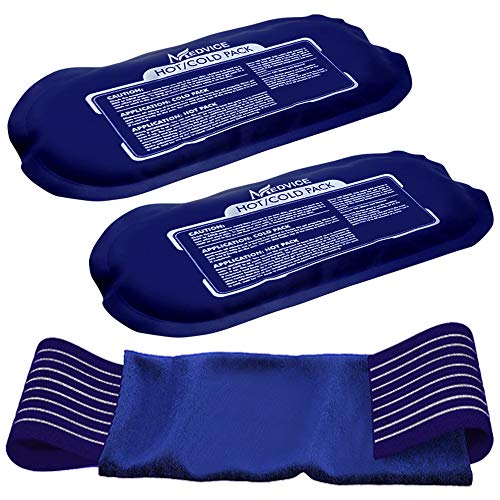
- Use cold from the freezer or heat in a microwave
- Two 10-by-5-inch packs plus an adjustable strap
- Designed for knees, back, shoulders, and elbows
Best For: Reusable multi-area hot-and-cold therapy
Long-Lasting Flexible Relief

- Pliable gel stays flexible when frozen
- Double-sealed, thick nylon construction
- Useful for many body areas
Best For: A durable single pack for targeted cold therapy
Hot-and-Cold Two-Pack Value

- Two reusable regular-size packs
- Works for cold or microwaveable heat therapy
- Soft and flexible for targeted comfort
Best For: Home and gym users who want versatile two-pack coverage
Two-Pack Recovery Coverage

- Includes two medium gel cold packs
- Flexible even when frozen
- Thick nylon exterior with sealed seams
Best For: Repeated cold therapy and alternating recovery use
Best Flexible Therapy Pack – Large FlexiKold Gel Ice Pack
For injury recovery and targeted cold therapy, the FlexiKold is one of the more versatile ice packs in this roundup. Its large 10.5-by-14.5-inch format, pliable gel, and thick nylon exterior make it suitable for covering areas such as the back, knee, shoulder, hip, or neck.
Best For: Adults who want a large, reusable ice pack for muscle pain, swelling, surgery recovery, or flexible body-part coverage.
Pros:
- Large size provides broad coverage for backs, knees, shoulders, and other areas.
- Gel remains flexible when frozen for easier positioning.
- Double-sealed seams and a thick nylon exterior are designed to help prevent leaks.
- Can be used for cold therapy and as an alternative to hot packs.
Cons:
- Sold as a single pack.
- Its large size may be less convenient for compact lunch bags or small areas.
- No straps are included.
The FlexiKold is a strong choice when coverage and flexibility matter more than portability. It is particularly practical for recurring home cold-therapy needs.
Best XL Lunch-Bag Pack – Cool Coolers Slim Ice Packs
These slim ice packs are designed for packed lunch bags and coolers where space is limited. The 7-by-4.75-by-0.5-inch profile can fit along the bottom or sides of an insulated bag, while the four-pack format gives you multiple cooling options.
Best For: Lunches, picnics, camping, beach trips, and other situations requiring slim, reusable cooler packs.
Pros:
- Thin profile fits in fully packed lunch bags and compact coolers.
- Four-pack allows packs to be placed on the bottom or sides of a bag.
- Reusable, BPA-free plastic construction is intended for repeated use.
- Designed for long-lasting cooling when frozen beforehand.
Cons:
- Hand wash only.
- Requires freezer time before use for maximum cooling power.
- Not designed as a body-therapy ice pack.
The Cool Coolers pack is a practical space-saving choice for food and drinks. Its slim shape is especially useful when a bulky block would take up too much room.
Best No-Freezer Option – General Medi Instant Cold Packs
When you need ice packs without access to a freezer, the General Medi instant cold packs offer a convenient solution. Squeeze the center to activate the cooling effect, then use the flexible 4-by-5.5-inch pack for minor swelling, strains, and other first-aid situations.
Best For: Athletes, hikers, campers, and home first-aid kits that need disposable cold therapy on demand.
Pros:
- Activates instantly without a freezer.
- Eight individually sized packs provide several uses for first-aid supplies.
- Compact format can be applied to ankles, elbows, knees, shoulders, and other areas.
- Flexible design and extra insulation support convenient cold therapy.
Cons:
- Disposable rather than reusable.
- Cooling duration is limited to the activated treatment period.
- Smaller size provides less coverage than a large reusable gel pack.
These packs prioritize readiness and convenience over long-term value. They are a useful addition to activity bags or emergency kits where freezing is not practical.
Best Everyday Cooler Pack – Healthy Packers Slim Ice Packs
The Healthy Packers ice packs offer a slim, reusable way to keep lunch boxes, breastmilk bags, bento boxes, and coolers chilled. Their 7-by-4.7-inch footprint and compact profile make them easy to stack or position in smaller insulated bags.
Best For: Families, office lunches, school totes, picnics, camping, and daily cooler use.
Pros:
- Compact four-pack supports individual or multiple-pack cooling setups.
- Slim design fits lunch bags, bento boxes, and other tight spaces.
- Reusable gel construction is made from BPA-free, non-toxic materials.
- Easy to wipe clean or hand wash.
Cons:
- Must be frozen before use.
- Hand cleaning is required.
- Hard, slim packs may provide less conformability than soft therapy packs.
For routine food and drink cooling, this four-pack balances storage efficiency with repeat use. It is a practical choice for households that need dependable packs for several bags or meals.
Grab-and-Go First Aid – 50-Pack Instant Ice Packs
These disposable ice packs are a practical choice when you need cold therapy without access to a freezer. Squeeze the center to activate each pack, then apply it for about 15 minutes to help manage swelling, inflammation, and pain after common injuries.
Best For: Home, car, sports, hiking, and emergency first-aid kits that need an instant supply of single-use ice packs.
Pros:
- Activates without refrigeration or freezing.
- 50-pack provides a substantial supply for families and active users.
- Compact 6-by-4.5-inch size suits many common injury areas.
- Tear-resistant exterior is designed for transport and storage.
Cons:
- Single-use design creates more waste than reusable ice packs.
- Each pack provides approximately 15 minutes of cold therapy.
Choose this bulk option if convenience and preparedness matter more than long-term reusability. It is especially useful for keeping immediate cold relief available in several locations.
Everyday Reusable Relief – Flexible Gel Ice Packs
This four-pack of reusable gel ice packs combines a flexible design with included soft covers for more comfortable cold therapy. The packs stay pliable out of the freezer, conform to different body areas, and can be refrozen for repeated use.
Best For: Repeated treatment of sore muscles, sprains, headaches, swelling, and post-workout or recovery discomfort.
Pros:
- Flexible gel conforms to knees, ankles, necks, backs, and other areas.
- Reusable construction offers ongoing cold therapy.
- Each pack includes a soft cover to create a gentler skin barrier.
- Leak-proof, compact design is convenient for storage and transport.
Cons:
- Requires freezer access between uses.
- Designed for adult use according to the listed age range.
For shoppers seeking versatile ice packs that can be used again and again, this set offers a practical balance of comfort, portability, and coverage. The four-pack also makes rotating packs during recovery easier.
Adjustable Hot-and-Cold Therapy – Reusable Hot-and-Cold Ice Pack Set
This reusable set expands beyond standard ice packs by supporting both cold and heated therapy. The two 10-by-5-inch gel packs can be frozen or microwaved, while the included adjustable strap helps position a pack on areas such as the knee, back, shoulder, or elbow.
Best For: Users who want one reusable set for cold therapy, warmth, and hands-free support across multiple body areas.
Pros:
- Supports both freezer-cold and microwave-heated applications.
- Includes two flexible packs plus a 36-inch adjustable strap.
- Suitable for knees, lower back, elbows, shoulders, and other areas.
- Reusable design supports ongoing recovery routines.
Cons:
- Requires a freezer or microwave depending on the treatment.
- Each pack is larger than compact, spot-treatment ice packs.
- The listed set includes two hot/cold packs and one strap, rather than three packs.
This is a strong choice when temperature flexibility and positioning are priorities. The strap adds convenience for targeted use, while the reusable format suits recurring muscle or joint discomfort.
Long-Lasting Flexible Relief – FlexiKold Medium Gel Pack
For shoppers comparing ice packs for injuries, this medium FlexiKold pack combines a pliable gel interior with a durable nylon exterior. Its 7.5-by-11-inch size is suited to common areas such as the shoulder, knee, back, hip, leg, arm, ankle, and foot.
Best For: Adults who want one reusable, flexible pack for muscle soreness, swelling, recovery, or targeted cold therapy.
Pros:
- Gel remains pliable when frozen for easier body contact.
- Designed to stay colder for longer.
- Double-sealed seams and an extra-thick nylon exterior help prevent leaks.
- Useful across a wide range of body areas and recovery needs.
Cons:
- Sold as a single pack.
- No straps are included for hands-free placement.
- Medium size may not cover especially large areas as fully as a larger pack.
This is a practical pick when durability and flexibility matter more than included accessories. The single-pack format works well for keeping a dependable cold compress in a home recovery kit.
Hot-and-Cold Two-Pack Value – Perfect Remedy Gel Ice Packs
This two-pack stands out among ice packs for injuries because the flexible gel packs can be used for both cold and heat therapy. The thicker composition and added gel are intended to support longer-lasting relief, while the soft design conforms to areas such as the knee, shoulder, neck, or head.
Best For: Households, athletes, or gym users who want two reusable packs that can provide either cold therapy or microwaveable heat therapy.
Pros:
- Includes two regular-size gel packs.
- Soft, pliable material supports targeted comfort.
- Designed to stay cold longer than comparable packs.
- Microwaveable for hot compress use as well as cold therapy.
Cons:
- Regular size may be less suitable for covering broad areas.
- Heat use requires following appropriate microwave instructions.
- Plastic construction may feel less substantial than a thick nylon-covered pack.
Choose this set if versatility and having a spare pack are priorities. Its hot-and-cold design makes it useful beyond injury recovery, including cramps and general muscle discomfort.
Two-Pack Recovery Coverage – FlexiKold Medium 2-Pack
For shoppers needing multiple ice packs for injuries, this FlexiKold two-pack provides medium gel packs measuring approximately 7.5 to 8 by 11 to 11.5 inches. The flexible gel conforms to the body even when frozen, making the pair useful for back, knee, and other recovery applications.
Best For: Adults who want two durable cold packs for post-activity soreness, inflammation, back discomfort, or post-surgery recovery.
Pros:
- Two packs can support alternating use or treat separate areas.
- Proprietary gel is designed to stay colder for longer.
- Flexible construction conforms closely to the body.
- Double-sealed seams and thick nylon exteriors help resist leaks.
Cons:
- Designed for cold use rather than hot-and-cold therapy.
- No straps are included for hands-free positioning.
- Medium packs may not provide full coverage across very large areas.
This set is a strong fit when two matching cold packs are more useful than a single larger compress. Its combination of flexible contact and reinforced construction suits repeated recovery use.
How We Picked the Best Ice Packs
We organized these Ice Packs around the most common use cases: injury recovery, everyday first aid, lunch boxes, coolers, and outdoor activities. We considered pack size, reusable or disposable construction, flexibility, intended temperature use, storage convenience, and value per pack.
For injury care, the most useful options are generally soft, flexible packs that can conform to knees, shoulders, backs, and other uneven areas. For food storage, slim or compact freezer packs are easier to arrange around containers. Disposable packs are practical when a freezer is unavailable, such as during travel, sports, camping, or emergencies.
Quick Comparison
| Best For | Recommended Type | Why It Works |
|---|---|---|
| Large-area injury relief | Large reusable gel pack | Provides broad coverage for backs, knees, hips, and shoulders. |
| Lunch boxes | Slim freezer pack | Uses less space and fits beside food containers. |
| Coolers and outdoor trips | Durable reusable pack | Offers repeat use for beach trips, camping, fishing, and travel. |
| First-aid emergencies | Disposable instant pack | Activates without a freezer and is easy to keep in a kit. |
| Heat and cold therapy | Hot-and-cold reusable pack | Supports both cooling and warming routines when used as directed. |
Key Buying Factors for Ice Packs
Size and Coverage
Choose a larger pack for broad muscle groups or post-workout recovery, and a smaller pack for targeted areas or portable first-aid use. Measure the available space if you are buying packs for a lunch box or cooler.
Flexibility and Comfort
Flexible gel packs can mold around joints and curved body areas more comfortably than rigid blocks. A soft exterior is also useful when the pack will rest directly against a wrapped or sensitive area.
Reusable Versus Disposable
Reusable packs cost less over time and are best for regular home, sports, or meal-storage use. Disposable packs are more convenient for emergency kits and situations where freezing is not possible, but they create more waste and are intended for limited use.
Cold Retention and Care
Look for a size and design that match the duration of your activity. Follow the manufacturer’s freezing, heating, and cleaning instructions, and place cold packs inside a cloth barrier for injury treatment rather than applying extreme cold directly to skin.
Who Should Buy Which Ice Packs?
Choose a large flexible gel pack if you need coverage for back pain, knee discomfort, shoulder soreness, or recovery after activity. A multi-pack of slim freezer packs is a better fit for packed lunches, compact coolers, and daily commuting. Outdoor users should favor durable reusable packs, while coaches, travelers, and first-aid planners may prefer disposable instant packs for quick access anywhere.
If you want one versatile option for regular home use, select a reusable pack that supports cold therapy and, where explicitly approved by the manufacturer, hot therapy. For frequent treatment, buying multiple packs lets you rotate one in use while another freezes.