The best orthotic insoles for everyday wear can make familiar shoes feel more supportive, comfortable, and stable. The right pair depends on your arch height, foot shape, activity level, and how much cushioning or structure you need.
We compared 10 popular options for workdays, commuting, walking, and prolonged standing, including trim-to-fit inserts, cushioned designs, and firmer orthotics for alignment support.
Best 10 Orthotic Insoles for Everyday Wear Picks for 2026
Best High-Arch Support

- Contoured high arch with deep heel cup
- EVA, TPU, and foam construction
- Five sizes for men and women
Best For: Firm support for everyday and active footwear
Best for Long Workdays
Dr. Scholl's Work All-Day Insoles
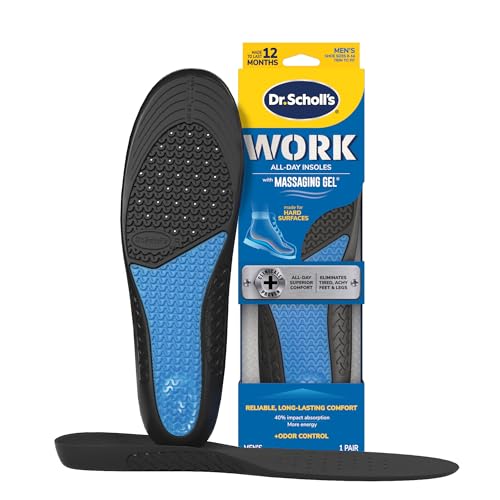
- Massaging gel for hard surfaces
- Responsive cushioning helps fight fatigue
- Trim-to-fit with odor control
Best For: Physically demanding jobs and extended standing
Best for Wider Shoes
WalkHero Plantar Fasciitis Insoles

- Designed for wide, high-volume shoes
- Deep heel cup supports positioning
- EVA shock absorption for daily use
Best For: Moderate support in roomy work, athletic, or casual shoes
Flexible Arch Support
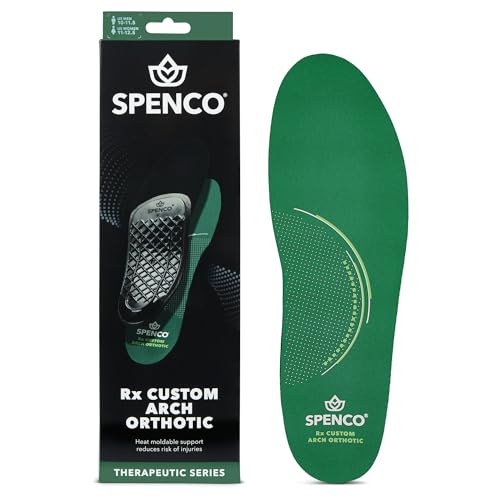
- Adaptable arch and heel plate
- 3/4-length impact cushioning
- Low-friction, odor-conscious design
Best For: Everyday walking and standing in varied footwear
Heavy-Duty Everyday Support
Dr. Scholl's Heavy Duty Support

- Built for users over 200 pounds
- Compatible with wide feet
- Targeted heel cushioning
Best For: Big-and-tall men wearing work boots or everyday shoes
Best with Extra Features
Superfeet All-Purpose High Arch Insoles

- Deep heel cup for structured support
- Trim-to-fit design for roomy shoes and boots
- Moisturewick cover helps reduce odors
Best For: High arches and roomy everyday footwear
Maximum Stability
PowerStep Pinnacle Maxx Orthotic Insoles

- Angled heel post helps address overpronation
- Firm, flexible support with dual-layer cushioning
- No trimming required
Best For: Flat feet and overpronation in removable-insole shoes
Flexible Daily Cushioning
Dr. Scholl's Arch Support Insoles for Women

- Flexible low-arch support for changing activity levels
- Full-foot cushioning and pressure distribution
- Trim-to-fit women’s sizes 6–10
Best For: Women seeking cushioned support for everyday shoes
Best High-Arch Support – Physix Gear Orthotic Insoles
For shoppers comparing orthotic insoles for everyday wear, the Physix Gear model combines a contoured high arch, deep heel cup, and a firm support layer with foam cushioning. It fits running shoes, trainers, work shoes, and casual footwear, while five size options make matching easier.
Best For: People seeking firm high-arch support for daily walking, active days, or extended time on their feet.
Pros:
- Contoured high arch and deep heel cup help steady the foot.
- EVA, TPU, and foam construction combines support with cushioning.
- Available in five sizes with a unisex fit.
- Can be used in running, work, and casual shoes.
Cons:
- Designed specifically for high-arch support, so it may not suit every foot type.
- The firm support layer may feel less flexible than a soft comfort insert.
Choose this option when structure and heel stability are higher priorities than a minimal, flexible feel. Its broad footwear compatibility makes it practical for everyday and active use.
Best for Long Workdays – Dr. Scholl's Work All-Day Insoles
Dr. Scholl's Work All-Day Superior Comfort Insoles (with) Massaging Gel, Men, 1 Pair, Trim to Fit
Check Price On AmazonDr. Scholl’s Work All-Day insoles are a practical choice among orthotic insoles for everyday wear when your routine involves prolonged standing or walking. Their massaging gel technology, responsive cushioning, trim-to-fit design, and odor-control treatment target comfort in work shoes and boots.
Best For: People with physically demanding jobs or active, on-your-feet lifestyles.
Pros:
- Massaging gel cushioning helps reduce impact and shock on hard surfaces.
- Distributes foot pressure to help reduce fatigue and joint strain.
- Trim-to-fit sizing works with most work shoes and boots.
- Polygiene StayFresh Technology helps control odor and moisture buildup.
Cons:
- Focused on work footwear and may be more cushioning than needed for casual shoes.
- Requires trimming for a customized fit.
This is a strong everyday option for workers who spend long hours on concrete, asphalt, wood floors, or similar surfaces. Select it for cushioning and freshness features rather than specialized high-arch shaping.
Best for Wider Shoes – WalkHero Plantar Fasciitis Insoles
WalkHero offers moderate support for shoppers seeking orthotic insoles for everyday wear in wider, high-volume footwear. The design pairs a deep heel cup with EVA shock absorption and is intended for work boots, basketball shoes, running shoes, and casual shoes.
Best For: People with wide feet or roomy shoes who want moderate arch support and cushioning for daily use.
Pros:
- Wide-foot compatibility suits wider, high-volume shoes.
- Deep heel cup helps maintain foot positioning and stability.
- EVA material provides shock absorption and helps with foot fatigue.
- Suitable for several everyday and athletic shoe types.
Cons:
- Its moderate support may not satisfy shoppers seeking very firm correction.
- Available product sizing is specific, so check the fit carefully.
Consider WalkHero when shoe volume and heel stability are key concerns. It is especially suited to roomy footwear and users who prefer moderate control over a rigid insert.
Best No-Trim Casual Option – Superfeet Casual Men's Easyfit
Superfeet Casual Men’s Easyfit insoles stand out among orthotic insoles for everyday wear because they drop into men’s shoes without trimming. The men’s-specific design provides support for all arch heights and is intended for shoes with a heel height of 1 inch or less.
Best For: Men wanting ready-to-use support in casual shoes with low heels.
Pros:
- Drop-in design requires no trimming.
- Supports all arch heights according to the supplied product notes.
- Plush microsuede top offers a comfort-focused surface.
- Designed to retain shape and support for up to 12 months or 500 miles.
Cons:
- Men’s-specific sizing limits its audience.
- Works with shoes having a heel height of 1 inch or less.
- Listed size covers men’s 9.5–11 only.
This is a convenient pick for casual footwear when you want an easy installation and a comfort-oriented feel. Confirm the shoe size and heel height before choosing it.
Flexible Arch Support – Spenco Rx Arch Support
For shoppers comparing orthotic insoles for everyday wear, the Spenco Rx Arch Support combines a customizable arch and heel plate with a lightweight 3/4-length cushioning layer. Its low-friction fabric and odor-management features make it practical for sneakers, casual shoes, and extended time on your feet.
Best For: Everyday walking, standing, and people seeking adaptable arch support in a variety of shoes.
Pros:
- Customizable nylon arch and heel support adapts to foot structure over time.
- 3/4-length SpenCore layer helps cushion impact without occupying the full shoe.
- 4-way stretch fabric helps reduce rubbing, while airflow channels and Silvadur technology support freshness.
- Fits most shoes, including sneakers, casual footwear, and work boots.
Cons:
- Its 3/4-length design may not suit shoppers who prefer full-length coverage.
- The listed size covers women’s 7–8.5 and men’s 6–7.5, so sizing is limited.
The Spenco is a versatile choice when comfort, airflow, and adaptable support matter more than a rigid full-length insert. It also includes a one-year unconditional guarantee.
Podiatrist-Recommended Relief – PowerStep Pinnacle Insoles
Among orthotic insoles for everyday wear, the PowerStep Pinnacle is geared toward shoppers who want structured support and cushioning for plantar fasciitis-related discomfort. Its dual-layer cushioning and heel support are designed for athletic, walking, running, work, and some casual shoes.
Best For: People seeking plantar fasciitis relief, heel cushioning, and stable support for shoes with removable factory insoles.
Pros:
- Podiatrist-recommended design provides arch support and foot-and-ankle stability.
- Dual-layer cushioning helps reduce stress and fatigue, with added heel cushioning.
- Ordered by shoe size with no trimming required.
- Made in the USA and backed by a 30-day money-back guarantee.
Cons:
- Designed for shoes where the original factory insole can be removed.
- The supplied size is limited to men’s 4–4.5 and women’s 6–6.5.
- May not fit every casual shoe despite its broad listed footwear compatibility.
The Pinnacle is a strong option when targeted plantar fasciitis support and built-in cushioning are priorities. Check that your shoes have removable insoles and that the available size matches.
Heavy-Duty Everyday Support – Dr. Scholl's Heavy Duty Support
For orthotic insoles for everyday wear in demanding footwear, Dr. Scholl’s Heavy Duty Support model is designed for men over 200 pounds, taller users, and people with wide feet. It combines arch support with targeted heel cushioning for work boots, sneakers, and other shoes.
Best For: Big-and-tall men and wide-footed users who need durable support for daily activity.
Pros:
- Specifically designed for men over 200 pounds, taller users, and wide feet.
- Targeted heel cushioning surrounds the heel and helps distribute pressure.
- Provides all-day support and is described as durable and built to last.
- Trim-to-fit design works with work boots, sneakers, and other shoes.
Cons:
- Designed for men’s sizes 8–14, limiting its audience.
- Its heavy-duty construction may be more support than some lighter users need.
- Trimming is required for fit, unlike size-ordered, no-trim alternatives.
This model makes the most sense when weight capacity, wide-foot compatibility, and heel cushioning are central concerns. It is a practical match for work footwear and other shoes used throughout the day.
Best with Extra Features – Superfeet All-Purpose High Arch Insoles
For shoppers comparing orthotic insoles for everyday wear, the Superfeet All-Purpose model is built around firm high-arch support and a deep heel cup. It is designed for roomy shoes and boots, and can be trimmed for a closer fit.
Best For: People with high arches who want structured support in roomy footwear.
Pros:
- Deep heel cup helps cradle the heel and support natural shock absorption.
- High-density closed-cell foam supports the whole foot.
- Moisturewick top cover helps reduce odors and keep feet fresh.
- Trim-to-fit design accommodates shoes and boots.
Cons:
- Designed for roomy footwear, so it may not suit tight-fitting shoes.
- Requires trimming before use; shoppers between sizes should size up and trim down.
- High-arch construction may not be appropriate for low or neutral arches.
This is a strong option when your daily footwear has enough space and you prefer substantial high-arch structure. Its washable, cut-to-fit design adds practical flexibility, but fit and arch compatibility are especially important.
Maximum Stability – PowerStep Pinnacle Maxx Orthotic Insoles
For orthotic insoles for everyday wear focused on stability, the PowerStep Pinnacle Maxx uses a slightly angled heel post and firm-but-flexible construction. It is made to address inward rolling associated with overpronation and comes ready to wear without trimming.
Best For: People with flat feet or overpronation who need maximum stability in shoes with removable factory insoles.
Pros:
- Slightly angled heel post helps limit inward rolling and improve stability.
- Deep heel cradle supports comfort, stability, and motion control.
- Dual-layer cushioning provides support from heel to toe.
- No trimming is required, and the insoles are made in the USA.
Cons:
- Thickest Pinnacle model, so it requires shoes where the factory insole can be removed.
- Firm construction may feel less plush than softer foam inserts.
- Its stability-focused design may be more support than some everyday users need.
The Pinnacle Maxx is the most stability-oriented choice in this group. Its ready-to-wear shape is convenient, but the substantial thickness makes shoe compatibility a key consideration before buying.
Flexible Daily Cushioning – Dr. Scholl's Arch Support Insoles for Women
Shoppers seeking orthotic insoles for everyday wear may prefer Dr. Scholl’s women’s inserts for their flexible arch support and full-foot cushioning. The trim-to-fit design combines impact absorption, heel cushioning, and support intended to help manage lower-body stress.
Best For: Women wanting flexible, full-foot cushioning and support for regular shoes.
Pros:
- Flexible low-arch support adapts to activity level and physical changes.
- Full-foot cushioning helps distribute pressure across the foot.
- Shock-absorbing heel helps manage stress beginning at the heel.
- Trim-to-fit format suits women’s shoe sizes 6–10.
Cons:
- Designed for low arches, so it may not provide enough structure for high arches.
- Requires trimming to fit the shoe.
- Foam pad construction may offer less rigid control than stability-focused orthotics.
This model emphasizes adaptable comfort rather than maximum correction. It is a practical pick for daily cushioning and flexible support, particularly when your arch profile and shoe size match its intended fit.
How We Picked the Best Orthotic Insoles for Everyday Wear
We focused on insoles designed for regular use in walking shoes, work shoes, casual footwear, and supportive sneakers. Our comparison considers arch-support style, heel stability, cushioning, fit range, trim-to-fit flexibility, materials, and suitability for common concerns such as plantar fasciitis, flat feet, overpronation, and prolonged standing.
Because comfort is highly personal, the list includes both soft, shock-absorbing options and firmer models that provide more structured support. Product sizing and compatibility also matter, so check each manufacturer’s size chart and shoe recommendations before buying.
Quick Comparison
- Best for broad everyday use: A balanced full-length insole with moderate arch support and cushioning.
- Best for work and standing: A durable design with shock absorption and pressure distribution.
- Best for high arches: A contoured model with substantial arch height and heel control.
- Best for overpronation: A structured orthotic with stability features and a supportive heel platform.
- Best for easy fitting: A trim-to-fit insert that can be adjusted to the shape of your shoe.
Key Buying Factors for Orthotic Insoles for Everyday Wear
Arch Support and Foot Type
Choose support based on your natural arch and comfort needs rather than assuming firmer is always better. High-arch feet may benefit from a contoured insert with more cushioning, while flat feet or overpronation may need a stable base that helps limit excessive inward rolling.
Cushioning Versus Firmness
Gel and foam cushioning can reduce impact during walking and standing, but very soft inserts may not provide enough structure for everyone. Firmer orthotics typically offer stronger guidance and stability, though they may require a gradual break-in period.
Fit, Volume, and Shoe Compatibility
Check whether the insole replaces the shoe’s original footbed or sits on top of it. Full-length models may need extra room, while low-profile options work better in snug casual shoes. Trim-to-fit designs are useful when sizing falls between ranges.
Heel Cup, Durability, and Maintenance
A deep or well-defined heel cup can improve stability and help keep the foot centered. Look for materials suited to your routine, removable covers for easier cleaning, and construction that can withstand daily use.
Who Should Buy Which Orthotic Insoles for Everyday Wear?
Choose a cushioned everyday model if you want general comfort for commuting, errands, and casual walking. Choose a work-focused or heavy-duty option if you spend long hours standing, carry extra weight, or need additional shock absorption.
Choose a high-arch insole when your feet need more contoured support and cushioning under the arch. Choose a stability-focused orthotic for flat feet, overpronation, or a preference for a firmer, more controlled feel.
If pain is persistent, severe, or accompanied by numbness or swelling, consult a qualified healthcare professional. Replace worn inserts when the cushioning compresses, the support changes, or the material begins to deform.