Finding the right transfer chair for a shorter adult can make bed-to-chair, bathroom, and vehicle transfers more controlled and less physically demanding. The best options combine a low enough working height with secure seating, stable casters, and adjustments that suit both the user and caregiver.
This roundup compares 10 patient transfer chairs for home care, including manual, hydraulic, electric, folding, and multipurpose designs. Focus on fit and transfer compatibility first, then weigh capacity, maneuverability, storage, and helpful features such as split seats or commode access.
Best 10 Patient Transfer Chairs for Short Adults Picks for 2026
Best Adjustable Lift
4-in-1 Split-Seat Transfer Chair

- 16–24-inch adjustable seat height
- 180° split seat and commode opening
- Supports up to 220 pounds
Best For: Shorter adults needing versatile caregiver-assisted transfers
Best Heavy-Duty Option
Hydraulic Transfer Chair With Potty

- 330.7-pound maximum weight recommendation
- 11.9–18.2-inch hydraulic lift range
- Includes potty and 180° backrest
Best For: Shorter adults needing a higher-capacity indoor transfer chair
Best Portable Chair
Invacare Compact Transport Wheelchair

- 26-pound foldable transport design
- 19-inch seat with removable flip-back arms
- Folds to 9 inches wide
Best For: Shorter adults needing lightweight caregiver-pushed transport
Best Narrow-Base Pick

- 16–24-inch adjustable seat range
- 20.9-inch narrow base for indoor use
- Open and solid cushions included
Best For: Shorter adults needing compact transfers around the home
Compact Manual Pick
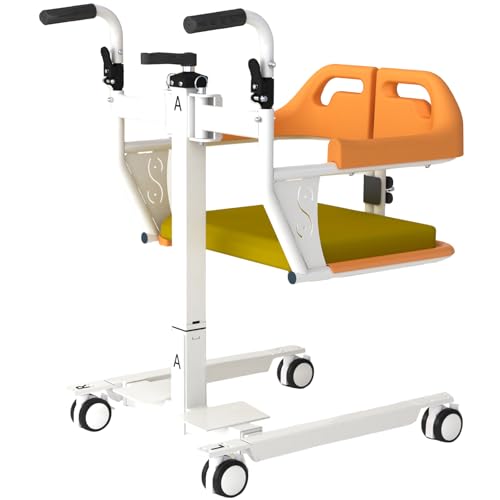
- 16-inch seat height
- 180° split seat
- Foldable steel frame
Best For: Home caregivers seeking a portable manual chair for lower transfer surfaces
Electric Adjustability Pick
Mosfer Electric Transfer Chair

- 40–54-inch powered lift range
- Includes 3-inch low-clearance wheels
- 330-pound weight capacity
Best For: Caregivers wanting powered adjustment and foldable storage
Low-Transfer Utility Pick
Hydraulic Split-Seat Transfer Chair

- 35.83–41.34-inch adjustable range
- 180° split-seat reclining design
- Built-in potty and tabletop
Best For: Caregivers needing toileting and meal-support features in one chair
Best Adjustable Fit
Manual Transfer Chair for Short Adults

- Height and base width adjust for varied transfer surfaces
- 275-pound capacity with locking swivel casters
- Foldable design with removable washable cushions
Best For: Caregivers needing an adjustable sit-to-sit transfer aid for upright users
Best Simple Pick
5-in-1 Split-Seat Transfer Chair
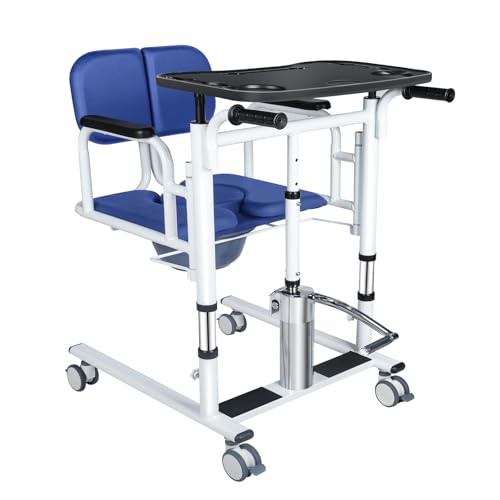
- 440-pound capacity with reinforced frame
- Five-level height adjustment and 180-degree split seat
- Combines transfer, shower, wheelchair, and commode functions
Best For: Caregivers needing multifunctional support for upright users with higher weight requirements
Best Compact Transfer Option
Adjustable Chair for Car Transfers

- 17-inch seat width and 23-inch base
- 13.7-inch manual height adjustment
- Four-in-one design with removable armrests
Best For: Caregivers needing a narrow, portable chair for upright users and car transfers
Best Adjustable Lift – 4-in-1 Split-Seat Transfer Chair
For shoppers comparing patient transfer chairs for short adults, this model stands out with a 16–24-inch adjustable seat range and support for users from 4’5″ to 6’6″. Its split seat, lift function, commode opening, and locking casters are designed for caregiver-assisted transfers around the home.
Best For: Shorter adults who need one chair for transfers, toileting, bathing, and bedside mobility, provided the user weighs 220 pounds or less and is not bedridden or very weak.
Pros:
- Adjustable 16–24-inch seat height helps align with beds, sofas, and toilets.
- 180° split seat accommodates immobile users and wheelchair transfers.
- Combines a patient lift, wheelchair, commode, and bath chair.
- Locking casters and a reinforced steel frame support stable positioning.
Cons:
- 220-pound capacity is lower than some heavy-duty transfer chairs.
- Not intended for users who are very weak or bedridden.
- At 58.6 pounds, it is less portable than a standard transport chair.
This is a versatile option when height adjustability and bathroom access matter most. Confirm the user’s weight, strength, and transfer needs before choosing it for daily care.
Best Heavy-Duty Option – Hydraulic Transfer Chair With Potty
Among patient transfer chairs for short adults, this hydraulic model offers a relatively low 11.9–18.2-inch lifting range and a 330.7-pound capacity. The foot-operated pump, 180° backrest, enclosed seating design, and lockable wheels are suited to assisted indoor transfers.
Best For: Shorter adults who need higher weight capacity and transfers between beds, sofas, and other surfaces, with a caregiver available to operate the hydraulic lift.
Pros:
- Supports up to 330.7 pounds with a thickened steel frame.
- Hydraulic height adjustment reaches as low as 11.9 inches.
- 180°-opening backrest helps align the chair for bed or sofa transfers.
- Includes a portable potty and a tabletop with cup and utensil grooves.
Cons:
- At 78.5 pounds, it is heavy to move and transport.
- The 26-inch overall width may be restrictive in narrow spaces.
- Its 20.08-inch seat depth may not suit every short user.
This chair is a strong fit when weight capacity and a low lifting range take priority over portability. Measure doorways and check the user’s seated fit before purchase.
Best Portable Chair – Invacare Compact Transport Wheelchair
For patient transfer chairs for short adults who primarily need transport rather than lifting, this lightweight Invacare chair provides an 18-inch seat height, a 19-inch seat width, and a 26-pound frame. Flip-back, removable arms support side transfers, while the dual-fold design simplifies storage and travel.
Best For: Shorter adults who can remain seated and need caregiver-pushed transport through standard doorways, in vehicles, or around the home.
Pros:
- Lightweight 26-pound design folds to 9 inches wide.
- Flip-back and removable desk-length arms help with side transfers.
- Fold-down backrest reduces height for storage and transport.
- Arrives fully assembled with smooth, non-marring TPU casters.
Cons:
- It is a transport wheelchair, not a powered or hydraulic lifting chair.
- The 18-inch seat height may be less suitable for users needing a lower seat.
- Maximum recommended weight is 250 pounds.
This is the most practical choice for portability and routine seated transportation. Choose a dedicated lift-transfer model instead if the user needs substantial assistance moving between surfaces.
Best Narrow-Base Pick – Adjustable Home Transfer Aid
This adjustable transfer aid is worth considering when shopping for patient transfer chairs for short adults who need a compact indoor option. Its 16–24-inch seat range, 20.9-inch narrow base, open and solid cushions, and locking swivel casters support transfers between beds, sofas, toilets, showers, and dining areas.
Best For: Shorter adults needing a straightforward caregiver-assisted chair for flat-floor indoor transfers, where doorways measure over 21 inches and the user weighs no more than 220 pounds.
Pros:
- 16–24-inch adjustable seat height helps match common household surfaces.
- Narrow 20.9-inch base is designed for doorways over 21 inches.
- Includes open and solid cushions for hygiene and everyday sitting.
- Lockable 360° swivel casters support positioning during transfers.
Cons:
- 220-pound capacity limits suitability for heavier users.
- Designed for flat indoor floors rather than uneven surfaces.
- Requires more than 3 inches of under-bed clearance.
This model offers a useful balance of adjustability, compact width, and bathroom flexibility. Measure the bed, doorway, floor, and user weight before ordering.
Compact Manual Pick – Portable Patient Lift Chair
For shoppers comparing patient transfer chairs for short adults, this manual lift chair stands out for its 16-inch seat height and compact, home-oriented design. The steel frame, 180° split seat, and adjustable height support transfers between beds, wheelchairs, toilets, and sofas, provided the user stays within the 220-pound weight recommendation.
Best For: Home caregivers who want a portable manual transfer chair with a relatively low seat height and straightforward crank operation.
Pros:
- 16-inch seat height may suit shorter users and lower transfer surfaces.
- 180° split seat and ergonomic support can simplify positioning during transfers.
- Adjustable, foldable design breaks down for transport in many vehicles.
- Braked casters and a reinforced steel frame support controlled movement.
Cons:
- The manual crank requires caregiver effort and operation.
- At 60 pounds, it may still be difficult for some people to lift.
- The 220-pound maximum weight recommendation is lower than some alternatives.
Its 16-inch seat height, 15.7-inch seat depth, and 25.1-inch width make measurements especially important. Confirm doorway, bed, and transfer-surface clearance before ordering, and use it with caregiver assistance.
Electric Adjustability Pick – Mosfer Electric Transfer Chair
Among patient transfer chairs for short adults, the Mosfer model offers powered height adjustment and a low-clearance wheel option. Its electric lift ranges from 40 to 54 inches, while the included 3-inch wheels are intended for hard floors and lower beds or sofas. Caregiver operation is required.
Best For: Home users who prioritize one-button height adjustment, folding storage, and a higher 330-pound capacity.
Pros:
- One-button electric adjustment reduces manual lifting effort.
- Includes 3-inch wheels for hard floors and low-clearance beds or sofas.
- Foldable structure can fit in most car trunks after folding.
- Steel construction, safety belt, padded backrest, and locking casters support stability.
Cons:
- The 40- to 54-inch lift range is taller than a typical short-user seat height, so fit should be verified carefully.
- It weighs about 90.3 pounds, limiting easy lifting and portability.
- It requires doorways wider than 26 inches and more than 5 inches of clearance under the bed or sofa.
This chair is not intended for independent use, completely paralyzed users, people unable to maintain an upright sitting posture, or uneven roads. Measure the home’s clearances and consider the charging and waterproof-use instructions before purchase.
Low-Transfer Utility Pick – Hydraulic Split-Seat Transfer Chair
For patient transfer chairs for short adults, this hydraulic model is notable for its stated adjustable range of 35.83 to 41.34 inches and 180° split-seat design. It also combines transfer support with a detachable tabletop and portable potty, making it useful for caregivers managing eating and toileting routines.
Best For: Care settings that need a sturdy hydraulic transfer chair with built-in toileting and meal-support features.
Pros:
- Supports up to 330.7 pounds with a seamless steel frame and reinforced joints.
- 180° reclining split seat can help with transfers without lifting the user.
- Detachable seat cushion, portable potty, and wipeable surfaces simplify care.
- Designed for doorways wider than 22.8 inches and beds within the specified height range.
Cons:
- At 81.6 pounds, it is not especially light to move or transport.
- The user must be able to sit upright and cannot operate it independently.
- Detailed clearance and bed-height requirements must be checked before ordering.
The product notes specify more than 5 inches of under-bed clearance, a 16.14- to 25.6-inch bed height, and doorway width over 22.8 inches. Verify these measurements, and plan for caregiver assistance during every transfer.
Best Adjustable Fit – Manual Transfer Chair for Short Adults
For shoppers comparing patient transfer chairs for short adults, this manual lift chair stands out for its adjustable height and base width. It is designed for sit-to-sit transfers between beds, wheelchairs, toilets, sofas, and cars, provided the user can sit upright with support.
Best For: Caregivers seeking an adjustable transfer aid for upright users and tight bathroom or doorway spaces.
Pros:
- Height adjusts from 37 to 50.8 inches, while the base width adjusts from 22.8 to 29.5 inches.
- Supports up to 275 pounds and includes push-to-lock brakes on four swivel casters.
- Includes interchangeable removable cushions for transfers and commode use.
- Folds and disassembles for storage or transport, with tool-free assembly.
Cons:
- Not suitable for users who cannot hold their head up or cannot remain upright.
- Designed for flat, hard floors; thick carpets and uneven ground are unsuitable.
- Requires at least 6 inches of clearance beneath the bed.
This is a practical option when height and width adjustability matter, especially in compact homes. Confirm the user’s seated posture, doorway width, bed clearance, and floor type before buying.
Best Simple Pick – 5-in-1 Split-Seat Transfer Chair
Among patient transfer chairs for short adults, the Drexo combines adjustable height with a 180-degree split seat and multiple bathroom functions. Its five-level adjustment can help caregivers position the chair for beds, showers, toilets, or other seating surfaces, but the 44-inch listed height makes dimension checks essential.
Best For: Caregivers who need a high-capacity, multifunctional transfer chair for an upright user.
Pros:
- Supports up to 440 pounds with a reinforced alloy frame and anti-tip features.
- Functions as a transfer aid, wheelchair, shower chair, commode, and bedside commode.
- Four locking swivel casters and a safety strap support controlled transfers.
- Folds flat and includes a detachable commode bucket for storage and cleaning.
Cons:
- Not suitable for completely paralyzed users or anyone unable to maintain an upright seated position.
- Requires a doorway at least 24.5 inches wide and bed or sofa clearance of about 5.1 inches.
- Requires caregiver operation and is not intended for independent use.
The strong capacity and 5-in-1 design make this a versatile option, but it may not be the most compact fit for every short adult. Compare the listed dimensions with the user, doorways, and transfer surfaces before ordering.
Best Compact Transfer Option – Adjustable Chair for Car Transfers
This compact manual model is worth considering when shopping for patient transfer chairs for short adults who need transfers between a bed, wheelchair, toilet, or car. Its 17-inch seat width, 23-inch base, and hand-crank height adjustment are geared toward caregiver-assisted transfers in standard doorways.
Best For: Caregivers wanting a portable, narrow transfer chair for upright users and car-related transfers.
Pros:
- 17-inch seat width is intended for users with hip width up to 17 inches.
- Hand-crank adjustment provides 13.7 inches of height range without electricity.
- Supports up to 275 pounds and includes removable armrests for lateral transfers.
- Offers transfer, shower chair, bedside commode, and daily-seat functions.
Cons:
- The narrow seat requires careful measurement of the user’s hip width.
- Designed for flat, hard floors rather than carpet or uneven surfaces.
- Requires caregiver operation, particularly for users with severe hand arthritis.
Its narrow base and portable, disassemblable design can be useful in smaller homes or for vehicle transfers. Measure the user, doorways, bed height, and available floor clearance to confirm compatibility.
How We Picked These Patient Transfer Chairs for Short Adults
We selected models based on the features that matter most during assisted transfers: adjustable seat height, usable weight capacity, base stability, caster design, transfer access, and overall practicality in a home environment. We also considered whether each chair is manual, hydraulic, or electric; whether it folds or stores easily; and whether its design supports transfers between beds, wheelchairs, toilets, and vehicles.
Because body proportions and mobility needs vary, a chair marketed as adjustable is not automatically suitable for every shorter adult. Confirm the lowest seat height, seat width, clearance, and transfer path before ordering. Product specifications should also be checked against the user’s weight and the caregiver’s ability to operate the controls or pump.
Quick Comparison
Manual and hydraulic chairs are usually the simplest choices for occasional home transfers and do not require charging. Electric models can reduce caregiver effort, but they add batteries, controls, maintenance, and potentially more weight. Folding designs are useful where storage or transport is important, while 180-degree split-seat models can simplify positioning over a bed, toilet, or chair. A transport wheelchair may be better for moving a seated person after the transfer, but it may not replace a dedicated lift chair.
Key Buying Factors for Patient Transfer Chairs for Short Adults
Minimum and Maximum Height
For shorter users, the minimum seat height is often more important than the maximum. Look for a range that allows the chair to align with the bed, wheelchair, or toilet without forcing the user to slide or stand unnecessarily. Compare the published measurement with the actual transfer surfaces in the home.
Seat Fit and Support
Check seat width, depth, back support, armrests, footrests, and any safety belt. A seat that is too deep can leave a shorter adult poorly supported, while an overly narrow seat can make repositioning uncomfortable. Cushions and detachable commode components may improve versatility, but they should be easy to secure and clean.
Stability and Maneuverability
Wide bases, locking casters, smooth-rolling wheels, and a manageable turning radius all affect safety. Measure doorways, bathroom entrances, and the space beside the bed. A compact frame is helpful, but not if it compromises stability or makes the caregiver work around furniture.
Capacity and Operation
Choose a rated capacity comfortably above the user’s current weight, including clothing or equipment. Hydraulic pumps require caregiver effort; electric lifts require charging and familiarity with controls. Review braking, emergency-lowering, battery, and maintenance information before relying on a powered model.
Who Should Buy Which Patient Transfer Chairs for Short Adults?
For Occasional Home Transfers
A compact manual or hydraulic model is often the practical starting point when transfers are limited and a caregiver can operate the mechanism safely.
For Frequent Daily Care
Consider an adjustable chair with a stable base, locking casters, comfortable support, and features that reduce repeated repositioning, such as split seats or commode compatibility.
For Caregivers Seeking Less Lifting Effort
An electric patient lift chair may be worthwhile when transfers happen several times a day or the caregiver has limited strength. Confirm charging access, control placement, and emergency-use procedures.
For Small Homes or Travel
Prioritize folding or portable construction, but verify folded dimensions, total weight, ramp or vehicle compatibility, and whether the chair remains easy to steer when occupied. When in doubt, ask a physical or occupational therapist to assess fit and transfer technique before purchase.