A raised doorway can make everyday movement difficult for wheelchair users, people using walkers, and anyone pushing a cart or mobility scooter. The right threshold ramp creates a smoother transition without requiring a permanent renovation.
These 10 best threshold ramps under $100 cover common rise heights, durable rubber designs, portable options, and models with drainage or cable channels. Use the guide below to match ramp height, width, capacity, and installation style to your doorway.
Best 10 Threshold Ramps Under 100 Picks for 2026
Heavy-Duty Pick

- 3-inch rise with beveled edges
- 35.5-inch wide, non-slip rubber surface
- No-tools setup with 2,200-pound listed capacity
Best For: Higher door thresholds, wheelchairs, scooters, and carts
Modular Value
Detachable 1-Inch Threshold Ramp Set
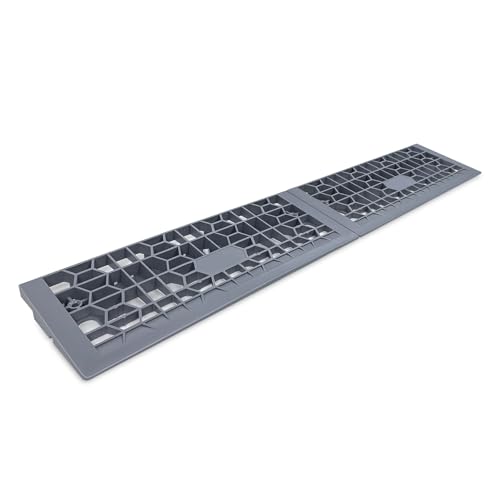
- Two pieces combine to 16- or 32-inch width
- Anti-slip honeycomb surface with drainage
- Lightweight plastic design with cable channel
Best For: Low thresholds requiring adjustable width
Custom-Fit Choice

- 35.4-inch width can be trimmed
- 1.6-inch rise with anti-slip stripes
- Includes tape for smooth floors and tiles
Best For: Custom doorway fits and gentle wheeled transitions
Low-Profile Pick
3/4-Inch Odorless Threshold Ramp
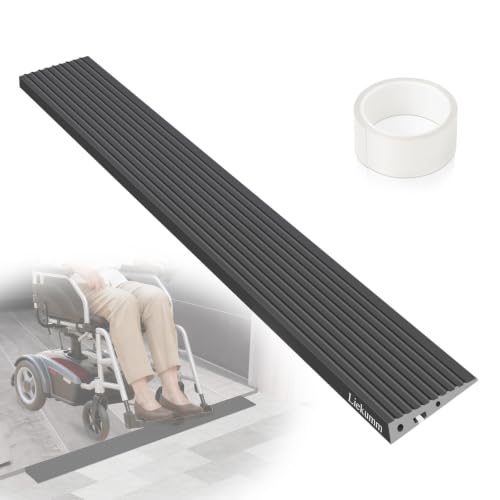
- Low profile for small threshold lips
- 36-inch-wide textured rubber surface
- Trim-capable with cable groove and tape
Best For: Low door thresholds, walkers, strollers, and robot vacuums
Low-Profile Doorway Pick

- Low 3/8-inch rise
- 35.5-inch width for doorways
- Cuttable with adhesive strips included
Best For: Door sills, walkers, wheelchairs, and robot vacuums
Maximum-Capacity Curb Option
2-Inch Heavy-Duty Rubber Curb Ramp

- 33,069-pound stated capacity
- Two pieces connect to 77 inches
- Drainage channels and mounting hardware
Best For: High-traffic vehicle, garage, and outdoor access
Best Compact Threshold Ramp

- Supports up to 2,000 pounds
- Grooved non-slip surface
- Can be trimmed or placed side by side
Best For: Low door sills, mobility devices, carts, and robot vacuums
Best Heavy-Duty Threshold Ramp
4-Inch Rubber Cable-Cover Ramp
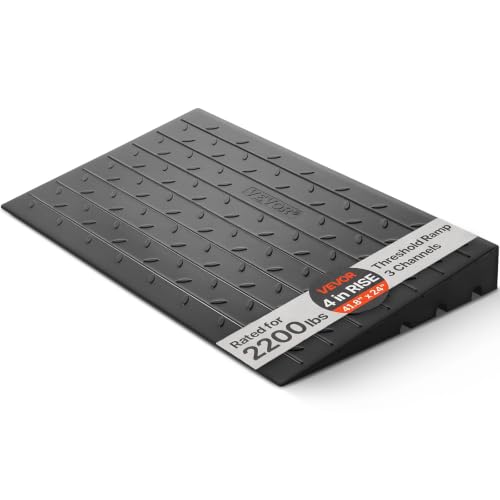
- Supports up to 2,200 pounds
- Includes three cable channels
- Heavy 65-pound one-piece design
Best For: Larger gaps, garage entries, curbs, and cable-crossing areas
Best Wide Mid-Height Threshold Ramp

- Supports up to 2,000 pounds
- Textured tread and gripping base
- Tool-free setup with cable channels
Best For: 3-inch transitions at doorways, garages, curbs, and steps
Heavy-Duty Pick – 3-Inch Rubber Threshold Ramp
For shoppers comparing threshold ramps under 100, this VEVOR model is a substantial 3-inch rise option for doorways, garages, gardens, and other uneven transitions. Its one-piece rubber construction offers a broad 35.5-inch width, beveled edges, and a grooved surface for traction.
Best For: Wheelchairs, scooters, carts, and household vehicles navigating higher thresholds or curb-like transitions.
Pros:
- 3-inch rise with beveled edges for smoother approaches from multiple directions
- 35.5-inch width accommodates wheelchairs up to approximately 26.8 inches wide
- Non-slip grooved rubber surface and listed 2,200-pound capacity
- One-piece design requires no tools and can be used indoors or outdoors
Cons:
- At about 29 pounds, it is heavier than smaller portable threshold ramps
- The 3-inch height may be more ramp than needed for low thresholds
- Notes mention a slight rubber smell when new
This is a strong choice when stability and a higher rise matter more than compact portability. Confirm the threshold height, available landing space, and ramp width before buying.
Modular Value – Detachable 1-Inch Threshold Ramp Set
This ROBLOCK set stands out among threshold ramps under 100 for its two-piece modular design. The sections can be used separately or combined into a 16-inch or 32-inch-wide ramp, making it adaptable to different home steps, doorways, and vehicle access points.
Best For: Low 1-inch thresholds where adjustable width, low weight, and indoor-friendly plastic construction are priorities.
Pros:
- Two detachable pieces can be configured for 16-inch or 32-inch width
- Honeycomb anti-slip design supports drainage and reduces waterlogging
- Plastic construction is described as odor-free and suitable for indoor use
- Built-in cable channel helps protect cables beneath the ramp
Cons:
- Supplied notes say bolts are not included
- The 1-inch rise is not intended for taller thresholds
- Installation uses adhesive or bolts, so placement should be planned carefully
Choose this set when a low, configurable transition is more useful than a heavy, permanent ramp. Measure both the threshold and the desired passage width, and verify which installation method suits the surface.
Custom-Fit Choice – Cuttable 1.6-Inch Rubber Ramp
For threshold ramps under 100 that need a tailored fit, this VEVOR model has a 35.4-inch width that can be cut to match a particular doorway or transition. The 1.6-inch rise, striped surface, and included double-sided tape make it suited to smooth tiles, bathrooms, driveways, and other locations.
Best For: Users who need to trim ramp width for a custom doorway installation or a gentle transition for wheeled equipment.
Pros:
- Cuttable 35.4-inch width adapts to different threshold sizes
- 1.6-inch rise provides a gentler transition than taller ramps
- Natural rubber construction with anti-slip stripes for traction
- Includes double-sided tape for securing the ramp to smooth floors or tiles
Cons:
- Cutting is required if the full width does not fit the installation area
- Tape-based securing is specifically described for smooth surfaces
- Notes mention a slight rubber smell that may need airing out
This model is a practical middle ground between a low threshold profile and a broad rubber base. Check the surface compatibility and plan the cut carefully, since trimming changes the ramp’s final width.
Low-Profile Pick – 3/4-Inch Odorless Threshold Ramp
This LIEKUMM ramp is a compact option for shoppers seeking threshold ramps under 100 for small lips and low door transitions. It measures 36 inches wide and approximately 3/4 inch high, with a textured rubber surface, double-sided tape, and a cable groove.
Best For: Low indoor or outdoor thresholds used by wheelchairs, walkers, scooters, strollers, carts, and robot vacuums.
Pros:
- Low 3/4-inch profile helps address small threshold changes
- 36-inch width provides broad passage coverage
- Textured surface is designed to resist slipping, including when wet
- Can be trimmed, combined with additional ramps, or secured with included tape
Cons:
- The low rise will not cover taller thresholds
- Double-sided tape may not suit every floor surface
- Its 4-inch depth leaves less approach length than deeper ramps
Consider this ramp when the obstacle is modest and a discreet transition is preferred. Measure the threshold carefully, especially the height and available approach depth, before installation.
Heavy-Duty Value Pack – 2-Inch Rubber Threshold Ramps
If you need threshold ramps under 100 for vehicles or wheeled equipment, this two-pack offers a practical 2-inch transition height and a stated 5,000-pound load capacity. The heavy-duty rubber construction is suited to garages, driveways, warehouses, and sidewalks.
Best For: Cars, motorcycles, trailers, lawn mowers, wheelchairs, strollers, and other wheeled equipment.
Pros:
- Two ramps can cover separate locations or create a wider entry point.
- 2-inch rise supports transitions over curbs, thresholds, and uneven surfaces.
- Rubber construction is weather-resistant and provides traction.
- Rated for up to 5,000 pounds.
Cons:
- At 13.8 inches wide per ramp, larger vehicle access may require positioning both pieces together.
- The 2-inch rise may be more than needed for very low door thresholds.
This is a versatile pick when you want a two-piece rubber ramp set with substantial stated capacity and broad outdoor or garage usability.
Low-Profile Doorway Pick – 3/8-Inch Rubber Doorway Ramp
For threshold ramps under 100 aimed at small indoor transitions, this LIEKUMM model uses a low 3/8-inch rise and a 35.5-inch width. Its cuttable rubber design and included adhesive strips make it convenient for doorways, sills, and robot vacuum transitions.
Best For: Wheelchairs, walkers, carts, robot vacuums, and low doorway thresholds.
Pros:
- Low-profile design helps smooth transitions over small raised door edges.
- Grooved surface improves traction in dry or damp conditions.
- Can be trimmed or spliced for customized coverage.
- Includes adhesive backing for installation without drilling on smooth floors.
Cons:
- Its 3/8-inch rise is intended for small transitions rather than curbs or tall steps.
- Only one ramp is included.
- The stated load capacity is 2,500 pounds, lower than some heavy-duty vehicle ramps.
This is the most targeted choice here for indoor accessibility and doorway transitions, especially when a precise, low profile matters more than maximum height.
Maximum-Capacity Curb Option – 2-Inch Heavy-Duty Rubber Curb Ramp
Among threshold ramps under 100, this VEVOR two-pack stands out for its stated 33,069-pound capacity and vehicle-focused design. Each 2-inch-high ramp includes drainage channels, anti-slip features, and pre-drilled mounting holes with expansion screws.
Best For: SUVs, pickups, motorcycles, lawn mowers, trailers, garages, patios, and high-traffic curb crossings.
Pros:
- Very high stated load capacity for frequent vehicle use.
- Two pieces connect to provide a total length of 77 inches.
- Drainage channels help direct rainwater away and provide space for cables or pipes.
- Mounting hardware helps keep the ramps from shifting under pressure or vibration.
Cons:
- At 5.9 inches wide per piece, each ramp is narrower than the other listed options.
- The 22.1-pound set is relatively substantial for moving between locations.
- The vehicle-oriented design may be more than needed for lightweight indoor doorway use.
This is a strong fit when stability, drainage, and exceptional stated capacity are priorities for outdoor or garage vehicle access.
Best Compact Threshold Ramp – 1-Inch Rubber Doorway Ramp
For shoppers comparing threshold ramps under 100, this 1-inch rubber model is a practical choice for low door sills and small transitions. Its 35.5-inch width can be trimmed for narrower openings or paired with another ramp for wider access points.
Best For: Wheelchairs, power chairs, mobility scooters, carts, bicycles, and robot vacuums crossing low indoor or outdoor thresholds.
Pros:
- Supports up to 2,000 pounds.
- Grooved surface improves traction in wet or dry conditions.
- Flexible rubber construction works indoors and outdoors.
- Included adhesive strips help reduce shifting on clean, smooth surfaces.
Cons:
- Designed for only a 1-inch rise.
- May have a mild rubber odor or slight curve when first unpacked.
- Requires measuring and possible trimming before installation.
This is a versatile low-profile option when the threshold height matches its 1-inch rise. The cut-to-fit design and adhesive strips add installation flexibility, while the grooved rubber surface supports everyday access.
Best Heavy-Duty Threshold Ramp – 4-Inch Rubber Cable-Cover Ramp
Among threshold ramps under 100, this 4-inch rubber ramp stands out for heavy-duty access over taller gaps. Its broad, weighty design includes three cable channels, making it useful where cords, hoses, or wires cross the entry path.
Best For: Garage entrances, curbs, porches, door thresholds, wheelchairs with assistance, scooters, walkers, vehicles, and homes with pets.
Pros:
- Supports up to 2,200 pounds.
- Raised-button surface provides slip resistance.
- Three channels help protect cables, wires, and hoses.
- One-piece construction requires no assembly or tools.
Cons:
- At 65 pounds, it is less convenient to move than lighter ramps.
- The approximately 14-degree incline is steep for some wheelchair users.
- Independent wheelchair users with severe mobility impairments may need another solution or assistance.
This ramp prioritizes stability, load capacity, and cable management over portability. Its 4-inch rise can bridge larger gaps, but the steep incline means buyers should assess the user’s mobility and plan for assistance when needed.
Best Wide Mid-Height Threshold Ramp – 3-Inch Rubber Doorway Ramp
This 3-inch model is a strong contender for threshold ramps under 100 when you need more rise than a low-profile sill ramp. Its 41.34-inch length and 13-inch width accommodate wheelchairs up to 35 inches wide, along with walkers, strollers, scooters, and hand trucks.
Best For: Doorways, garage entries, curbs, steps, barns, and commercial access points requiring a 3-inch transition.
Pros:
- Supports up to 2,000 pounds without deformation according to the supplied specifications.
- Grooved tread and a gripping rubber base improve stability.
- One-piece design deploys without tools or assembly.
- Under-ramp channels help protect wires, hoses, and cords.
Cons:
- Its 13-inch width may not suit every entryway or mobility device.
- The 3-inch rise requires accurate threshold measurement before ordering.
- Rubber construction may be less convenient to carry than a lighter ramp material.
This option balances a moderate 3-inch rise with a wide, textured surface and portable placement. It is especially practical for temporary or semi-permanent access where tool-free setup and cable protection are useful.
How We Picked the Best Threshold Ramps Under 100
We focused on practical features that affect safety and everyday usability: compatible threshold height, ramp width, load capacity, surface traction, construction, portability, and value. The selection includes low-profile ramps for small lips, taller models for raised entries, cuttable designs for custom fitting, and heavy-duty options for wheelchairs, scooters, carts, and equipment.
Because doorway dimensions vary, product specifications should be checked against your actual threshold before ordering. A ramp that is too tall or too narrow can create an uncomfortable or unsafe transition.
Quick Comparison
| Feature | What to Look For | Best For |
|---|---|---|
| Rise height | Close match to the threshold | Stable, gradual entry |
| Width | Wide enough for the device and user | Wheelchairs, scooters, and carts |
| Material | Solid rubber or durable molded construction | Indoor and outdoor use |
| Surface | Textured or non-slip finish | Better traction in daily use |
| Extra features | Cuttable sections, drainage, or cable channels | Special doorway layouts |
Key Buying Factors for Threshold Ramps Under 100
Measure the Rise First
Measure from the lower floor surface to the highest point of the threshold. Choose a ramp designed for that height rather than relying on a close visual match. Low-rise models around 3/8 to 1 inch suit small lips, while 2-, 3-, and 4-inch ramps address taller entries.
Check Width and Approach Space
The ramp should provide enough usable width for the wheelchair, walker, scooter, or cart. Also measure the space in front of and behind the doorway. A taller ramp needs a longer approach to create a manageable slope.
Prioritize Traction and Stability
Non-slip textures and heavy rubber construction can help reduce movement, especially near exterior doors. Confirm that the base sits flat and that the ramp does not rock under load. Outdoor placement may also benefit from drainage channels or openings.
Match Capacity to Real Use
Consider the combined weight of the person, mobility device, and carried items. High stated capacities are useful, but the supporting floor and threshold must also be solid and in good condition.
Consider Fit and Portability
Cuttable ramps can be useful when a standard width does not fit. Detachable and portable designs are better for renters, temporary access, or moving between vehicles and doorways. Heavy rubber ramps usually stay in place more effectively but are less convenient to carry.
Who Should Buy Which Threshold Ramps Under 100?
- For a very small threshold: Choose a 3/8-inch or 3/4-inch ramp for a subtle transition.
- For standard raised doorways: A 1- or 1.6-inch model offers a practical middle ground for many home entries.
- For taller thresholds: Consider a 2-, 3-, or 4-inch ramp, while confirming there is enough approach distance.
- For frequent relocation: Select a detachable or portable option that is easier to handle.
- For outdoor or utility use: Look for textured rubber, drainage features, and enough width for the equipment being moved.
The best threshold ramps under $100 are the ones that match your measured rise, available floor space, and mobility equipment. Confirm dimensions, capacity, and placement conditions before buying.