Choosing the right patient transfer board can make everyday moves safer, smoother, and less physically demanding for caregivers and users.
Below, we focus on practical differences like board length, weight capacity, surface design, and handle placement so you can compare options quickly.
Best 10 Patient Transfer Board Picks for 2026
Heavy-Duty Wood Transfer Board
DMI 30 x 8 in Patient Slide Board

- Sealed Scotch pine wood construction
- Two rounded cutout handles
- 440 lb weight capacity
Best For: Compact everyday assisted transfers
Wide Semi-Rigid Board
SafetySure TransferEase 22 x 72 in

- Low-friction semi-rigid polyethylene
- 12 built-in handles
- Anti-static finish, 400 lb rating
Best For: Longer clinical transfers and repositioning
High-Capacity Wood Transfer Board
DMI 32 x 10 in Heavy-Duty Slide Board

- Wider 32 x 10 in wooden board
- Rated to 735 lb
- Two rounded cutout handles
Best For: Heavier users needing extra support
Wide Radiolucent Slider Board
72 x 22 in MR Safe Transfer Board

- Radiolucent and MR safe
- 12 handles for control and storage
- Anti-static polyethylene build
Best For: Imaging-friendly hospital transfers
Heavy-Duty Wooden Pick
Wood Slide Transfer Board with 2 Cut out Handles

- Hardwood build rated up to 500 lbs
- Two cutout handles improve grip and control
- Smooth sealed surface helps reduce scratching
Best For: Seniors, wheelchair users, and caregivers needing a sturdy everyday transfer aid
Wide Anti-Static Choice
Anti-Static Patient Transfer Board 22" Wide

- Anti-static material helps prevent charge buildup
- Designed for supine patients and two assistants
- Wide 22-inch format supports clinical transfers
Best For: Supine patient transfers in clinical or assisted-care settings
Complete Transfer Kit
Transfer Board and Slide Sheet Bundle

- Includes a transfer board and matching slide sheet
- Anti-slip back and curved edges add stability and comfort
- Three handles make positioning easier
Best For: Caregivers wanting an all-in-one transfer setup for multiple moves
Rotating Seat Transfer Aid

- 360° rotating PU seat for assisted repositioning
- Curved slot supports smoother lateral movement
- Plywood build with 440 lb capacity
Best For: caregiver-assisted transfers between common seated surfaces
Grip-Handle Slide Board
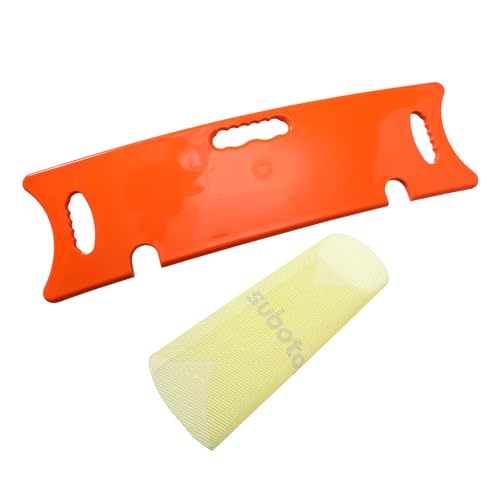
- Smooth ABS surface supports controlled sliding
- 10-inch non-slip pad adds extra traction
- Three handles help with placement and handling
Best For: caregivers wanting a slim board with built-in grips
Large PU Pad Transfer Board

- Larger 33 x 12 inch board gives more room
- 360° seat and slot aid angled transfers
- Handles and notches add stability and fit
Best For: home care transfers that benefit from a bigger board
Heavy-Duty Wood Transfer Board – DMI 30 x 8 in Patient Slide Board
This patient transfer board is a simple, practical option for moving someone between a wheelchair, bed, chair, sofa, or commode. The heavy-duty wood build and tapered, sanded surface are designed to support smoother slide transfers while helping reduce snagging and friction.
Best For: Caregivers and users who want a compact wooden slide board for everyday transfers with a higher weight rating.
Pros:
- Heavy-duty Scotch pine construction with a smooth, sealed finish
- Rounded, cutout handles for leverage and grip
- Rated to hold up to 440 pounds
- Compact 30 x 8 x 1-inch size for common transfer needs
Cons:
- Shorter length may not suit every transfer situation
- Wood design is less specialized than long, semi-rigid transfer boards
For buyers who want a straightforward patient transfer board in a more compact size, this model covers the basics well. Its sealed wood surface and cutout handles make it a sensible fit for routine assisted transfers.
Wide Semi-Rigid Board – SafetySure TransferEase 22 x 72 in
This patient transfer board is built for smoother repositioning across beds, stretchers, and imaging tables, especially where there are small height differences. Its semi-rigid polyethylene design and low-friction finish make it a strong option for clinical transfer workflows.
Best For: Facilities or caregivers who need a long, wide transfer board with multiple handholds and a low-friction surface.
Pros:
- Low-friction surface helps slide patients more smoothly
- 12 built-in handles offer multiple grip points
- Semi-rigid polyethylene construction for durability and flexibility
- Anti-static finish for added handling comfort
Cons:
- Large 72-inch length takes up more storage space
- 400 lb rating is lower than some heavy-duty wood alternatives
This is a practical pick when the transfer path is longer or when bridging uneven surfaces matters more than compact size. The handle layout and anti-static coating add useful convenience in busy care settings.
High-Capacity Wood Transfer Board – DMI 32 x 10 in Heavy-Duty Slide Board
This patient transfer board is a heavier-duty wooden option made for assisted moves between a wheelchair, bed, chair, sofa, or commode. With a wider profile and a much higher listed weight capacity, it is aimed at users who need extra support during slide transfers.
Best For: Users who want a wider wooden patient transfer board with a very high weight capacity.
Pros:
- Holds up to 735 pounds
- Wider 32 x 10 x 1-inch size for added surface area
- Rounded, cutout handles for grip and leverage
- Sealed wood surface is designed for frictionless transfers
Cons:
- Heavier than smaller wooden boards at 4.14 pounds
- Wood construction may be less specialized than semi-rigid medical boards
If your priority is capacity and a wider transfer surface, this model stands out in the DMI lineup. It keeps the familiar wooden-board format while offering more size and load support than the smaller version.
Wide Radiolucent Slider Board – 72 x 22 in MR Safe Transfer Board
This patient transfer board is designed for smooth transfers in healthcare environments, especially when the board needs to remain under the patient during procedures. The radiolucent, MR-safe polyethylene construction makes it a specialized choice for imaging-compatible workflows.
Best For: Hospitals and imaging settings that need a radiolucent, MR-safe transfer board with strong handling support.
Pros:
- Radiolucent and MR safe for imaging use
- 12 strategically placed handles for positioning and storage
- Rounded-edge polyethylene construction
- Anti-static coating helps reduce sticking
Cons:
- Large 72 x 22-inch size is not very portable
- Specialized features may be more than casual home users need
This board makes the most sense when imaging compatibility is part of the transfer process. Its combination of smooth handling, storage-friendly handles, and MR-safe design gives it a clear clinical focus.
Heavy-Duty Wooden Pick – Wood Slide Transfer Board with 2 Cut out Handles
If you want a straightforward patient transfer board for bed-to-wheelchair or chair-to-chair moves, this wooden slide board focuses on strength and simple handling. The smooth, sealed hardwood surface is made to help a patient glide while reducing strain on caregivers, and the cutout handles add control during positioning.
Best For: Seniors, wheelchair users, postoperative patients, and caregivers who want a sturdy, easy-grip transfer aid for home or outdoor use.
Pros:
- Heavy-duty hardwood construction with a load capacity up to 500 lbs.
- Two cutout handles offer easy grip and support.
- Smooth, sealed surface is designed to help prevent scratching skin or clothing.
- Works for transfers between bed, wheelchair, stool, and similar positions.
Cons:
- No anti-slip backing is mentioned in the supplied notes.
- At 24 x 8 inches, it may feel compact for some transfer setups.
This is a practical option if durability and a simple grab-and-go design matter most. It is best suited to users who want a solid patient transfer board with basic handling features and a high weight rating.
Wide Anti-Static Choice – Anti-Static Patient Transfer Board 22" Wide
This patient transfer board is built for supine transfers and wider support, making it a more specialized option for clinical care settings. Its anti-static material is designed to prevent static buildup, and the board is intended for use by two assistants during patient movement.
Best For: Clinical teams or caregivers transferring supine patients who need a wide, anti-static board with two-assistant handling in mind.
Pros:
- Designed specifically for transferring supine patients.
- Anti-static material helps prevent static charge buildup.
- 22-inch width provides a broad transfer surface.
- Intended for use by two assistants.
Cons:
- Very large size may be less convenient for home storage or transport.
- No handles or portability features are highlighted in the notes.
If you need a wider, more specialized transfer board for assisted patient movement, this model is geared toward that use case. It is less of an all-purpose mobility aid and more of a practical clinical transfer tool.
Complete Transfer Kit – Transfer Board and Slide Sheet Bundle
For buyers who want a patient transfer board plus a slide sheet in one package, this bundle is designed to make repositioning simpler and more efficient. The board has an anti-slip back, curved edges, and three handles, while the included slide sheet adds extra help when moving a patient from a wheelchair to a car, toilet, or tub.
Best For: Caregivers and patients who want a bundled transfer solution with added grip, a slide sheet, and a smoother transfer process.
Pros:
- Includes both a 31.5 x 8 inch transfer board and a 28 x 28 inch slide sheet.
- Anti-slip backing helps keep the board more secure during use.
- Three-handle design offers easier grasping and control.
- Curved, smooth edges are made not to scratch the user.
Cons:
- Bundle may be more than needed if you only want a basic board.
- At 4.85 pounds, it is heavier than simpler wooden options.
This bundle stands out for convenience and versatility rather than minimalism. It is a strong pick if you want a transfer board that comes ready with an extra slide sheet and safety-minded design features.
Rotating Seat Transfer Aid – 360° Sliding Seat Board
This patient transfer board uses a round PU sliding seat and curved track to support assisted lateral transfers between a wheelchair, bed, chair, toilet, or car. The rotating seat is designed to help reposition a user more smoothly, while the plywood board keeps the setup lightweight enough for everyday caregiver use.
Best For: Caregiver-assisted transfers where easier repositioning and a wider transfer path matter.
Pros:
- 360° rotating sliding seat helps with positioning during transfers
- Curved track supports controlled movement from one side of the board to the other
- Plywood board with PU pad balances support and seated comfort
- 440 lb capacity suits many home care and rehab routines
Cons:
- Requires stable, aligned transfer surfaces for best results
- Designed for supported seated transfers, not unsupported movement
Overall, this is a practical option if you want a patient transfer board that adds rotational assistance to a standard sliding setup. Its larger format and cushioned seat make it especially useful when caregivers need more control over position changes.
Grip-Handle Slide Board – ABS Transfer Board with Pad
This patient transfer board is built for controlled lateral moves between common surfaces like a bed, sofa, toilet, or wheelchair. Its smooth ABS finish, tapered ends, and included non-slip round pad are aimed at making placement and sliding feel more manageable during everyday transfer routines.
Best For: Users and caregivers who want a slim, handle-equipped transfer board with extra grip accessories.
Pros:
- High-density ABS polymer provides a smooth glide surface
- Includes a 10-inch non-slip round pad for extra traction
- Three built-in handles help with lifting, placing, and repositioning
- Tapered ends and side notches help reduce catching on edges
Cons:
- At 29.5 inches long, it may feel compact for some transfer setups
- Always requires careful test fitting before regular use
For shoppers who value grip points and a simple, low-profile design, this board offers a practical mix of handling and slide support. The added pad and handle layout make it stand out for day-to-day assisted transfers.
Large PU Pad Transfer Board – 33-Inch Assisted Slide Board
This patient transfer board combines a 360° sliding seat, sliding slot, and grab handles to help with assisted transfers from a wheelchair to a bed, toilet, or bathtub. The larger 33-inch by 12-inch format and plywood construction are aimed at giving caregivers more room and support during everyday mobility tasks.
Best For: Caregiver-assisted transfers where a larger board and added stability features are helpful.
Pros:
- 360° sliding seat and slot help turn the user to the desired angle
- Notches are designed to fit around wheelchair tires or chair legs
- Grab handles add stability during positioning and use
- 440 lb load capacity and FSA/HSA eligible listing add practical appeal
Cons:
- Larger size may be less convenient for storage or travel
- Still intended for supported, caregiver-assisted transfers
This is a strong choice if you want a patient transfer board with a larger surface and more built-in control features. Its size, handles, and rotating seat design make it well suited to home care setups where stability is a priority.
How We Picked the Best Patient Transfer Board
We looked for boards that support common transfer needs between wheelchairs, beds, toilets, and vehicles. The most useful options balance stability, low-friction sliding, durable materials, and sizes that match real-world transfer distances.
We also favored boards with clear usability advantages such as cut-out handles, wider surfaces, anti-static materials, or integrated slide features. FSA/HSA eligibility was treated as a helpful bonus, not the main deciding factor.
Quick Comparison
Wood boards are usually the simplest and most affordable choice, especially for straightforward seated transfers. Wider or longer boards can offer more clearance and a gentler bridge between surfaces, but they may be less convenient to store or position.
Specialty designs, such as anti-static or padded sliding models, may be better for users who need extra comfort or reduced friction. If you want a versatile Patient Transfer Board for multiple locations, prioritize length, width, and surface finish over extra features.
Key Buying Factors for a Patient Transfer Board
Size and Transfer Distance
Match the board length to the gap between surfaces. Longer boards can help with bigger height differences, while shorter boards may be easier to maneuver in tight spaces.
Material and Surface
Wood boards are durable and widely used, but a smoother finish can make transfers easier. Low-friction or sliding surfaces may reduce effort for both user and caregiver.
Width and Stability
A wider board can feel more secure, especially for users who need additional support during lateral moves. Just make sure the width still works with the chair arms and surrounding space.
Handles and Grip Points
Cut-out handles can help with placement, repositioning, and control. They do not replace proper transfer technique, but they can make the board easier to manage.
Use Case and Environment
Think about where the board will be used most often: home, care facility, car transfers, or bathroom transfers. A board that performs well in one setting may not be the best all-purpose choice.
Who Should Buy Which Patient Transfer Board?
If you want a basic, dependable option, a standard heavy-duty wood board is often the best starting point. If comfort and smoother motion matter most, look at boards with sliding or padded features.
Caregivers handling frequent transfers may prefer longer, wider models for flexibility, while users with limited upper-body strength may benefit from boards designed to minimize friction. For buyers using health spending accounts, FSA/HSA eligible options can make a practical upgrade easier to justify.
In short, the best Patient Transfer Board is the one that fits the user’s mobility level, the transfer distance, and the space where it will actually be used.