Choosing the right patient transfer sling can make daily care safer, smoother, and less physically demanding for both caregivers and patients.
In this roundup, we focus on practical options for bed-to-chair moves, bathing, toileting, standing support, and emergency-style transfers.
Best 10 Patient Transfer Sling Picks for 2026
Mesh Full-Body Transfer Sling
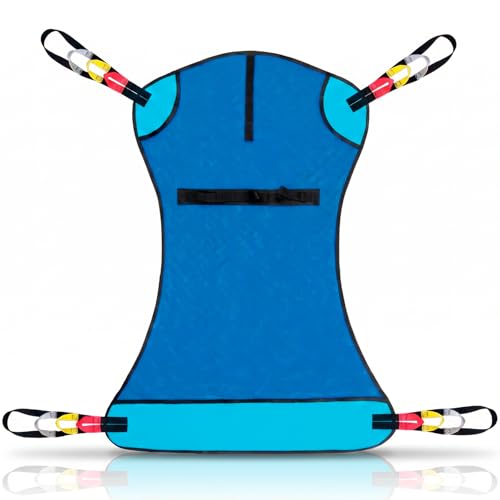
- Breathable water-resistant mesh
- 4 sling points plus 3 handles
- Supports up to 400 lb
Best For: Home care transfers, repositioning, and shower use
Heavy-Duty Commode Sling

- Commode opening for toileting
- Machine washable for wet/dry use
- Up to 600 lb capacity
Best For: High-capacity transfers with toileting support
Emergency Transfer Pad

- Lightweight polyester transfer pad
- 4 handles with extra fixed bands
- Supports up to 200 lb
Best For: Assisted bed-to-chair and emergency transfer moves
Heavy-Duty Mesh Pick

- 500 lb safe working load
- Breathable mesh with wide thigh padding
- Color-coded loops for easier attachment
Best For: Full-body transfers in home care, nursing homes, and hospitals
Stability Upgrade Pick
Transfer Sling with Metal Buckle

- Metal buckle strap for added stability
- Six reinforced handles for multiple grip points
- Includes bed-rail attachment for positioning support
Best For: Home use when stability and caregiver grip are top priorities
Versatile Stair-Assist Pick

- Supports transfers to beds, commodes, and car seats
- Robust straps and buckles for safer handling
- Rubber hand grips improve caregiver control
Best For: Chair-centered transfers and portable mobility assistance
Toileting Full-Body Sling
Vive Patient Lift Sling with Opening

- Supports bed, wheelchair, shower, sofa, and commode transfers
- Mesh sling is breathable, water-resistant, and machine washable
- Four sling points, three hand grips, and 400 lb capacity
Best For: Caregivers who need a full-body sling with toileting access
Transfer Pad Sling Seat
Wheelchair to Car/Bed Transfer Belt

- Supports wheelchair, bed, car, and seated transfer routines
- Eight sponge handles and fixing straps improve control
- Waterproof nylon surface is durable and easy to clean
Best For: Seated transfers and supervised mobility assistance
Padded Gait-Belt Sling
Vive Transfer Sling Padded Assist Belt

- Ten padded handles for more controlled transfers
- Non-slip lining and optional waist belt add security
- Supports transfers to bed, wheelchair, car, and commode
Best For: Caregivers wanting a padded, secure assisted-transfer sling
Mesh Full-Body Transfer Sling – Vive Light Transfer Sling
If you need a patient transfer sling for safer bed, wheelchair, commode, or shower moves, this Vive model is built for everyday repositioning with a breathable mesh design. The four sling points and added hand grips make it a practical option for caregivers who want more control during transfers.
Best For: Home caregivers who want a water-resistant mesh sling for lifting, repositioning, and shower use.
Pros:
- Four sling points work with most floor lift models.
- Three additional hand grips help with repositioning from different angles.
- Water-resistant mesh is breathable and machine washable.
- Supports up to 400 pounds and includes reinforced stitching.
Cons:
- Designed as a full-body mesh sling, so it may be more than needed for simple standing assistance.
- Best fit depends on compatibility with your lift system.
This is a straightforward pick if you want a versatile patient transfer sling with helpful grab points and wet-environment utility. The 1-year guarantee and HSA/FSA eligibility add extra appeal for home care buyers.
Multi-Handle Mobility Sling – Heavy Duty Transfer Belt
This patient transfer sling is shaped more like a transfer belt, making it useful when you need controlled assistance for bed, wheelchair, car, or commode moves. The nylon and knitted mesh construction is meant to feel softer against the body while the wide contact area helps reduce skin damage during pulling.
Best For: Caregivers who want a multi-handle transfer belt for assisted standing, repositioning, and short transfers.
Pros:
- Five handles at each end offer flexible gripping positions.
- Wide back contact area is designed to help prevent skin damage.
- Adjustable waist strap includes a quick release buckle.
- Rated to support up to 330 pounds.
Cons:
- Not intended for one-person transfers; the notes advise two caregivers for safe use.
- More of a transfer belt than a full-body sling.
For users who need a practical mobility aid rather than a full lift pad, this model keeps things simple with multiple handles and a secure waist strap. It is best suited to assisted transfers where caregivers can work together.
Heavy-Duty Commode Sling – ProHeal Full Body Mesh
If you want a patient transfer sling for showering and toileting, this ProHeal full-body mesh model is built with a commode opening and a high weight capacity. It is designed for use with many common lift brands, which makes it a strong fit for buyers replacing an existing sling or shopping for a more universal option.
Best For: Bariatric and regular users who need a full-body mesh sling with a commode opening and broad lift compatibility.
Pros:
- Commode opening supports toileting transfers.
- Machine washable and suitable for wet or dry environments.
- Compatible with many lift brands, including Joerns Hoyer, Drive, Lumex, and others.
- Each size supports up to 600 pounds.
Cons:
- Correct sizing matters, and the listing specifically directs buyers to the sizing guide.
- Cleaning instructions are less intensive than some options, but it is still a reusable sling that needs care.
This is a solid choice when toileting support and higher capacity are priorities. The broad compatibility and multiple size options make it one of the more flexible patient transfer sling picks in this group.
Emergency Transfer Pad – 4-Handle Lifting Sling
This patient transfer sling is a lightweight transfer pad built for moving a patient between a bed, wheelchair, car, or another chair. With four handles and reinforced stitching, it is aimed at giving caregivers a more secure grip during transport and emergency evacuation situations.
Best For: Emergency or daily transfer situations where multiple caregivers need a simple, lightweight lifting pad.
Pros:
- Four handles help distribute weight more evenly.
- Extra fixed band tightens at the waist and thigh for added hold.
- Polyester fabric is durable and reusable.
- Works for bed, wheelchair, car, and chair transfers.
Cons:
- Rated weight limit is 200 pounds, which is lower than some other sling options.
- Notes say two or three caregivers are needed for moving the patient.
If you need a simple transfer aid for guided moves rather than full lift support, this pad-style sling keeps the design lightweight and straightforward. Its lower capacity makes it best for lighter-duty transfer needs and assisted handling.
Heavy-Duty Mesh Pick – 500lbs Mesh Full Body Sling
This patient transfer sling is built for caregivers who need a full-body lift option with broad use across bed-to-chair, wheelchair, and toilet transfers. The mesh construction and wide thigh padding are designed to improve comfort while the 500 lb safe working load adds reassurance in home care, nursing home, and hospital settings.
Best For: Safe full-body transfers for elderly or disabled users who need breathable support and broad scene compatibility.
Pros:
- 500 lb safe working load for dependable support
- Breathable mesh fabric helps airflow during longer use
- Wide padding at the thighs helps reduce pressure points
- Color-coded hanging loops make attachment easier and more consistent
Cons:
- Designed for lift-based transfers, so it may not suit users wanting a simple repositioning aid
- Rear adjustment straps add flexibility, but setup may take a little more attention
Overall, this is a practical patient transfer sling for routine full-body transfers where comfort, load capacity, and easy cleaning matter. The machine-washable build and reinforced stitching make it a solid choice for repeated care use.
Stability Upgrade Pick – Transfer Sling with Metal Buckle
This patient transfer sling focuses on stability and caregiver control, making it a practical option for bed, wheelchair, sofa, and similar transfers. The upgraded metal buckle, six reinforced handles, and non-slip design are meant to help keep the user secure while giving caregivers multiple grip points.
Best For: Home caregivers who want a transfer sling with extra stability, hand grips, and bed-rail support.
Pros:
- Metal buckle strap adds extra stability
- Six reinforced hand grips support multiple transfer angles
- Non-slip lining helps prevent sliding or bunching
- Includes a bed-rail attachment accessory for positioning support
Cons:
- 330 lb support limit is lower than some heavier-duty lift slings
- Best suited to transfer and positioning assistance rather than full-body lift use
For users who want a more hands-on transfer solution, this sling offers a strong mix of grip, stability, and versatility. The extra-wide surface also helps spread weight more comfortably during everyday care tasks.
Versatile Stair-Assist Pick – Vive Chair Transfer Sling
This patient transfer sling is aimed at chair-based transfers and versatile mobility support, including movement between wheelchairs, beds, commodes, and even car seats. With robust straps, buckles, and rubber hand grips, it is designed to help caregivers manage transfers more confidently.
Best For: Chair transfers and multi-scenario mobility assistance for adults who need a versatile transfer aid.
Pros:
- Works across chairs, beds, commodes, and car seats
- Robust straps and buckles add safety and security
- Rubber hand grips help caregivers maintain control during transfers
- Durable construction is built for lasting performance
Cons:
- Positioned as a chair transfer sling, so it is not a full-body lift sling
- Comfort-focused details like mesh or padding are not highlighted in the supplied specs
As a transfer board alternative, this Vive model is a useful pick when you want a portable aid for chair-centered movement. The 60-day guarantee adds a bit of extra confidence for buyers comparing similar patient transfer sling options.
Toileting Full-Body Sling – Vive Patient Lift Sling with Opening
If you need a patient transfer sling for bed, wheelchair, shower, or commode use, this Vive model is built around safer full-body lifting and easier toileting. The mesh construction is breathable and water-resistant, while the reinforced opening supports bathroom use without adding unnecessary complexity for caregivers.
Best For: Home care, elder care, and bariatric users who need a full-body sling with a toileting opening.
Pros:
- Supports transfers to and from bed, wheelchair, shower, sofa, and commode
- Four sling points plus three additional hand grips help with repositioning
- Mesh material is breathable, water-resistant, and machine washable
- Reinforced stitching and 400 lb capacity add confidence for heavier users
Cons:
- Designed for compatible floor lift models, so fit needs to be checked first
- Full-body style may be more sling than needed for simple seated transfers
For buyers who want a patient transfer sling that emphasizes toileting access and broad transfer versatility, this is a strong practical option. The added handles and durable build make it especially useful when caregivers need more control during repositioning.
Transfer Pad Sling Seat – Wheelchair to Car/Bed Transfer Belt
This patient transfer sling takes a flexible approach to moving users between a wheelchair, bed, car, or other seated positions. It combines nylon construction, multiple handles, and securing straps to support assisted sliding transfers in home care, medical transport, or nursing settings.
Best For: Assisted seated transfers and supervised mobility support for people with limited lower-body movement.
Pros:
- Works for wheelchair-to-car, bed, chair, and some stair assist scenarios
- Eight thickened sponge handles offer multiple gripping options for caregivers
- Secure fixing straps help keep the patient in place during transfer
- Waterproof nylon surface wipes clean easily and resists wear
Cons:
- 200 lb capacity is lower than some heavy-duty lift slings
- Best suited to seated sliding transfers rather than full-body lifting
As a transfer aid, this model is geared more toward controlled movement and repositioning than traditional hoist-style lifting. The handle layout and fixed straps should appeal to caregivers who want extra touch points and a compact, portable design.
Padded Gait-Belt Sling – Vive Transfer Sling Padded Assist Belt
For buyers comparing a patient transfer sling that blends support with mobility assistance, this Vive transfer sling is built for safer movement from bed, wheelchair, car, or commode. Its padded handles, non-slip lining, and optional waist belt are aimed at helping caregivers keep a steadier hold during assisted transfers.
Best For: Padded assisted transfers where caregivers want more grip points and a more secure waist fit.
Pros:
- Ten padded handles provide multiple gripping positions
- Non-slip lining helps reduce riding up, slipping, and bunching
- Extra-wide 9.65-inch design adds comfort during use
- Adjustable waist strap with quick release buckle improves convenience
Cons:
- 330 lb capacity is lower than the full-body Vive sling option
- Wipe-clean care is simpler than machine-washable fabric
This is a practical pick if you want a transfer sling that feels more like a guided mobility aid than a full lifting sheet. The combination of padded handles and optional belt makes it easier to manage controlled transfers while keeping the setup straightforward.
How We Picked the Best Patient Transfer Sling Options
We focused on transfer safety, weight capacity, comfort, material quality, and how well each design fits common care tasks. We also looked at whether the sling is suited for full-body lifting, assisted standing, showering, or short-distance movement. A good Patient Transfer Sling should match the user’s mobility level and the caregiver’s method of transfer.
Quick Comparison
Full-body mesh slings are usually the best choice for seated or reclined transfers and for bathing use. Transfer belts and gait-style aids are better for users who can bear some weight and need help standing, pivoting, or taking a few steps. Sling-style evacuation and slide-board options are more task-specific and can be useful for bed-to-wheelchair, stair-assist, or emergency situations.
Key Buying Factors for a Patient Transfer Sling
Support Style
Decide whether you need full-body support, toileting access, shower-friendly mesh, or a standing aid. The more limited the user’s mobility, the more supportive the sling should be.
Weight Capacity and Size
Always check the rated capacity and ensure the sling dimensions fit the person using it. Oversized or undersized products can affect both comfort and transfer stability.
Material and Cleaning
Mesh is helpful for airflow and drying after bathing, while padded designs may be better for longer wear or extra comfort. Care settings often benefit from materials that are easy to wipe down or machine washable.
Attachment and Compatibility
Make sure the sling works with the lift frame, bars, or handles you already have. Compatibility matters just as much as the product type, especially for mechanical lifts and hybrid transfer systems.
Ease of Use
Look for clear strap layouts, secure buckles, reinforced stitching, and handles that make positioning simpler for caregivers. A well-designed Patient Transfer Sling should reduce strain without complicating the transfer process.
Who Should Buy Which Patient Transfer Sling?
Choose a full-body mesh sling if you need broader support for bed, chair, shower, or toileting transfers. Choose a transfer belt or gait aid if the user can participate by standing or bearing partial weight. Choose an evacuation or slide-board style option if you need portability, stair assistance, or emergency movement support. For most households, the best choice comes down to matching the sling to the patient’s mobility level and the caregiver’s typical transfer routine.