The right balance pad can make gentle stability exercises more comfortable while adding a manageable challenge to mobility, rehabilitation, yoga, and strength routines. For older adults, the best choice should feel secure underfoot—not excessively unstable.
We compared ten popular foam balance pads by size, surface grip, cushioning, portability, and suitability for controlled senior-friendly workouts. Use the guide below to match a pad with your balance goals, available space, and support needs.
Best 10 Balance Pads for Seniors Picks for 2026
Best Overall Value
ProsourceFit Exercise Balance Pad
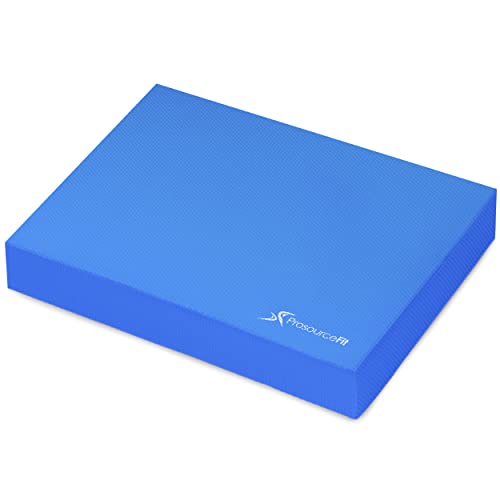
- Lightweight, portable 12-ounce design
- Slip-resistant, sweat-proof TPE surface
- Works for balance training and household uses
Best For: Older adults and beginners seeking a versatile, portable pad
Best Extra-Wide Option
StrongTek Extra-Wide Foam Balance Pad

- Large 19-by-15.8-inch exercise surface
- High-density foam holds its shape
- Textured, water-resistant TPE is easy to clean
Best For: Users wanting more room for therapy and balance movements
Best Size Choice

- Available in compact and XL size guidance
- Durable, easy-clean TPE foam
- Includes a one-year warranty
Best For: Users comparing pad size for therapy, fitness, or portability
Best Lightweight Pick
High-Resilience Foam Balance Pad

- Weighs just 10.5 ounces
- Textured, sweat-proof TPE surface
- Useful for exercise and household comfort
Best For: Lighter users prioritizing portability and multipurpose use
Soft-Support Stability Pad

- Soft 2-inch cushioning for ankles, knees, and elbows
- Non-slip, water-resistant, easy-to-clean design
- Lightweight and portable; supports up to 300 pounds
Best For: Portable, basic balance and therapy exercises
Extra-Space Rehabilitation Pad

- Large 19.8-by-15.7-inch platform for more standing room
- TPE surface supports balance and rehabilitation exercises
- One-year warranty with listed customer support
Best For: Taller adults and wide-stance rehabilitation routines
Senior Rehab Stability Pick

- Textured top and base help reduce slipping
- Large cushioned platform suits wider stances
- Water-resistant foam supports up to 300 pounds
Best For: Senior rehabilitation and balance-focused exercise
Best Overall Cushioning

- Textured non-slip surface
- Soft, joint-friendly TPE cushioning
- Versatile for exercise and seated support
Best For: Versatile home balance practice and rehabilitation
Best for Extra Cushioning

- 2.4-inch cushioned TPE foam
- Dual-sided grippy surfaces
- Waterproof and easy to wipe clean
Best For: Comfort-focused balance training and therapy exercises
Best Professional-Grade Pick

- Durable tear-resistant non-slip surface
- Closed-cell foam resists moisture and odors
- Large surface with 250-pound recommendation
Best For: Frequent rehabilitation, mobility, and balance training
Best Overall Value – ProsourceFit Exercise Balance Pad
For shoppers comparing balance pads for seniors, the ProsourceFit offers a lightweight, versatile surface for stability practice, gentle strength work, and physical therapy exercises. Its 15.5-by-12.5-inch TPE design is slip-resistant, sweat-proof, and easy to carry.
Best For: Older adults and beginners who want a portable balance pad that can also serve as a knee pad, seat cushion, or footrest.
Pros:
- Unstable foam surface helps engage balance, core, feet, and ankles.
- Non-slip, sweat-proof TPE is easy to clean.
- Lightweight 12-ounce design is convenient for home or travel.
- Supports balance training, yoga, lunges, squats, and rehabilitation exercises.
Cons:
- The surface is smaller than the extra-wide options in this roundup.
- Its unstable design may feel challenging for users who need a fully firm platform.
This is a practical all-purpose pick when portability and multiple uses matter. It provides a moderate balance challenge while remaining useful around the home.
Best Extra-Wide Option – StrongTek Extra-Wide Foam Balance Pad
Among balance pads for seniors, the StrongTek stands out for its generous 19-by-15.8-inch surface, which gives users more room for single-leg exercises, stretching, and therapy routines. High-density TPE foam provides cushioning while retaining its shape through regular use.
Best For: Seniors, rehabilitation users, and anyone who prefers a wider stance area for balance and mobility exercises.
Pros:
- Extra-wide surface accommodates larger feet and a broader range of movements.
- Textured surface is designed to provide grip during workouts.
- Water-resistant foam can be wiped clean after use.
- 500-pound maximum weight recommendation and high-density cushioning support varied users.
Cons:
- At 1.5 pounds, it is heavier than the lighter pads in this selection.
- The larger size may be less convenient to store or transport.
The extra surface area can make practice feel less restrictive, especially during rehabilitation or wider-footed exercises. It is a strong choice when room and cushioning take priority over compact portability.
Best Size Choice – Professional Foam Balance Pad
This Professional Foam Balance Pad gives shoppers a choice between compact and XL sizing, making it easier to match the pad to the user and exercise space. Its TPE foam supports balance, joint-stability, rehabilitation, yoga, and general strength routines.
Best For: Seniors or recovering users who want a size-oriented option and the reassurance of a one-year warranty.
Pros:
- TPE foam is durable, abrasion-resistant, and easy to maintain.
- Product guidance distinguishes a larger option for taller users from a compact option.
- Can support ankle, knee, and hip stability work along with yoga and Pilates.
- Lightweight enough to use as a seat cushion or footrest.
Cons:
- The supplied listing details the L-size dimensions and a 300-pound maximum recommendation, so size selection requires attention.
- Users with specific rehabilitation needs may need guidance from a physical therapist.
This pad is appealing for households where fit and intended use are important considerations. The warranty and size guidance add practical support, while the compact L version remains easy to move.
Best Lightweight Pick – High-Resilience Foam Balance Pad
For balance pads for seniors that are easy to move, this 10.5-ounce TPE pad offers a compact 15.75-by-13-inch surface and a 2-inch thickness. Its textured, sweat-proof design is intended for balance, flexibility, ankle support, and everyday exercise.
Best For: Home users who want a lightweight pad for basic balance practice, yoga, strength training, and household tasks.
Pros:
- Very light and portable at 10.5 ounces.
- Textured TPE surface is designed to resist slipping.
- Can be rinsed and dried after use.
- Also works as a knee pad, seat cushion, or standing-desk foot pad.
Cons:
- The listed 105-pound maximum weight recommendation limits suitable users.
- Its compact surface provides less room than the StrongTek option.
This is a convenient choice for lighter users who value portability and multipurpose home use. Check the listed weight recommendation carefully before buying, particularly for shared households.
Soft-Support Stability Pad – Compact Foam Balance Pad
For shoppers comparing balance pads for seniors, this compact foam cushion offers a straightforward option for gentle balance, yoga, Pilates, therapy, and fitness exercises. Its soft, 2-inch-thick surface is designed to support ankle stability and provide cushioning for the knees and elbows.
Best For: Seniors and adults seeking a lightweight, portable pad for basic balance practice, stretching, or low-impact exercise.
Pros:
- Soft, thick cushioning supports ankles, knees, and elbows.
- Non-slip, water-resistant surface is easy to clean.
- Compact dimensions and low weight make it convenient to carry.
- Rated for users up to 300 pounds.
Cons:
- The smaller platform may provide less room for wider stances.
- It is a soft foam pad rather than a rigid balance board.
This is a practical pick when portability and cushioning matter most. Its 15.7-by-13-inch surface should suit simple exercises, though users wanting more standing space may prefer an extra-large model.
Extra-Space Rehabilitation Pad – XL TPE Balance Pad
Among balance pads for seniors, this XL model stands out for its broad 19.8-by-15.7-inch platform. The larger TPE surface provides more support area for rehabilitation, mobility work, balance training, and exercises that require a wider stance.
Best For: Taller adults, users who want extra standing room, and rehabilitation routines where a larger support area is useful.
Pros:
- XL platform offers substantially more surface area than the listed L size.
- TPE construction provides elasticity, resilience, and easy maintenance.
- Suitable for physical therapy, rehabilitation, stretching, mobility, and core training.
- Includes a one-year warranty and listed customer support.
Cons:
- The larger size is less compact than a standard balance pad.
- Users should avoid standing on the edges, which can reduce stability and damage the pad.
The XL dimensions make this a strong choice for people who prioritize room and support over portability. Follow the edge-use guidance carefully, and consider consulting a physical therapist for personalized exercise selection.
Senior Rehab Stability Pick – Vive Foam Balance Pad
For seniors comparing balance pads for rehabilitation or everyday exercise, the Vive balance pad combines a cushioned, destabilized surface with textured nonslip top and bottom surfaces. It is designed to support balance, mobility, core strength, and joint stability during physical therapy or workouts.
Best For: Seniors and adults recovering from injury or surgery who want a large, cushioned pad for therapy, balance practice, or general exercise.
Pros:
- Designed for balance, strength, mobility, and rehabilitation routines.
- Textured top and base help limit slipping during use.
- Extra-large 15.8-by-13.4-inch platform accommodates wider stances and all shoe sizes.
- Water-resistant, tear-resistant foam supports up to 300 pounds.
Cons:
- At 2.4 inches thick, it may feel less compact for storage or travel.
- Cleaning requires wiping with a damp cloth and mild detergent, followed by drying.
This is one of the more rehabilitation-focused choices in the group, with senior-specific positioning, a nonslip texture, and durable foam. Its included 60-day unconditional guarantee adds purchase reassurance.
Best Overall Cushioning – StrongTek Foam Balance Pad
For seniors comparing balance pads for seniors, the StrongTek Foam Balance Pad offers a practical mix of cushioning, grip, and usable space. Its 2-inch TPE foam construction supports balance practice, physical therapy movements, yoga, and seated or kneeling tasks.
Best For: Seniors who want a versatile pad for balance exercises, rehabilitation, yoga, kneeling, or standing-desk support.
Pros:
- Textured, non-slip surface helps provide a secure grip.
- Soft yet firm cushioning is designed to support knees, feet, and elbows.
- Spacious 15.8-by-13-inch footprint accommodates a range of movements.
- Water-resistant material is easy to maintain with hand washing.
Cons:
- Hand-wash care may be less convenient than wipe-only maintenance.
- At 2 inches thick, it provides less cushioning than some thicker balance pads.
This is a well-rounded choice when comfort and versatility matter more than advanced instability. The lightweight 11.2-ounce design also makes it convenient to move between rooms or take to therapy sessions.
Best for Extra Cushioning – HAPBEAR Exercise Balance Pad
The HAPBEAR Exercise Balance Pad is a strong option among balance pads for seniors who prefer thicker cushioning. Its 2.4-inch TPE foam design combines a grippy diamond-grid surface with dual-sided use for balance training, home workouts, and physical therapy.
Best For: Seniors seeking extra cushioned support for balance practice, rehabilitation, and low-impact home exercise.
Pros:
- Approximately 6 cm thick to help cushion knees and ankles.
- Diamond-grid texture is designed to resist shifting during use.
- Both sides offer grip and can be used for different exercise needs.
- Waterproof TPE surface wipes clean with a damp cloth.
Cons:
- The product information lists a maximum weight recommendation of 11.36 ounces, which appears inconsistent with an adult exercise pad and should be verified before purchase.
- Its thicker profile may feel less stable for beginners who need only a small balance challenge.
HAPBEAR stands out for its thicker, softer cushioning and easy-clean construction. Because the supplied maximum-weight specification is unusual, confirm the current product details before relying on it for regular training.
Best Professional-Grade Pick – AIREX Balance Pad
For seniors who want a durable option among balance pads for seniors, the AIREX Balance Pad uses closed-cell foam and a tear-resistant, non-slip surface. It is sized for balance work, stretching, mobility training, physical therapy, and everyday kneeling or standing support.
Best For: Seniors who prioritize long-term durability, rehabilitation use, and a larger training surface.
Pros:
- Non-slip molded surface provides grip and is designed for repeated use.
- Closed-cell foam repels moisture and odors and is easy to clean.
- Professional-grade construction is designed to maintain its shape without sagging or curling.
- Larger 19.75-by-15.85-inch size supports varied exercises and household uses.
Cons:
- At 2.6 pounds, it is substantially heavier than the other listed pads.
- The premium construction may be more than needed for occasional, basic balance practice.
The AIREX is the most substantial choice in this group, with a larger surface and a stated 250-pound maximum weight recommendation. Its durable design suits consistent home therapy or exercise, though portability is not its main strength.
How We Picked the Best Balance Pads for Seniors
We focused on features that matter during low-impact balance and mobility work: a non-slip bottom, a comfortable but supportive foam surface, useful dimensions, manageable weight, and construction suited to repeated home use. Wider pads received extra consideration because they provide more room for a natural stance, while thicker foam can offer more cushioning but may also feel less stable.
Because balance needs vary widely, these pads should be used near a sturdy counter, rail, or other stable support when appropriate. A balance pad is an exercise accessory, not a substitute for professional assessment or supervised therapy.
Quick Comparison
| Feature | What to look for | Why it matters |
|---|---|---|
| Size | About 15–20 inches wide | Provides room for comfortable foot placement |
| Thickness | Approximately 2–2.5 inches | Balances cushioning with controlled instability |
| Surface | Textured or non-slip | Helps reduce unwanted foot movement |
| Foam | High-density, resilient material | Supports repeated use without quickly flattening |
| Cleaning | Wipe-clean exterior | Makes regular home use easier to maintain |
Key Buying Factors for Balance Pads for Seniors
Stability and Traction
Look for a pad with a genuinely grippy underside and a surface that does not feel slick in socks. Seniors new to balance training may prefer a firmer pad with moderate movement rather than an extremely soft model.
Width and Usable Space
Extra-wide balance pads can feel more reassuring and accommodate different foot positions. Compact models are easier to store and carry, but they leave less room for stepping or repositioning.
Cushioning and Firmness
Soft foam may be comfortable for knees, ankles, and bare feet, while high-density foam generally provides more predictable feedback. Consider whether the pad will be used mainly for standing exercises, seated or kneeling work, or rehabilitation drills.
Portability and Maintenance
A lightweight pad is easier to move between rooms, but a larger pad may stay in place better. Choose a wipe-clean design if multiple household members will use it, and inspect the foam regularly for damage or excessive compression.
Who Should Buy Which Balance Pads for Seniors?
Choose a wide pad if confidence and foot-placement room are priorities, especially for beginners or users performing gentle two-foot exercises.
Choose a firmer, standard-size pad if the user wants more controlled feedback for standing balance, core work, or progressive routines without taking up much storage space.
Choose a softer cushioned model if comfort matters most for kneeling, stretching, yoga, or low-impact physical therapy exercises.
Choose a premium rehabilitation-focused pad if consistent construction, dependable grip, and frequent use justify spending more. Whichever option you select, begin with both feet supported, keep a stable handhold nearby, and progress gradually.