The best plyometric boxes for seniors can support more than jumping. A stable box may also help with controlled step-ups, balance practice, lower-body strengthening, and low-impact home workouts.
We selected options with safety, surface grip, height flexibility, padding, construction, and ease of use in mind so you can choose equipment that matches your mobility and fitness goals.
Best 10 Plyometric Boxes for Seniors Picks for 2026
Soft-Step Versatility
BalanceFrom 3-in-1 Foam Plyo Box

- Three adjustable heights from 16 to 24 inches
- High-density foam softens impact
- Textured surface and portable design
Best For: Adjustable, lower-impact home step-ups
Cushioned Stability

- Wooden core with EVA foam cushioning
- Three height options for varied exercises
- Non-slip surface and high stated capacity
Best For: Stable, cushioned step-ups and strength work
Compact Comfort
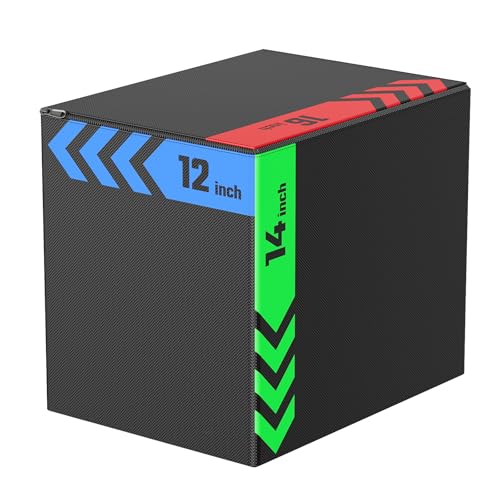
- Compact 12-by-14-by-16-inch format
- Soft foam helps absorb impact
- Anti-slip, sweat-resistant Oxford cover
Best For: Portable, gentle home step-up routines
Firm Low-Height Option
Yes4All 3-in-1 Wooden Plyo Box

- Three levels in a sturdy plywood box
- Supports step-ups and strength exercises
- Low 12-inch maximum height
Best For: Firm, low-height home strength training
Best Adjustable Starter
CAP Barbell 3-in-1 Plyometric Box
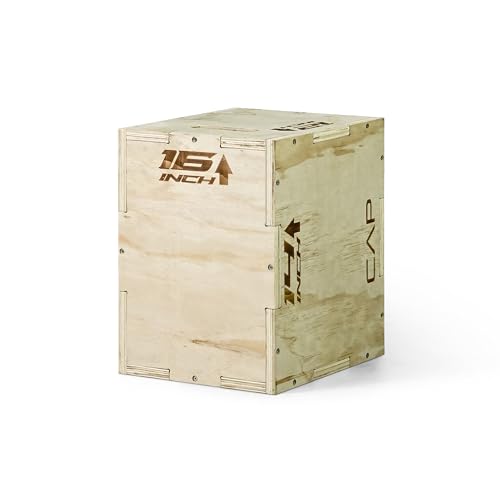
- Three heights: 12, 14, and 16 inches
- Smooth edges with recessed hardware
- Carry handles and interlocking wood construction
Best For: Low-height step-ups and gradual home-gym progression
Best Solid Wood Option
REP 3-in-1 Wooden Plyometric Box

- Small model offers 12-, 14-, and 16-inch heights
- Smooth, sanded wood surface
- Interlocking panels and numbered dimensions
Best For: Controlled step-ups, box squats, and strength work
Best Cushioned Design

- High-density foam reduces hard-edge impact
- Three heights with no assembly required
- Anti-slip, wipe-clean PVC cover
Best For: Cushioned step-ups and controlled low-impact exercises
Best with Extra Features
Amazon Basics 3-in-1 Wooden Plyo Box

- Three heights: 12, 14, and 16 inches
- 450-pound stated weight capacity
- Handles and sanded edges for easier handling
Best For: Beginners and seniors progressing through controlled step-ups
Low-Profile Steel Option
VEVOR 12-Inch Anti-Slip Plyo Box

- Low 12-inch height for step-up work
- Steel platform rated to 500 pounds
- Textured top and rubber feet add grip
Best For: Users wanting a sturdy, fixed-height training platform
Impact-Cushioned Choice
BalanceFrom 3-in-1 Foam Plyo Box

- Three heights through a flip design
- Shock-absorbing foam construction
- Textured PVC surface supports traction
Best For: Home users prioritizing cushioning and adjustable training heights
Soft-Step Versatility – BalanceFrom 3-in-1 Foam Plyo Box
For seniors comparing plyometric boxes for seniors, the BalanceFrom 3-in-1 Foam Plyometric Jump Box offers three height options in a lightweight, softer-impact design. Its textured surface and foam construction make it suitable for controlled step-ups and other low-impact training, while its listed 250-pound maximum weight recommendation supports a range of users.
Best For: Seniors who want a portable foam box for adjustable-height step-ups, balance work, and beginner-friendly home training.
Pros:
- Rotates between 16-, 20-, and 24-inch heights.
- High-density foam helps minimize shin scrapes and soften impact.
- Textured anti-slip surface supports steadier step-ups and landings.
- Lightweight and portable, with a 2-year warranty listed.
Cons:
- The available heights may be more than some seniors need for gentle training.
- The notes list conflicting item dimensions and weights, so shoppers should verify the current listing.
This is the most adaptable option here for seniors who value softer construction and multiple heights. Begin with the lowest setting and use it for controlled step-ups rather than high-impact jumps.
Cushioned Stability – Yes4All Soft-Padded Plyo Box
The Yes4All Soft-Padded Plyo Box combines a wooden core with EVA foam cushioning and a vinyl/PVC exterior. For seniors seeking plyometric boxes for seniors, its three height options, non-slip surface, and high stated weight capacity make it a practical choice for measured step-ups and strength exercises.
Best For: Seniors who want a cushioned box with a sturdy internal core and generous weight capacity for home workouts.
Pros:
- Three height options accommodate different exercises and ability levels.
- Wooden core adds stability while EVA foam cushions the surface.
- Non-slip PVC surface provides traction and is described as waterproof.
- Listed weight capacity is up to 440 to 450 pounds.
Cons:
- At 13.2 pounds, it is heavier than the lightweight foam alternatives.
- The supplied details list differing maximum-capacity figures, so confirm the current specification.
Its cushioned exterior and reinforced core offer a useful balance of comfort and support. Seniors should still select the lowest available height first and keep movements controlled, especially because this is a substantial training box.
Compact Comfort – papababe 3-in-1 Foam Jump Box
The papababe 3-in-1 Jump Box is a compact 12-by-14-by-16-inch foam option with three height positions. Among plyometric boxes for seniors, its soft, shock-absorbing construction and anti-slip, sweat-resistant cover may suit gentle step-ups and home routines, provided the 200-pound load limit fits the user.
Best For: Seniors who need a small, portable foam box for controlled step-ups, squats, and low-impact fitness work.
Pros:
- Three heights can be changed by rotating the box.
- Heavy foam filling provides a softer, shock-absorbing surface.
- 1000D Oxford-weave cover is described as anti-slip, waterproof, and wear-resistant.
- Compact 15-pound design is easy to move around a home gym.
Cons:
- Its 200-pound maximum load capacity is lower than the Yes4All padded model.
- The small size may provide less landing space for some users.
This model emphasizes portability and a forgiving foam surface rather than a reinforced wooden core. It can be a sensible fit for seniors staying below the stated load limit and focusing on low-height, deliberate movements.
Firm Low-Height Option – Yes4All 3-in-1 Wooden Plyo Box
The Yes4All 3-in-1 Wooden Plyo Box uses durable plywood and offers three practice levels within a 16-by-14-by-12-inch design. For seniors evaluating plyometric boxes for seniors, its firm construction can support step-ups, split squats, and push-ups, although it lacks the cushioning of the foam-covered alternatives.
Best For: Seniors who prefer a sturdy wooden platform for low-height step-ups and floor-based strength exercises.
Pros:
- Three height options allow users to start at a more manageable level.
- Durable plywood construction is designed for stability and long-term use.
- Supports step-ups, split squats, push-ups, and plyometric exercises.
- At 14 pounds, it remains reasonably movable for home use.
Cons:
- Wood provides less impact cushioning than foam boxes.
- The listed maximum height is 12 inches, limiting taller step-up options.
- Assembly is required.
This is a straightforward choice for seniors who prioritize a firm, furniture-like platform over padded impact absorption. A low setting and stable footwear are especially important when using a wooden box for step-ups.
Best Adjustable Starter – CAP Barbell 3-in-1 Plyometric Box
For seniors comparing plyometric boxes for seniors, the CAP Barbell 3-in-1 offers three relatively low height settings—12, 14, and 16 inches. Its compact wooden design and carry handles suit controlled step-ups, balance drills, and gradual progression in a home gym.
Best For: Seniors who want a compact, adjustable box for low-height step-ups and progressive training.
Pros:
- Three height options provide flexible progression.
- Smooth-finished edges and recessed hardware help reduce snag points.
- Interlocking construction and countersunk screws support a stable platform.
- Built-in handles make repositioning easier.
Cons:
- The maximum height is limited to 16 inches.
- Engineered wood is firm rather than cushioned if a foot slips.
Its low profile, manageable 14.6-pound weight, and 300-pound maximum weight recommendation make it a practical choice for supported, controlled movements. As with any elevated exercise, use it only at a height and pace appropriate for your balance and mobility.
Best Solid Wood Option – REP 3-in-1 Wooden Plyometric Box
The REP wooden plyometric box is a sturdy option among plyometric boxes for seniors, especially when used for step-ups, box squats, and strength work rather than maximal jumps. The small version provides 12-, 14-, and 16-inch heights and clearly marked sides for setup.
Best For: Seniors seeking a solid wooden platform for measured step-ups, squats, and strength exercises.
Pros:
- Three height settings offer workout flexibility.
- Sanded wood provides a smooth training surface.
- Interlocking puzzle-style panels are designed for a tight, stable fit.
- Numbered dimensions make height changes easier to identify.
Cons:
- The supplied small model reaches only 16 inches.
- At 16 pounds, it may be less convenient to move than a lighter box.
- The firm wood surface does not provide foam cushioning.
The small configuration combines a useful low-height range with a stated 400-pound weight capacity. Its solid construction is reassuring for deliberate exercises, but the box should still be placed on a stable surface and used with support if needed.
Best Cushioned Design – RitFit Soft Foam Plyo Box
For seniors prioritizing a softer contact surface, the RitFit foam model stands out among plyometric boxes for seniors. Its high-density foam core, anti-slip PVC cover, and three rotating heights can support step-ups, squats, lunges, and other controlled exercises without wood edges.
Best For: Seniors who prefer a cushioned, wipe-clean surface for low-impact step-ups and floor-to-standing exercises.
Pros:
- High-density foam is designed to protect against contact with the edge.
- Rotating the box provides three heights without assembly.
- PVC cover is described as durable and anti-slip.
- Zippered cover can be removed for easier cleaning.
Cons:
- The listed medium and large versions are heavy, up to 60 pounds.
- Some configurations begin at 16 or 20 inches, which may be high for beginners.
- The supplied notes list different capacities by size, so configuration matters.
The cushioned construction is useful for users concerned about bumping a hard platform, while the rotating design keeps setup simple. Select the smallest suitable configuration and verify its height and weight capacity before buying.
Best with Extra Features – Amazon Basics 3-in-1 Wooden Plyo Box
For shoppers comparing plyometric boxes for seniors, this Amazon Basics wooden model offers three lower-to-moderate height options—12, 14, and 16 inches—for step-ups and carefully scaled conditioning work. Its wide handles and smooth, sanded edges also make repositioning more manageable in a home gym.
Best For: Beginners and seniors who want adjustable heights for controlled step-ups and progressive training.
Pros:
- Three height options support gradual progression.
- 450-pound stated weight capacity.
- Wide handles and smooth edges aid handling and comfort.
- Pre-drilled and pilot holes simplify assembly.
Cons:
- Wood construction is designed primarily for indoor use.
- Assembly is required before use.
- The maximum height is 16 inches, which may not suit users seeking a taller platform.
Among these plyometric boxes for seniors, this is a practical option when adjustable height and a familiar wooden platform matter more than portability or cushioning.
Low-Profile Steel Option – VEVOR 12-Inch Anti-Slip Plyo Box
This VEVOR steel platform is a low-profile choice among plyometric boxes for seniors, with a 12-inch height that can suit step-ups and other exercises where a taller box is unnecessary. Rubber feet and a textured silicone top are intended to help keep the platform stable during use.
Best For: Users seeking a sturdy, compact 12-inch platform for step-ups and varied strength exercises.
Pros:
- 12-inch height provides a lower training option.
- Steel construction has a stated 500-pound capacity.
- Rubber bottom pads and textured top support grip.
- Can be stacked or disassembled for storage.
Cons:
- Only one height is provided.
- Assembly is required.
- The steel platform does not offer the shock-absorbing foam construction of the BalanceFrom model.
This model emphasizes a stable, low platform rather than adjustability, making it worth considering for users who prefer a consistent step height and durable steel construction.
Impact-Cushioned Choice – BalanceFrom 3-in-1 Foam Plyo Box
For seniors prioritizing a softer training surface, this BalanceFrom foam box uses shock-absorbing high-density foam and a textured PVC exterior. Its flip design provides three height options, supporting step-ups, split squats, and other strength exercises at home.
Best For: Seniors and home users who value impact cushioning and multiple height options for moderate training.
Pros:
- Flip design offers three height options.
- Shock-absorbing foam may help reduce joint impact.
- Textured PVC exterior provides traction.
- Suitable for step-ups, split squats, push-ups, and strength routines.
Cons:
- The supplied details list a 330-pound maximum capacity, despite the product bullet mentioning 350 pounds.
- Foam construction may be less rigid than steel or wood.
- Its listed dimensions and maximum height may require more floor space than a smaller fixed platform.
This is the most cushioning-focused option in the group, though buyers should use the detailed 330-pound capacity as the safer reference and confirm the height that best matches their routine.
How We Picked the Best Plyometric Boxes for Seniors
We compared these boxes by focusing on the features that matter most for controlled, senior-friendly exercise. That includes stable construction, dependable non-slip surfaces, useful height options, edge design, padding, weight capacity, and ease of setup. We also considered whether a box can support step-ups and strength exercises without requiring high-impact jumping.
Foam models generally offer softer landing surfaces and forgiving edges, while wooden and steel options can provide a firmer, more stable platform. However, a hard box should be used with extra care and suitable flooring, particularly by anyone with balance concerns.
Quick Comparison
| Box type | Best suited for | Main advantage | Potential drawback |
|---|---|---|---|
| Soft foam | Beginners and low-impact training | More forgiving surface and edges | May feel less firm or wear over time |
| Wooden | Strength-focused home workouts | Firm, durable platform | Harder landing surface |
| Steel or reinforced | Frequent, demanding use | Strong and highly stable | Usually heavier and less forgiving |
| 3-in-1 designs | Homes with limited space | Multiple usable heights | Changing orientation may require lifting |
Key Buying Factors for Plyometric Boxes for Seniors
Height and Adjustability
Start with the lowest practical height. A box should let you step up and down without leaning excessively, hopping, or losing control. Three-height designs offer flexibility, but confirm that each orientation is stable and easy to reposition.
Stability and Weight Capacity
Look for a broad base, solid construction, and a clearly stated weight limit that exceeds your body weight and intended equipment load. The box should remain planted during slow step-ups, not only during explosive movements.
Surface Traction and Flooring
Non-slip tops and feet help reduce sliding, but they do not replace a level floor. Use the box on a firm, clean surface with enough surrounding space. Avoid loose rugs unless they are specifically designed to prevent movement.
Padding and Edge Protection
High-density foam can be a sensible choice for beginners because it reduces the consequences of a misstep. Choose firm foam that does not collapse noticeably under load, and inspect it regularly for compression, tears, or shifting layers.
Access and Storage
Consider the box’s weight and whether you can safely turn or carry it. A compact model may be preferable if it must be stored after every session, while a heavier box may be better when stability is the priority.
Who Should Buy Which Plyometric Boxes for Seniors?
Choose a soft foam box if you are new to step-ups, concerned about contact with hard edges, or mainly performing low-impact exercises. Choose a wooden box if you want a firm platform for strength training and have good balance, adequate clearance, and controlled movement. Choose a steel or reinforced model if durability and stability matter most and you have a permanent workout area.
For most older adults, the best starting point is the lowest setting on a stable, grippy box. Keep movements slow, hold a nearby support if needed, and stop if you experience pain, dizziness, or unusual instability. If you have joint, balance, heart, or neurological concerns, ask a qualified healthcare professional which exercises and heights are appropriate before using plyometric equipment.