The best trail running shoes for men balance traction, cushioning, protection, and a secure fit without feeling cumbersome. The right pair can make everything from packed dirt paths to rocky mountain routes more comfortable and controlled.
This roundup compares 10 standout options across different trail conditions, running styles, and budgets so you can narrow your choices before buying.
Best 10 Trail Running Shoes for Men Picks for 2026
Trail-Ready Value

- Carbon-rubber lugs for dependable grip
- Moderate VERSARUN cushioning
- Supportive mesh helps block debris
Best For: Neutral trail runners and hikers seeking practical cushioning
Hiking-First Traction
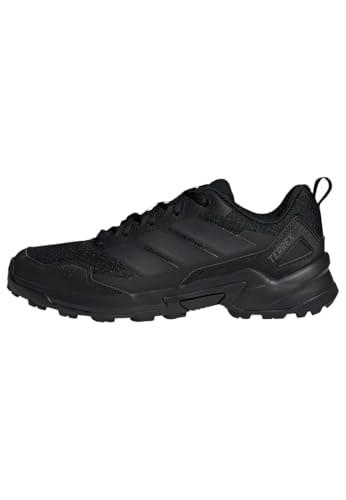
- Rubber construction for outdoor use
- Cushioned low-top design
- Adjustable lace-up closure
Best For: Casual hikers prioritizing a sturdy outdoor shoe
Mountain-Trail Stability

- TrailTack Green traction on varied terrain
- DNA LOFT v3 cushioning
- Trail Adapt System with rock protection
Best For: Mountain trail runners needing stability and protection
Lightweight Hiking Comfort

- EVA cushioning absorbs steps
- Traxion outsole grips in all directions
- Reinforced toe cap for durability
Best For: Casual hikers wanting lightweight comfort and traction
Natural-Striding Trail Pick

- Zero-drop platform with a wide toe box
- MaxTrac outsole and TrailClaw lugs
- Breathable, durable ripstop mesh upper
Best For: Roomy natural stride and versatile trail use
Everyday Cushioning Trail Pick

- AMPLIFOAM PLUS cushioning for flexibility
- Rearfoot GEL supports impact absorption
- Trail outsole and OrthoLite sockliner
Best For: Comfort-focused off-road running and walking
Technical-Trail Comfort Pick

- 3mm TrailTack Green lugs for wet and dry grip
- DNA LOFT v3 cushioning for plush landings
- Protective overlays with a breathable air mesh upper
Best For: Dry, rocky trails and long outdoor outings
Best for Muddy Trails

- Deep lugs grip muddy and loose terrain
- Protective ripstop upper helps block debris
- Quicklace system provides a secure fit
Best For: Mixed, muddy, rocky, and loose trails
Best All-Terrain Value

- Fresh Foam and BIO Foam cushion uneven terrain
- AT Tread outsole handles road and trail surfaces
- Mesh upper supports airflow on longer sessions
Best For: Mixed-surface running, hiking, and everyday trail use
Best for Maximum Cushioning

- Rearfoot GEL helps absorb impact
- AMPLIFOAM PLUS creates a softer ride
- Molded rubber outsole suits trail surfaces
Best For: Cushion-focused trail running and athletic use
Trail-Ready Value – Saucony Excursion TR14
For shoppers comparing trail running shoes for men, the Saucony Excursion TR14 offers a practical mix of traction, moderate cushioning, and debris protection. Its carbon-rubber lugs are designed for secure footing, while the supportive mesh upper helps keep the fit stable on the trail.
Best For: Neutral runners who want cushioned trail shoes for hiking and running on established trails.
Pros:
- Carbon-rubber lugs provide grippy traction.
- VERSARUN cushioning delivers moderate underfoot comfort.
- Supportive overlays help secure the foot and block debris.
Cons:
- Not water resistant.
- Moderate cushioning may provide less plushness than higher-cushioning models.
The Excursion TR14 is a straightforward choice for everyday trail outings, especially if you value dependable grip and a non-bulky upper over specialized weather protection.
Hiking-First Traction – adidas Terrex Eastrail 3
The adidas Terrex Eastrail 3 is a hiking-oriented option among trail running shoes for men. Its rubber construction, cushioned design, and low-top lace-up profile suit casual outdoor use when rugged trail support matters more than a specialized running feature set.
Best For: Casual hikers who want a cushioned, low-top shoe for outdoor and everyday use.
Pros:
- Rubber outer and sole construction is suited to outdoor wear.
- Cushioned design supports comfortable walking.
- Lace-up closure allows an adjustable fit.
Cons:
- Listed for hiking rather than trail running.
- Not water resistant.
- At 2.4 pounds, it is heavier than the lighter running-focused options listed here.
This Terrex model makes the most sense for hikers and casual outdoor users who want a sturdier-feeling shoe, but runners seeking a lighter trail-specific ride may prefer another option in this roundup.
Mountain-Trail Stability – Brooks Cascadia 19
Brooks Men’s Cascadia 19 Mountain Trail Running Shoe - Black/Black/Ebony - 10.5 Medium
Check Price On AmazonFor demanding routes, the Brooks Cascadia 19 is one of the more feature-rich trail running shoes for men in this lineup. It combines TrailTack Green rubber, DNA LOFT v3 cushioning, and the Trail Adapt System to support traction, comfort, and stability across uneven terrain.
Best For: Trail enthusiasts tackling mountain trails and varied wet or dry terrain.
Pros:
- TrailTack Green outsole is designed for traction on wet and dry uneven surfaces.
- DNA LOFT v3 cushioning offers a soft, responsive ride.
- Ballistic Rock Shield and Trail Adapt System add stability and adaptability.
- Reinforced toe cap, mudguard, and protective mesh help defend against trail debris.
Cons:
- Not water resistant.
- Its broader protective feature set may be more than casual trail users need.
The Cascadia 19 is a strong fit when stability and protection are priorities. Its moderate-to-high cushioning and mountain-focused construction make it particularly appealing for rugged, varied routes.
Lightweight Hiking Comfort – adidas Terrex Anylander
The adidas Terrex Anylander provides a lightweight, comfort-focused alternative for shoppers browsing trail running shoes for men. Its EVA midsole absorbs steps, while the Traxion outsole uses multidirectional lugs for grip on rugged terrain.
Best For: Hikers and casual outdoor users seeking lightweight cushioning and multidirectional traction.
Pros:
- EVA midsole provides step-absorbing comfort.
- Traxion outsole is designed for grip in all directions.
- Reinforced toe cap adds durability.
- Made in part with recycled and renewable materials.
Cons:
- Listed as a hiking shoe rather than a trail-running model.
- Not water resistant.
- The soft textile upper may offer less structure than more reinforced trail shoes.
The Anylander is best suited to lighter hiking and casual trail use. Choose it for its low listed weight, cushioning, and all-direction traction rather than for specialized mountain-running features.
Natural-Striding Trail Pick – Lone Peak 8
The ALTRA Men’s Lone Peak 8 is a versatile choice among trail running shoes for men, combining a zero-drop platform, wide toe box, and moderate cushioning for natural-feeling movement. Its MaxTrac outsole and TrailClaw lugs are suited to dirt, gravel, and rocky trails.
Best For: Runners who want a roomy toe box, natural foot alignment, and a shoe that can transition from trails to casual wear.
Pros:
- MaxTrac outsole with TrailClaw lugs supports traction across varied trail surfaces.
- Ripstop mesh upper is breathable and abrasion-resistant.
- Zero-drop platform and wide toe box encourage a natural stride.
- Lightweight EGO midsole provides responsive cushioning and shock absorption.
Cons:
- Not water resistant.
- Zero-drop geometry may require adjustment for runners accustomed to traditional heel-to-toe designs.
- Moderate cushioning may not suit shoppers seeking maximum underfoot padding.
The Lone Peak 8 stands out for its roomy, natural-feeling fit and versatile trail traction. Consider it if foot space and flexible trail performance matter more than water resistance or maximum cushioning.
Everyday Cushioning Trail Pick – Gel-Excite Trail 2
The ASICS Men’s Gel-Excite Trail 2 offers a cushioned option for shoppers comparing trail running shoes for men. AMPLIFOAM PLUS cushioning, rearfoot GEL technology, and an OrthoLite sockliner support a softer, comfortable feel on off-road surfaces.
Best For: Trail runners seeking generous cushioning, step-in comfort, and dependable grip for casual to regular off-road use.
Pros:
- Rearfoot GEL technology helps absorb impact at footstrike.
- AMPLIFOAM PLUS cushioning is designed for durability and flexibility.
- OrthoLite sockliner adds soft step-in comfort.
- Trail-specific outsole improves grip on off-road surfaces.
Cons:
- Not water resistant.
- Mesh upper may offer less weather protection than a water-resistant trail shoe.
- Neutral construction does not provide pronation correction.
With its emphasis on cushioning and impact absorption, the Gel-Excite Trail 2 is a practical pick for comfortable trail outings. It is especially appealing if a soft step-in feel is a priority.
Technical-Trail Comfort Pick – Ghost Trail
The Brooks Men’s Ghost Trail is built for runners comparing trail running shoes for men for dry, rocky, and technical terrain. Its TrailTack Green outsole, 3mm lugs, nitrogen-infused DNA LOFT v3 cushioning, and protective upper balance traction, comfort, and durability.
Best For: Trail runners and outdoor adventurers who want cushioned landings, secure fit adjustment, and grip for varied terrain.
Pros:
- TrailTack Green rubber outsole with 3mm lugs grips wet and dry surfaces.
- Nitrogen-infused DNA LOFT v3 midsole offers plush landings with responsiveness.
- Air mesh upper promotes breathability.
- 3D-printed toe and mudguard overlays add protection without unnecessary bulk.
Cons:
- Not water resistant.
- Moderate cushioning may be less suitable for shoppers wanting maximum cushioning.
- Designed for a neutral stride and does not provide pronation correction.
The Ghost Trail is a strong all-terrain option for runners who value grip and comfortable cushioning on uneven ground. Its adjustable lacing and protective overlays also make it useful for longer trail outings.
Best for Muddy Trails – Salomon Speedcross
The Salomon Speedcross is a strong choice among trail running shoes for men who regularly tackle muddy, loose, or rugged routes. Its deep lugs, protective upper, and secure Quicklace fit are designed for confident movement across changing trail conditions.
Best For: Mixed and muddy terrain, including rocky trails, loose gravel, and overgrown paths.
Pros:
- Deep Mud Contagrip lugs provide strong traction on soft, loose, and rugged surfaces.
- Welded ripstop construction and anti-debris mesh help protect against trail debris and abrasion.
- Sensifit construction and Quicklace closure create a precise, foot-hugging fit.
- Specialized heel support promotes stability during the stride.
Cons:
- Not water resistant, despite its protective upper.
- Moderate cushioning may feel less plush than highly cushioned alternatives.
The Speedcross stands out when grip and foothold matter more than maximum cushioning. Its neutral, low-top design and moderate cushioning make it a practical option for demanding outdoor trail use.
Best All-Terrain Value – New Balance Fresh Foam 410v9
The New Balance Fresh Foam 410v9 is a versatile option among trail running shoes for men who split time between trails, roads, and hiking paths. Fresh Foam and BIO Foam cushioning aim to provide a comfortable, lightweight ride, while the AT Tread outsole supports varied surfaces.
Best For: All-terrain trail runs, hiking, and mixed on-road and off-road use.
Pros:
- Fresh Foam cushioning provides lightweight shock absorption on uneven terrain.
- BIO Foam works with the midsole cushioning to support a smooth, comfortable ride.
- AT Tread outsole offers versatile traction across road and trail surfaces.
- Breathable mesh and reinforced overlays balance airflow with durability.
Cons:
- Not water resistant.
- Moderate cushioning may not satisfy runners seeking maximum underfoot softness.
Choose the Fresh Foam 410v9 if you want one shoe for casual trail running, hiking, and everyday mixed-surface activity. Its neutral construction and traditional laces offer a familiar, adjustable fit.
Best for Maximum Cushioning – ASICS Gel-Venture 11
The ASICS Gel-Venture 11 is a cushioned choice among trail running shoes for men, with Rearfoot GEL, AMPLIFOAM PLUS, and a foam sockliner designed to soften the ride. Its molded rubber outsole makes it suitable for trail use, while the mesh upper supports breathability.
Best For: Runners who prioritize maximum cushioning for trail running and athletic use.
Pros:
- Rearfoot GEL helps absorb shock in the midsole.
- AMPLIFOAM PLUS provides a softer, more comfortable ride.
- OrthoLite Hybrid Max Lite sockliner supports moisture management, breathability, and cushioning.
- Molded rubber outsole is suited to trail surfaces.
Cons:
- The supplied fit note says the shoe runs small.
- Not water resistant.
- Its maximum cushioning may feel less direct than a lower-cushioning trail shoe.
The Gel-Venture 11 is worth considering when shock absorption and a softer feel are higher priorities than a minimal ride. Check sizing carefully because the supplied details indicate that it runs small.
How We Picked the Best Trail Running Shoes for Men
We evaluated this lineup by focusing on the features that matter most away from pavement: outsole traction, midsole cushioning, upper security, underfoot protection, stability, and overall versatility. We also considered how each shoe fits different use cases, including easy park trails, daily off-road training, long-distance outings, hiking, and technical terrain.
Because trail conditions vary widely, there is no single best shoe for every runner. A lightweight, flexible model may be ideal for smooth dirt paths, while a more protective shoe with deeper lugs can be a better choice for mud, loose rock, or steep terrain.
Quick Comparison
| Best For | What to Prioritize | Likely Shoe Type |
|---|---|---|
| Daily mixed-surface running | Balanced cushioning and versatile traction | All-purpose trail trainer |
| Rocky or technical trails | Secure fit, protection, and aggressive lugs | Technical trail shoe |
| Long trail outings | Comfort, cushioning, and reliable stability | Cushioned trail runner |
| Hiking and casual wear | Durability, support, and all-day comfort | Trail or hiking sneaker |
| Natural foot movement | Roomy forefoot and flexible platform | Foot-shaped trail shoe |
Key Buying Factors for Trail Running Shoes for Men
Traction and Outsole Design
Look at lug depth and spacing based on your usual terrain. Lower, closely spaced lugs tend to roll smoothly on hard-packed paths, while deeper and more widely spaced lugs shed mud and grip loose surfaces more effectively. A versatile outsole is usually the safest choice if you run on mixed terrain.
Cushioning and Protection
More cushioning can reduce fatigue during long outings, but excessive softness may feel less stable on uneven ground. A protective toe area and a rock-resistant midsole or plate are useful on rocky trails. For smoother routes, a lighter and more flexible construction may feel faster.
Fit and Foot Shape
Your heel should stay secure without pressure, and your toes should have enough room to spread naturally. Leave a little extra space in front of the toes for descents and foot swelling on longer runs. Check each brand’s sizing guidance, since fit can vary considerably between models.
Stability, Weight, and Weather
A wider platform and supportive upper can improve confidence on uneven ground, while a lighter shoe may feel better for faster efforts. Consider breathability for warm conditions and water resistance only when it matches your needs; highly protective uppers can run warmer and may dry slowly after soaking.
Who Should Buy Which Trail Running Shoes for Men?
Choose a versatile daily trail trainer if you split your time between pavement, gravel, and maintained dirt paths. Runners tackling steep, rocky, muddy, or technical routes should prioritize secure uppers, stronger protection, and aggressive traction. For long-distance training, favor dependable cushioning and a comfortable fit over minimal weight.
Hikers and buyers wanting one shoe for trails and everyday use may prefer a durable hiking sneaker with supportive construction. If you value a roomier toe box and a more natural feel, look for a foot-shaped design. Finally, newer trail runners should start with a balanced model that offers predictable grip and moderate cushioning rather than choosing solely by appearance or maximum lug depth.