A hand therapy mirror box can support stroke recovery, phantom limb pain care, CRPS rehab, and hand retraining by using visual feedback to guide movement.
Below, we focus on practical buying choices: build quality, adjustability, viewing range, portability, and ease of setup for home or clinical use.
Best 10 Hand Therapy Mirror Box Picks for 2026
Drug-Free Rehab Pick
Foldable Therapy Mirror Box for Upper-Limb Rehab

- Supports hand, wrist, and arm rehab
- Foldable for easier storage
- Acrylic build for indoor therapy use
Best For: home users focused on stroke or CRPS rehab
Broad Rehab Trainer
Adjustable Mirror Box for Hand and Upper-Limb Training

- Uses visual feedback for upper-limb rehab
- Supports finger and fist exercises
- Covers coordination, phantom pain, and body image work
Best For: users wanting a broad mirror-therapy training aid
Comfort-Focused Choice
Adjustable Smart Mirror Therapy Box for Home Rehab
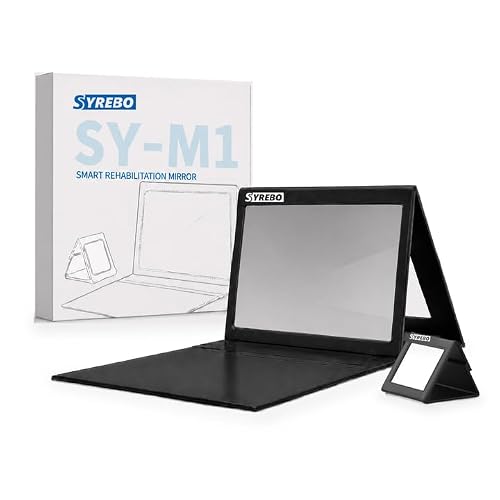
- Angle adjusts from 65° to 90°
- Soft PU leather and shatter-resistant mirror
- No power or complex assembly needed
Best For: home rehab users who want safer, adjustable positioning
Compact Storage Pick
Foldable Adjustable Mirror Box for Hand Recovery

- Folds flat for easy storage
- Angle adjusts from 65° to 90°
- Lightweight and leather-wrapped
Best For: buyers needing a compact tabletop rehab tool
Wide-View Portable Rehab Pick
Large Visual Range Folding Mirror Box

- 20 x 31 cm visual range
- Folding and portable for travel
- Adjustable for one-handed exercises
Best For: Portable stroke and phantom limb rehab with a wide viewing area
Most Portable Recovery Option
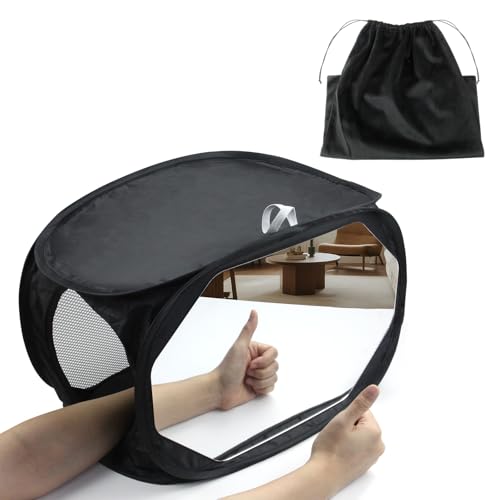
- Lightweight collapsible design
- Includes storage bag
- Works for PLP, CRPS, and stroke rehab
Best For: Portable hand and wrist rehab at home, clinic, or on the go
Most Adjustable Mirror Box

- 45-135° adjustable tilt
- Wide clear viewing range
- Lightweight folding build
Best For: Rehab users who want flexible mirror positioning and a wide view
Portable Fold-Flat Pick
Mirror Therapy Box for Stroke Rehabilitation

- Foldable design for easier storage and transport
- Lightweight option for home-based rehab use
- Used for stroke recovery and phantom limb pain exercises
Best For: travel-friendly mirror therapy and simple at-home rehab
Clinical Control Upgrade
Achieva SMART Mirror Therapy Box

- Adjustable angle from 65° to 90°
- One-handed setup for limited hand use
- Observation windows help airflow and monitoring
Best For: patients and therapists needing more setup flexibility
Drug-Free Rehab Pick – Foldable Therapy Mirror Box for Upper-Limb Rehab
If you’re shopping for a hand therapy mirror box, this foldable model is aimed at practical rehab use for the hand, wrist, and arm. It uses mirror therapy to create the visual effect of normal movement, which may help support recovery after stroke, surgery, CRPS, and phantom limb pain.
Best For: People who want a simple, foldable mirror box for home rehab focused on hand, wrist, and arm exercises.
Pros:
- Designed for rehabilitation and therapy use, including stroke, CRPS, and phantom limb pain.
- Foldable design makes it easier to store after sessions.
- Mainly sized for arm, hand, and wrist work.
- Lightweight acrylic build for indoor use.
Cons:
- Best suited to hand, wrist, and arm therapy rather than full-body use.
- May only fit small feet if used outside its main purpose.
- Wall-mount style may be less convenient than fully freestanding options for some users.
This is a straightforward mirror therapy option if you want a compact, rehab-focused tool without extra complexity. Its biggest strengths are portability, foldability, and a design centered on upper-limb recovery exercises.
Broad Rehab Trainer – Adjustable Mirror Box for Hand and Upper-Limb Training
This hand therapy mirror box is built around visual feedback training for upper-limb recovery. It is positioned as a sensory-motor practice aid for stroke recovery, traumatic brain injury rehab, phantom limb pain, hand-eye coordination work, and other movement retraining needs.
Best For: Buyers who want a mirror therapy box with broad rehab applications and adjustable training use.
Pros:
- Targets upper-limb motor function disorders with mirror-based visual feedback.
- Can be used for fist-making, finger extension, and other hand movement training.
- Includes applications for phantom limb pain, coordination, and body image rehab.
- Described as adjustable and suitable for home use.
Cons:
- Listing language is broad, so the practical setup details are less clear than some competitors.
- Appears more training-oriented than highly specialized for one condition.
- No specific size or weight details were provided in the notes.
As a hand therapy mirror box, this one stands out for its wide rehab scope. It makes the most sense if you want a visual-feedback tool that can support multiple kinds of upper-limb exercises rather than a narrowly focused product.
Comfort-Focused Choice – Adjustable Smart Mirror Therapy Box for Home Rehab
If you want a more refined hand therapy mirror box, this model emphasizes visual feedback training and comfort. It is designed for stroke rehab, CRPS, focal dystonia, hemiplegia, and phantom limb sensations, with adjustable viewing angles to help users find a workable setup.
Best For: Users who want an adjustable, safety-focused mirror therapy box for regular home rehabilitation sessions.
Pros:
- Adjustable viewing angle from 65° to 90° for personalized positioning.
- Soft PU leather and shatter-resistant mirror surface add safety-minded construction.
- No power source or complex assembly required.
- Observation windows allow caregivers or therapists to monitor progress.
Cons:
- Heavier than some simpler portable mirror boxes at 6.83 pounds.
- Less compact than ultra-light foldable designs.
- May be more feature-rich than needed for very basic rehab use.
This is a strong option if comfort, angle adjustment, and safer construction matter most. It feels especially well suited to ongoing home therapy where consistent positioning and easy supervision are priorities.
Compact Storage Pick – Foldable Adjustable Mirror Box for Hand Recovery
This hand therapy mirror box is built for at-home recovery and simple storage. It is described as lightweight, foldable, and adjustable, making it practical for stroke recovery, hemiparesis, hand surgery rehab, phantom limb pain, and arthritis exercises.
Best For: People who want a lightweight mirror therapy box that folds flat and is easy to store.
Pros:
- Folds flat for easier storage on a shelf when not in use.
- Lightweight design is helpful for users working with one good hand and arm.
- Adjustable angle from 65° to 90° for better viewing.
- Leather-wrapped build with a clear mirror surface.
Cons:
- Tabletop mount style may not suit every therapy setup.
- Plastic frame material may feel less premium than heavier-built alternatives.
- Best suited to tabletop use rather than more flexible placement options.
This model is a sensible pick if portability and easy storage matter most. It keeps the feature set practical and focused, which should appeal to users who want a simple mirror therapy setup for everyday rehab work.
Wide-View Portable Rehab Pick – Large Visual Range Folding Mirror Box
This hand therapy mirror box is built for straightforward rehabilitation work at home or on the go. It offers a large visual range, a folding design, and adjustable mirror positioning to support hand and arm exercises for stroke recovery, phantom limb pain, and general rehab routines.
Best For: Users who want a portable mirror therapy box with a wide viewing area and simple one-handed use.
Pros:
- Large 20 x 31 cm visual range for better mirror placement
- Folding, portable design for home use or travel
- Adjustable mirror position supports one-handed exercises
- Designed for stroke rehabilitation and phantom limb pain relief
Cons:
- Users need to remove jewelry and watches before use
- Focused more on basic rehab than extra features
Overall, this is a practical choice if you want a hand therapy mirror box that emphasizes simplicity, portability, and a clear viewing area. Its large mirror range and adjustable setup make it a solid fit for consistent rehab sessions.
Most Portable Recovery Option – Compact Foldable Rehab Kit
This hand therapy mirror box is aimed at practical recovery work for stroke rehab, phantom limb pain, CRPS, and nerve injury support. Its lightweight, foldable build and included storage bag make it easy to use at home, in a clinic, or while traveling.
Best For: Buyers who want a lightweight, collapsible mirror therapy box for portable hand and wrist rehabilitation.
Pros:
- Supports stroke rehab, PLP, CRPS, and nerve injury recovery
- Collapsible design is lightweight and easy to store
- Includes a storage bag for portability
- Suitable for home or clinical use
Cons:
- Product details do not highlight a large visual range
- More compact format may feel less spacious than larger boxes
If portability matters most, this mirror therapy box is a sensible option. It focuses on easy storage, drug-free pain management, and everyday rehabilitation rather than oversized dimensions or extra adjustability.
Most Adjustable Mirror Box – Adjustable Tilt Mirror Box
This hand therapy mirror box is designed for users who want more positioning flexibility during rehab. With an adjustable tilt range, a wide clear viewing area, and a lightweight folding build, it is made for stroke rehabilitation, post-hand surgery recovery, and phantom limb pain relief.
Best For: Users who want an adjustable-angle mirror therapy box with a wide viewing area for rehab exercises.
Pros:
- Adjustable tilt angle from 45 to 135 degrees
- Wide clear visual range for mirror placement
- Lightweight folding construction for storage and transport
- Engineered for one-handed manipulation and safe exercise
Cons:
- Larger footprint may be less compact than smaller boxes
- Positioning features may be more than some basic users need
This model stands out if adjustability is a priority in a mirror therapy box. The tilt range and broad viewing area make it a strong fit for structured rehabilitation sessions where mirror alignment matters.
Neuro-Rehab Starter – Mirror Box Therapy for Stroke Recovery
If you’re comparing a hand therapy mirror box for stroke recovery or injury rehab, this model focuses on simple, repeatable mirror therapy at home or in a clinic. It’s designed to support visual feedback, movement practice, and daily rehabilitation routines for conditions like stroke, PLP, CRPS, and peripheral nerve injury.
Best For: Users who want a lightweight, portable mirror therapy box for routine hand rehab and neuroplasticity-based exercises.
Pros:
- Built for mirror therapy exercises that use visual feedback to support motor retraining.
- Lightweight and portable for home sessions or clinical use.
- Suitable for stroke recovery, PLP, CRPS, and peripheral nerve injury rehab.
- Designed to support consistent daily hand rehabilitation practice.
Cons:
- Basic design without adjustable-angle features.
- No extra observation windows or specialized setup details listed.
- Best suited to straightforward therapy routines rather than advanced customization.
Overall, this is a practical hand therapy mirror box for users who want an easy-to-use option centered on core mirror therapy principles. Its portability and broad rehab use cases make it a sensible pick for steady, repeatable exercises.
Portable Fold-Flat Pick – Mirror Therapy Box for Stroke Rehabilitation
This hand therapy mirror box is aimed at users who want a portable, foldable setup for mirror-viewing exercises. It’s positioned for stroke rehabilitation, phantom limb pain relief, and general home-based recovery work, with a design that’s easy to carry and store between sessions.
Best For: People who need a lightweight, foldable mirror therapy box for home rehab or travel-friendly use.
Pros:
- Foldable design makes it convenient for storage and transport.
- Lightweight and portable for home-based rehabilitation.
- Can be used for mirror-viewing exercises tied to phantom limb pain relief.
- Suitable as an aid for stroke recovery and other rehab routines.
Cons:
- No adjustable viewing angle is mentioned in the supplied details.
- Lacks the observation-window features found on some other options.
- Setup tips suggest a quiet room and removing jewelry before use.
As a straightforward mirror therapy box, this one is best for users who value portability and simple fold-away convenience. It keeps the focus on easy at-home practice rather than extra clinical features.
Clinical Control Upgrade – Achieva SMART Mirror Therapy Box
If you want a more feature-rich hand therapy mirror box, this SMART-Mirror model adds adjustability and clinician-friendly details. It’s built for stroke rehabilitation, phantom limb pain, CRPS, hemiparesis, and related upper-extremity rehab, with a setup designed to be practical for daily practice at home or in the clinic.
Best For: Patients and therapists looking for a mirror therapy box with adjustable angle, one-handed setup, and easier observation.
Pros:
- Adjustable mirror angle from 65° to 90° helps users find a better viewing position.
- One-handed setup is useful when one hand has limited or no function.
- Observation windows improve airflow and let therapists monitor hand movement.
- Shatter-proof mirror and protective cover support safe storage and transport.
Cons:
- More feature-heavy than a basic mirror box, so it may be more than some users need.
- Not described as foldable in the supplied notes.
- Best results still depend on consistent daily use.
This is the strongest option here for users who want more control over positioning and observation during mirror therapy. Its one-handed setup and adjustable angle make it especially appealing for structured rehab routines.
How We Picked the Best Hand Therapy Mirror Box
We prioritized models that offer a clear reflective surface, stable construction, and enough adjustability for different arm positions and therapy goals. For this category, usability matters as much as design, so we looked for folding frames, lightweight portability, and setup features that reduce frustration during repeated sessions.
We also favored options that serve common rehab use cases such as stroke recovery, phantom limb pain, CRPS, and general hand and arm exercise. A good Hand Therapy Mirror Box should help deliver consistent visual feedback without being awkward to position or too limiting for real-world treatment routines.
Quick Comparison
In this roundup, the most important differences are size, viewing range, tilt or angle adjustment, and whether the box is easier for one-person setup. Larger viewing windows can make exercises feel less cramped, while foldable designs are better for transport and storage. If you need frequent repositioning, choose an adjustable model over a fixed-angle box.
Key Buying Factors for a Hand Therapy Mirror Box
Size and Viewing Range
Look for a mirror box that provides enough clearance for your hand, wrist, and forearm movements. A wider visual field is especially helpful when you want to train larger motions or maintain a natural posture during therapy.
Adjustability
Tilt angle, folding sections, and arm placement flexibility can make the difference between a tool you use regularly and one you avoid. Adjustable models are typically better for clinics, caregivers, or households where multiple users may need different positions.
Portability and Storage
If you plan to move the device between rooms or take it to appointments, weight and foldability matter. Lighter frames are easier to handle, but make sure they still feel steady during use.
Setup Ease
Some Hand Therapy Mirror Box designs are built for quick solo setup, while others work better with assistance. If independence is important, prioritize simple assembly, clear observation windows, and intuitive angle adjustments.
Therapy Use Case
Not every model is equally suited to every condition. For stroke rehab, a stable and adjustable layout is often most important. For phantom limb pain or CRPS, comfort and a convincing mirror illusion may matter more than size alone.
Who Should Buy Which Hand Therapy Mirror Box?
Choose a compact, foldable mirror box if you need a portable option for home use or travel. Pick a larger, adjustable model if you want more room for guided hand and arm exercises. If you are shopping for a clinic or a user with limited dexterity, look for one-handed setup, broad viewing windows, and the simplest possible adjustment system.
For most buyers, the best Hand Therapy Mirror Box is the one that balances visibility, comfort, and ease of daily use. A well-chosen model should fit the therapy routine you can realistically maintain.