The best hiking shoes for men balance traction, comfort, support, and weather protection without feeling cumbersome on the trail. This roundup compares 10 options for day hikes, wet conditions, mixed terrain, and everyday outdoor use.
Use the buying guide below to narrow your choices by fit, construction, grip, waterproofing, and intended mileage before selecting the pair that suits your routes.
Best 10 Hiking Shoes for Men Picks for 2026
Reliable Trail Classic
Merrell Men's Moab 3 Hiking Shoe
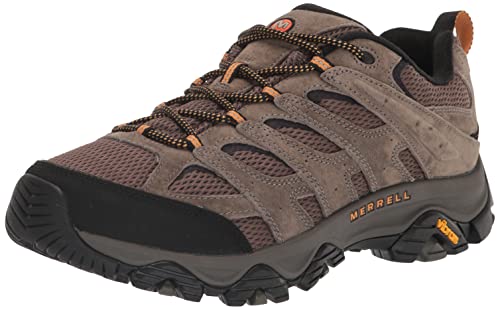
- Suede-and-mesh upper with protective toe cap
- Contoured insole delivers moderate heel cushioning
- Recycled laces, webbing, and mesh lining
Best For: Day hikes and casual outdoor use
Everyday Trail Value
adidas Terrex Eastrail 3 Hiking Shoes

- Low-top sneaker-style hiking design
- Lace-up closure for an adjustable fit
- Rubber construction throughout
Best For: Casual hiking and light outdoor use
Wet-Weather Defender
Columbia Men's Transverse Hike Waterproof
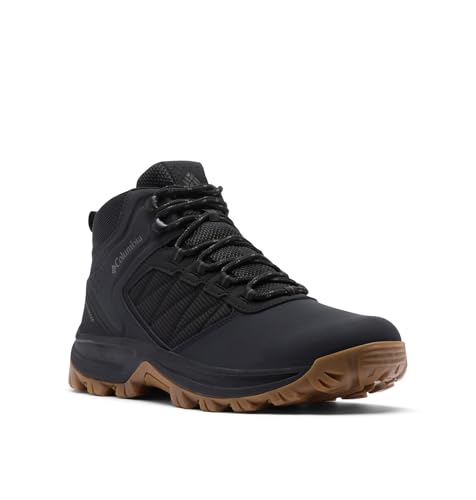
- Waterproof, seam-sealed Omni-Tech construction
- Techlite cushioning for lightweight impact absorption
- Omni-Grip traction for wet and dry terrain
Best For: Rainy hikes and varied terrain
Lightweight Dry-Trail Pick
Columbia Men's Crestwood Hiking Boots

- Lightweight, breathable suede-mesh construction
- High-traction tread for dirt and rocks
- Moderate-to-high cushioning with true-to-size fit
Best For: Dry trails and everyday hiking
Waterproof Trail Classic

- Waterproof leather-and-mesh construction
- Cushioned midsole for trail comfort
- Omni-Grip traction for varied terrain
Best For: Wet-weather hikes and rough trails
Lightweight Grip Pick

- Lightweight 390 g design
- EVA cushioning for step absorption
- Traxion outsole for multidirectional grip
Best For: Dry day hikes and casual outdoor wear
Comfortable Weather-Ready Boot
Skechers Respected Boswell Boot

- Roomy Relaxed Fit design
- Memory Foam and Goga Mat cushioning
- Water-repellent upper with grippy outsole
Best For: Casual outdoor use and lighter hikes
Trail-Ready Waterproof Pick

- Waterproof KEEN.DRY membrane
- 4mm lugs with protective toe guard
- Roomy fit with supportive footbed
Best For: Wet, rocky trails and roomy-fit comfort
Classic Trail Comfort

- Pigskin leather and breathable mesh
- Protective toe cap and bellows tongue
- Removable contoured insole
Best For: Dry day hikes and general trail walking
Lightweight Waterproof Value

- Waterproof mid-top construction
- Lightweight 1.25-pound listed weight
- Memory foam and EVA cushioning
Best For: Wet-weather hiking and varied outdoor activities
Reliable Trail Classic – Merrell Men's Moab 3 Hiking Shoe
If you want dependable hiking shoes for men with moderate cushioning and a familiar low-top design, the Merrell Moab 3 is a practical choice. Its suede-and-mesh upper, protective toe cap, and bellows tongue are suited to everyday trails and casual outdoor wear.
Best For: Day hikes, casual outdoor use, and hikers seeking moderate support.
Pros:
- Suede and mesh upper balances durability and breathability.
- Protective toe cap and bellows tongue help shield feet from trail debris.
- Removable contoured insole provides reinforced heel cushioning and moderate support.
- Uses recycled laces, webbing, and mesh lining.
Cons:
- Not water resistant.
- Moderate cushioning may be less suitable for hikers wanting maximum impact protection.
The Moab 3 is a versatile, neutral-support hiking shoe with a comfort-focused construction. Choose it for dry-to-mixed conditions rather than wet-weather protection.
Everyday Trail Value – adidas Terrex Eastrail 3 Hiking Shoes
The adidas Terrex Eastrail 3 is a straightforward option among hiking shoes for men, pairing a low-top sneaker profile with rubber construction and a lace-up closure. Its neutral grey styling also works well for casual wear beyond the trail.
Best For: Light outdoor use, casual hiking, and shoppers wanting a simple low-top hiking sneaker.
Pros:
- Low-top design offers a familiar sneaker-like profile.
- Lace-up closure allows adjustable fit.
- Rubber outer, lining, insole, and sole materials provide a straightforward trail-ready build.
- Grey/Carbon/Black colorway is easy to pair with casual clothing.
Cons:
- Not water resistant.
- The supplied details do not specify cushioning, support, or traction features.
This Terrex model makes sense for buyers prioritizing a simple adidas hiking sneaker. For demanding terrain or wet conditions, look for a model with more specifically documented protection and waterproofing.
Wet-Weather Defender – Columbia Men's Transverse Hike Waterproof
For hiking shoes for men that prioritize protection from changing weather, the Columbia Transverse Hike Waterproof stands out with seam-sealed Omni-Tech construction. It combines a leather-and-mesh upper with Techlite cushioning and Omni-Grip traction for varied surfaces.
Best For: Hikers who regularly encounter moderate rain, snow, rock, dirt, and gravel.
Pros:
- Waterproof, seam-sealed Omni-Tech construction helps keep feet dry.
- Techlite cushioning is designed for lightweight impact absorption and energy return.
- Omni-Grip tread is made for traction across wet and dry terrain.
- Leather and mesh upper includes a cushioned collar and metal hardware.
Cons:
- The supplied details list a pull-on closure rather than traditional laces.
- Mid-top construction may feel less minimal than a low-top hiking shoe.
The Transverse Hike Waterproof is the strongest fit here for wet-weather hiking, especially when waterproofing and cross-terrain grip matter more than a lightweight sneaker feel.
Lightweight Dry-Trail Pick – Columbia Men's Crestwood Hiking Boots
The Columbia Crestwood is a practical option for shoppers comparing hiking shoes for men for dry trails. Its lightweight suede-and-mesh build, breathable design, and high-traction tread support hikes on dirt, rocks, and varied terrain without a bulky feel.
Best For: Dry-environment hiking, everyday trail use, and buyers wanting a lightweight design.
Pros:
- Lightweight construction is designed to avoid unnecessary bulk.
- Breathable suede mesh suits dry environments.
- High-traction tread supports stability on dirt, rocks, and varied terrain.
- Moderate-to-high cushioning and a true-to-size fit are listed.
Cons:
- Not water resistant.
- Designed for dry environments rather than wet-weather protection.
- The pull-on closure may offer less adjustment than a traditional lace system.
The Crestwood is a well-rounded dry-trail choice with useful traction and a lighter build. Consider it for everyday hiking, but choose a waterproof model for persistent rain or snow.
Waterproof Trail Classic – Columbia Newton Ridge Plus II
For hikers who want dependable coverage in changing conditions, the Columbia Newton Ridge Plus II is a practical choice among hiking shoes for men. Its waterproof leather-and-mesh construction, cushioned midsole, and multi-terrain traction are suited to rough trails and variable weather.
Best For: Wet-weather hikes, rough terrain, and users who want a supportive mid-top hiking boot.
Pros:
- Waterproof full-grain leather and mesh bootie construction help keep feet dry.
- Lightweight midsole provides cushioning and energy return for extended outings.
- Omni-Grip traction system supports footing across varied terrain, including ice and snow.
- Lace-up closure allows an adjustable, secure fit.
Cons:
- Mid-top boot design provides less flexibility than a low-top hiking shoe.
- Its waterproof construction may feel warmer than a more breathable, non-waterproof option.
The Newton Ridge Plus II stands out when weather protection and traction matter more than a minimalist feel. It is a versatile trail boot for hikers who prefer a secure, durable design.
Lightweight Grip Pick – adidas Terrex Anylander
The adidas Terrex Anylander is a lightweight option for shoppers comparing hiking shoes for men. It combines a stretchy textile upper, reinforced toe cap, EVA cushioning, and a directional Traxion outsole for comfortable movement on rugged terrain.
Best For: Lightweight day hikes and casual outdoor use in dry conditions.
Pros:
- Lightweight construction weighs 390 g in a US size 9.
- EVA midsole helps absorb impact while maintaining durable cushioning.
- Traxion outsole uses lugs designed to maximize grip in multiple directions.
- Reinforced toe cap adds durability to the soft textile upper.
Cons:
- It is not water resistant, so it is less suited to wet-weather hikes.
- Low-top construction offers less ankle coverage than a hiking boot.
Choose the Anylander if low weight, cushioning, and trail grip are your priorities. Its lack of water resistance makes it a better fit for dry outings than rainy or muddy routes.
Comfortable Weather-Ready Boot – Skechers Respected Boswell Boot
Skechers Men's Respected Boswell Mid Top Leather Moc Toe Lace Up Boot - Cdb - 13 Extra Wide
Check Price On AmazonThe Skechers Respected Boswell Boot offers a comfort-focused alternative for shoppers seeking hiking shoes for men with a more casual look. Its roomy Relaxed Fit, memory foam insole, Goga Mat arch cushioning, and water-repellent upper support everyday outdoor wear and lighter hikes.
Best For: Casual outdoor use, lighter hikes, and hikers who prioritize roomy comfort and cushioning.
Pros:
- Relaxed Fit design provides extra room through the toe and forefoot.
- Air-Cooled Memory Foam and Goga Mat cushioning support all-day comfort.
- Goodyear Performance Outsole provides grip and stability.
- Water-repellent leather and synthetic upper helps handle variable weather.
Cons:
- Water-repellent protection is not the same as fully waterproof construction.
- At 2 pounds, it is heavier than the lightweight adidas option.
- Casual boot styling may be less suited to technical hiking than a dedicated trail boot.
The Boswell is a sensible pick for comfort-first buyers who split time between casual wear and outdoor activities. Its cushioning and roomy fit are appealing, while its water-repellent upper adds useful everyday protection.
Trail-Ready Waterproof Pick – KEEN Targhee 3 Low
For hikers seeking dependable hiking shoes for men in wet or uneven conditions, the KEEN Targhee 3 Low combines a waterproof KEEN.DRY membrane with leather-and-mesh construction. Its protective toe guard, supportive shank, and roomy toe box make it a practical low-height option for trail use.
Best For: Wet trails, rocky terrain, and hikers who prefer a roomy low-cut shoe.
Pros:
- Waterproof KEEN.DRY membrane helps keep feet dry while allowing vapor out.
- KEEN ALL-TERRAIN rubber and 4mm multidirectional lugs provide traction on mud and rocks.
- Bruise plate, toe guard, heel cradle, and external shank add trail protection and stability.
- Generous toe space and a removable supportive footbed promote comfortable wear.
Cons:
- Leather construction may require more care than an all-synthetic shoe.
- Moderate cushioning may feel less plush for hikers seeking maximum underfoot softness.
The Targhee 3 Low is a versatile choice when waterproofing, protection, and secure footing matter more than an ultra-minimal feel. Its slightly roomy fit may also suit hikers who prefer extra toe space.
Classic Trail Comfort – Merrell Moab 3
The Merrell Moab 3 is a straightforward option among hiking shoes for men, using pigskin leather and mesh for a balance of durability and breathability. A protective toe cap, debris-blocking tongue, and contoured removable insole support everyday trail use.
Best For: Day hikes and general trail walking in dry conditions.
Pros:
- Pigskin leather and mesh upper combines durability with ventilation.
- Protective toe cap and bellows tongue help shield feet from trail debris.
- Removable Kinetic Fit ADVANCED insole provides contoured medium support.
- Rubber outsole is designed for all-terrain grip.
Cons:
- It is not water resistant, so it is less suited to wet trails.
- The leather-and-mesh upper may feel less lightweight than a fully synthetic design.
The Moab 3 makes sense for hikers who want familiar materials, moderate-to-maximum cushioning, and trail-oriented protection without prioritizing waterproofing. Its neutral fit is listed as true to size.
Lightweight Waterproof Value – SHULOOK Mid-Top Hiker
For shoppers comparing hiking shoes for men with more ankle coverage, this SHULOOK mid-top hiker pairs a waterproof membrane with a lightweight synthetic suede-and-fabric upper. Its memory foam insole, cushioned EVA midsole, and traction rubber outsole are aimed at comfortable use across outdoor activities.
Best For: Lightweight wet-weather hiking, walking, and varied outdoor activities.
Pros:
- Waterproof membrane, sealed structure, and closed-cell tongue help block moisture and debris.
- Lightweight design is listed at 1.25 pounds per pair in size 10.
- Removable memory foam insole provides arch support, while the EVA midsole cushions impact.
- Anti-collision toe design and traction rubber sole add protection and grip.
Cons:
- Synthetic materials may not offer the same feel as leather construction.
- The mid-top ankle design provides more coverage but may feel less flexible than a low shoe.
This hiker is a practical pick for buyers who want waterproofing and ankle-height coverage without a heavy boot feel. Its broad activity description also suits walking, camping, hunting, and other outdoor use.
How We Picked the Best Hiking Shoes for Men
We focused on the features that most affect trail comfort and performance: outsole traction, cushioning, stability, water resistance, breathability, weight, and overall versatility. The selection includes low-cut hiking shoes, sneaker-style trail footwear, and mid-height boots so you can compare protection levels rather than choosing from one design alone.
We also considered the demands of common hiking conditions, including packed dirt, rocky paths, muddy sections, light rain, and extended day hikes. Product specifications, construction details, intended use, and the balance between support and mobility informed the comparison.
Quick Comparison
| Best For | Look For |
|---|---|
| Everyday day hikes | Comfortable cushioning, dependable grip, and a flexible upper |
| Wet trails | Waterproof membranes, sealed construction, and lugged outsoles |
| Rocky or uneven terrain | Stable midsoles, protective toe caps, and supportive heel counters |
| Lightweight travel | Low-profile designs, breathable materials, and flexible traction |
| Extra ankle protection | Mid-height collars and structured uppers |
Key Buying Factors for Hiking Shoes for Men
Fit and Sizing
Fit should be secure at the heel and midfoot while leaving enough room for your toes to spread. Try shoes with the socks you plan to hike in, and allow extra space if you regularly hike downhill or in cold weather. A loose heel can cause blisters, while an overly tight toe box can create pressure and numbness.
Traction and Terrain
Look for a rubber outsole with lugs suited to your routes. Moderate lugs work well on maintained paths and packed dirt; deeper, more widely spaced lugs shed mud better. For rocky terrain, prioritize consistent edge grip and a stable platform.
Waterproofing and Breathability
Waterproof hiking shoes help with rain, wet grass, and shallow puddles, but they can feel warmer than non-waterproof models. Choose breathable uppers for hot, dry conditions, and remember that waterproof footwear still needs properly treated seams and careful drying after use.
Support, Cushioning, and Weight
More cushioning can improve comfort on long hikes, while a firmer midsole may feel steadier under a loaded pack. Lightweight shoes reduce fatigue, but structured boots may provide better protection on rough trails. Match the shoe to your pack weight and the difficulty of your usual hikes.
Who Should Buy Which Hiking Shoes for Men?
Choose a versatile low-cut hiking shoe for regular day hikes and mixed everyday use. A waterproof model is the better choice for rainy climates, wet vegetation, or shoulder-season routes. If you hike rocky terrain or carry heavier loads, prioritize protective uppers, stable midsoles, and stronger heel support. For casual outdoor use and short, easy trails, a lighter sneaker-style option may provide the most comfortable fit. Those seeking additional ankle coverage should consider a mid-height boot, especially when hiking uneven ground or carrying a pack.