If you’re recovering from ACL surgery or working through knee rehab, the right pedal exerciser can help you rebuild motion without adding unnecessary strain.
This roundup focuses on low-impact, adjustable options that support safer at-home rehab, whether you need passive assistance, light resistance, or simple seated movement.
Best 10 ACL Rehab Pedal Exerciser Picks for 2026
Motorized Rehab Support
PHYCISER Electric Pedal Exercise Bike

- 2-in-1 arm and leg exerciser
- 20 speeds with anti-spasm protection
- Quiet motor with remote control
Best For: Post-surgery recovery and seniors needing assisted pedaling
Simple Manual Mobility

- Manual resistance adjustment
- Lightweight and portable design
- For arm and leg low-intensity exercise
Best For: Light rehab and everyday seated movement
Compact Assisted Recovery
Motorized Pedal Exerciser with Remote
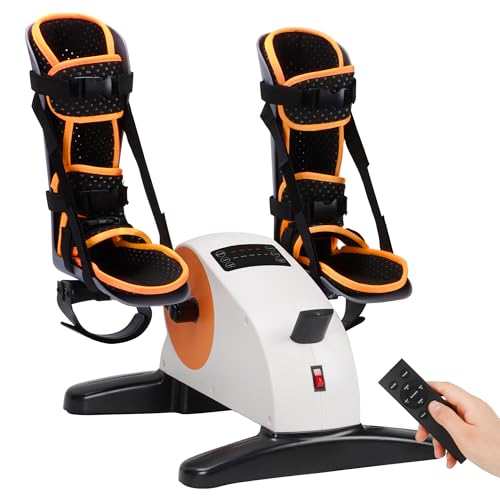
- 12-speed motorized assistance
- Remote-controlled LCD display
- Compact design with adjustable leg guards
Best For: Compact rehab support for seniors and post-op users
All-in-One Rehab Station

- Arm and leg workouts with resistance bands
- Massage function plus adjustable fit
- Sturdy frame with suction-cup stability
Best For: Multifunction home rehab and seated total-body exercise
Quiet electric recovery elliptical
Quiet Electric Seated Elliptical

- 12 manual speeds plus 3 auto programs
- Low-impact motion suited to leg rehab
- Remote control and LCD display for easy use
Best For: Quiet seated rehab and light daily leg movement
Basic manual rehab pedaler

- Manual tension knob for adjustable resistance
- Works for arms or legs during light recovery
- Compact, quiet, and easy to place
Best For: Simple low-intensity rehab and desk-side pedaling
Adjustable full-body rehab trainer
Stable Adjustable Pedal Exerciser Bike

- Height and length adjust for better fit
- Sturdy base with suction cups for stability
- Adds resistance bands and a massage function
Best For: Structured rehab with extra adjustability and stability
Motorized Progressive Recovery
Nobol PhysioPedal Motorized Under Desk Exercise Bike

- Motorized and manual pedaling modes
- 8 resistance levels with adjustable speed
- Remote control and LED tracking
Best For: Seated rehab users who want assisted, low-impact progression
Stable Seated Therapy
Adjustable Pedal Exerciser Bike for Seniors

- Adjustable tension and height
- Magnetic resistance with quiet operation
- Suction cups and metal frame for stability
Best For: Seniors and rehab users needing a stable seated exerciser
Compact Assisted Motion
HOMGIM Mini Exercise Bike for Rehab

- Motorized or manual assisted workout modes
- 6 speed levels with forward/reverse control
- Compact 8-pound frame with LCD display
Best For: Users wanting a small, quiet pedal exerciser for gentle rehab
Motorized Rehab Support – PHYCISER Electric Pedal Exercise Bike
If you’re shopping for an ACL rehab pedal exerciser, this motorized PHYCISER model is built for gentle, assisted movement at home. Its 2-in-1 arm and leg setup, leg supports, and multiple speed settings make it a practical option for low-impact recovery work when mobility is limited.
Best For: Post-surgery recovery, seniors, and users who want assisted pedaling with leg support.
Pros:
- Motorized 2-in-1 design supports both arm and leg exercise.
- 20 speed levels plus forward and reverse rotation for varied rehab use.
- Anti-spasm protection pauses if excess resistance is detected.
- Quiet operation and remote control make it easy to use while seated.
Cons:
- Corded electric operation limits placement to areas near an outlet.
- More feature-rich than a basic manual pedal exerciser.
- Best suited to gentle rehab rather than high-intensity training.
For recovery-focused users, this unit stands out for its safety features and assisted motion. It offers a controlled way to keep joints moving, especially when you need a stable, low-impact ACL rehab pedal exerciser for home therapy.
Simple Manual Mobility – RYGEO Mini Pedal Exerciser
This RYGEO mini bike is a straightforward ACL rehab pedal exerciser for light, low-intensity movement. It uses manual resistance adjustment and a compact footprint, which makes it a simple choice for home, desk, or floor-based recovery sessions.
Best For: Users who want a basic, portable manual exerciser for light rehab or daily movement.
Pros:
- Designed for both leg and arm cycling.
- Tension knob lets you adjust resistance for low-intensity use.
- Lightweight and space-saving for easy storage or travel.
- Made with reinforced steel pipes and ABS plastic for stable use.
Cons:
- Manual design lacks powered assistance for easier pedaling.
- No display or advanced tracking features are listed.
- Best for light exercise rather than intensive rehab support.
If you want a no-frills pedal exerciser, this model keeps things simple and portable. It fits users who mainly need gentle motion and basic resistance instead of a motorized rehab system.
Compact Assisted Recovery – Motorized Pedal Exerciser with Remote
For an ACL rehab pedal exerciser that leans toward assisted movement, this motorized unit delivers smooth pedaling in a compact package. The included remote and LCD monitor make it easy to manage seated sessions without bending down or interrupting recovery work.
Best For: Seniors, post-op users, and anyone wanting compact motorized rehab support.
Pros:
- 12-speed motorized assistance supports gentle arm and leg training.
- Remote-controlled LCD display tracks workout data hands-free.
- Compact, portable design fits under desks or beside a sofa.
- Adjustable leg guards and non-slip pedals add stability and comfort.
Cons:
- Fewer speed levels than some other motorized models.
- Smaller footprint may mean less of a traditional bike feel.
- Designed for low-impact rehab, not strenuous exercise.
This is a strong pick if space is tight but you still want electric assistance for rehab. It combines portability, remote control, and stable pedaling in a format that suits gentle recovery routines.
All-in-One Rehab Station – ZIDAFIT Pedal Exerciser Bike
This ZIDAFIT model is a versatile ACL rehab pedal exerciser for users who want more than basic pedaling. It combines arm and leg exercise with resistance bands, adjustable height settings, and a massage function, making it a feature-rich option for seated recovery and daily movement.
Best For: Users who want a multifunction rehab setup with pedaling, stretching, and massage features.
Pros:
- Supports upper and lower body workouts in one unit.
- Resistance bands and massage function add extra rehab variety.
- Adjustable height and base length help dial in fit.
- Sturdy steel frame, triangular base, and suction cups improve stability.
Cons:
- Manual operation may require more effort than motorized alternatives.
- Bulkier than compact mini pedal exercisers.
- Some users may not need the extra band and massage features.
For buyers who want a more complete home therapy setup, this model offers a lot of versatility. It suits recovery routines that benefit from adjustable support, seated exercise, and added comfort features in one machine.
Quiet electric recovery elliptical – Quiet Electric Seated Elliptical
If you want an ACL rehab pedal exerciser that keeps movement gentle, the PUTNEN under desk elliptical is built for low-impact seated use with both manual and auto modes. Its forward and backward pedal motion, adjustable speeds, and quiet operation make it a practical option for light daily leg activity at home or in the office.
Best For: People who want quiet, seated, low-pressure leg movement during ACL recovery or other gentle rehab routines.
Pros:
- 12-speed manual mode plus three auto programs for flexible pacing.
- Low-impact motion is described as suitable for leg rehabilitation and joint flexibility.
- Quiet design and compact 8.1 lb build make it easy to use in shared spaces.
- LCD display and remote control add convenience during seated sessions.
Cons:
- Remote control batteries are not included.
- Corded electric design means it needs a power source.
For shoppers prioritizing convenience and smooth, seated movement, this model offers the most rehab-friendly feature set in the group. It is especially appealing if you want adjustable intensity without standing or straining the back.
Basic manual rehab pedaler – Lightweight Manual Floor Bike
This ACL rehab pedal exerciser keeps things straightforward with manual resistance and a compact, portable frame. The RYGEO mini exercise bike is designed for arm and leg use, with adjustable tension, non-slip pedals, and quiet operation that works well for light recovery sessions or desk-side movement.
Best For: Users who want a simple, manual pedal exerciser for gentle arm or leg rehab at home.
Pros:
- Manual tension knob lets you adjust resistance without any power cord.
- Can be used for both upper- and lower-body movement.
- Compact 16 x 14 x 9 size fits easily in home or office setups.
- Non-slip pedals and foot straps help keep feet in place.
Cons:
- Not intended for strenuous exercise or a hard workout.
- Fewer resistance levels than larger rehab bikes.
This is the most no-frills option here, which can be a plus if you just want controlled, low-intensity motion. It makes sense for users who value portability and simple resistance adjustments over extra features.
Adjustable full-body rehab trainer – Stable Adjustable Pedal Exerciser Bike
If you want an ACL rehab pedal exerciser with more support features, this seated pedal bike adds adjustable handles, a height-adjustable frame, and extra stability. It is built for low-impact sitting exercise, physical therapy, and recovery work, while also including resistance bands and a massage function for a broader routine.
Best For: Users who want a sturdier seated rehab machine with adjustable fit and extra upper-body options.
Pros:
- 5-level height adjustment and stepless length adjustment help tailor the fit.
- Manual tension on both pedals and handles supports rehab-style pacing.
- Sturdy steel frame, triangular base, and suction cups improve floor stability.
- LCD display tracks time, counts, total counts, and calories.
Cons:
- Heavier and larger than basic mini pedal exercisers.
- Requires assembly and setup compared with simpler pedal units.
Among these options, this one looks best if fit, stability, and versatility matter most. The combination of adjustable geometry and upper-body add-ons makes it a strong choice for structured home rehab routines.
Motorized Progressive Recovery – Nobol PhysioPedal Motorized Under Desk Exercise Bike
If you want an ACL rehab pedal exerciser that can start with assisted movement, the Nobol PhysioPedal stands out for its motorized and manual modes. It offers adjustable speed and resistance, forward and reverse rotation, and a compact seated design that works for gentle lower-body movement or light arm sessions during recovery.
Best For: People who want a motorized, low-impact pedal exerciser for progressive seated rehab and everyday mobility work.
Pros:
- Motorized and manual modes support assisted or self-driven pedaling.
- Adjustable speed and 8 resistance levels give room to progress gradually.
- Forward and reverse rotation can vary movement during rehab sessions.
- Remote control and LED display make it easy to adjust settings and track time, distance, speed, and calories.
Cons:
- Powered operation may be more than some buyers need for very basic pedaling.
- At 19 pounds, it is portable but not ultra-light.
This is a strong fit if you want a seated recovery tool that can evolve from assisted motion into more active pedaling. Its quiet, compact build and remote controls make it practical for regular use at home or in the office.
Stable Seated Therapy – Adjustable Pedal Exerciser Bike for Seniors
This ACL rehab pedal exerciser is built around simple adjustability and stable seated use. The ZIDAFIT pedal exerciser offers adjustable tension and height, magnetic resistance, and a compact setup for arm, leg, and knee workouts from a chair or sofa.
Best For: Seniors and rehab users who want a stable, easy-to-use pedal exerciser for seated therapy work.
Pros:
- Adjustable tension and height help personalize seated workouts.
- Magnetic resistance supports quiet operation during rehab sessions.
- 4 suction cups and rustproof metal tubes improve floor stability.
- LCD monitor tracks time, distance, calories, and counts with one-button control.
Cons:
- Power is battery based rather than corded.
- Maximum weight recommendation is 120 kg, which may not suit every buyer.
This model makes sense if stability and straightforward operation matter more than extra features. It is especially appealing for low-impact daily use, with a simple monitor and an easy setup that suits home rehab routines.
Compact Assisted Motion – HOMGIM Mini Exercise Bike for Rehab
For an ACL rehab pedal exerciser that stays compact and quiet, the HOMGIM Mini Exercise Bike is a practical under-desk option. It supports motorized or manual assisted workouts, adjustable speed, and forward or backward motion, making it useful for seated arm or leg sessions at home or while working.
Best For: Buyers who want a small, motorized pedal exerciser for light rehab work and circulation support.
Pros:
- Motorized and manual assisted modes provide flexible workout options.
- 6 speed levels and direction control help tailor the session.
- Compact 8-pound design is easy to move and store.
- LCD display tracks time, distance, turns, total count, and calories.
Cons:
- Maximum speed is only 6 rpm, so it is geared toward gentle use.
- Resistance details are less extensive than some heavier rehab units.
This is a good choice if you want a simple, space-saving exerciser for low-intensity rehab or circulation work. It is especially useful for users who value quiet operation, small size, and easy speed control.
How We Picked the Best ACL Rehab Pedal Exerciser
For an ACL Rehab Pedal Exerciser, we looked for controls that support gradual progression, smooth motion, stable footing, and a compact design that works well at home. Priority went to models with adjustable speed or resistance, comfortable leg positioning, and features that make it easier to stay consistent during recovery.
We also favored options that are practical for real-world rehab: quiet operation, easy setup, readable monitors, remote controls, and portability for use beside a chair, couch, or desk. Because post-ACL needs can change quickly, flexibility matters more than raw intensity.
Quick Comparison
Motorized pedal exercisers are the best fit when you want assisted motion and a gentler starting point. Manual mini bikes and under-desk pedals are better when you’re ready for active movement and want more control over pace and effort. Some designs add arm training, which can be useful for overall conditioning, but knee-focused users should prioritize stable lower-body positioning first.
Key Buying Factors for ACL Rehab Pedal Exerciser
Range of Motion and Assist Level
After ACL rehab, the most important factor is whether the machine allows small, controlled movements. Look for adjustable speed settings, low starting resistance, and, if needed, motorized assistance to reduce strain while you regain motion.
Stability and Fit
A secure base and supportive pedal design help keep the injured leg aligned. Check that the unit stays planted on the floor and that strap or foot support feels comfortable for longer sessions.
Quiet, Low-Stress Operation
Rehab sessions should be easy to repeat daily. Quiet machines are less distracting and make it simpler to use the exerciser while watching TV, reading, or following a recovery routine.
Ease of Use
Simple controls, a remote, or a clear display can make a big difference if you’re recovering from surgery and don’t want to bend, reach, or fuss with setup. Portability is another plus if you plan to move it between rooms.
Who Should Buy Which ACL Rehab Pedal Exerciser?
If you’re early in recovery or need very gentle motion, choose a motorized ACL Rehab Pedal Exerciser with low-speed settings and support features. If you’ve already cleared the initial stage and want to rebuild strength, a manual pedal exerciser with adjustable resistance is often the better value. For users who want an all-around seated fitness tool, a compact model that also works for arm training can be a practical long-term choice.
In short, match the machine to your recovery stage, comfort level, and therapist guidance. The best pick is the one you’ll use consistently without causing pain, swelling, or overexertion.