Finding the best anti-fatigue mat for multiple sclerosis can make standing tasks more comfortable by cushioning your feet and reducing pressure on hard floors. The right choice depends on thickness, stability, surface traction, and how easily you can move around it.
We compared 10 mats suited to kitchens, home offices, standing desks, and other everyday spaces. This guide focuses on practical comfort and usability—not medical treatment—so you can match a mat to your routine and mobility needs.
Best 10 Anti Fatigue Mat for Multiple Sclerosis Picks for 2026
Best Everyday Comfort
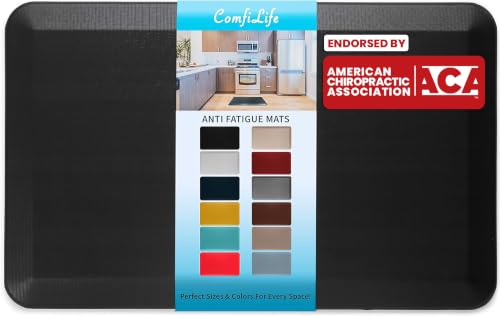
- 3/4-inch high-density memory foam
- Non-slip, stain-resistant surface
- Useful in kitchen, office, or laundry areas
Best For: Everyday standing comfort in multiple home or work areas
Best Large-Coverage Option

- 36-by-60-inch standing surface
- Durable 3/8-inch vinyl foam construction
- Can be cut to fit custom spaces
Best For: Large standing areas in home, office, garage, or gym settings
Best Cushioned Kitchen Fit
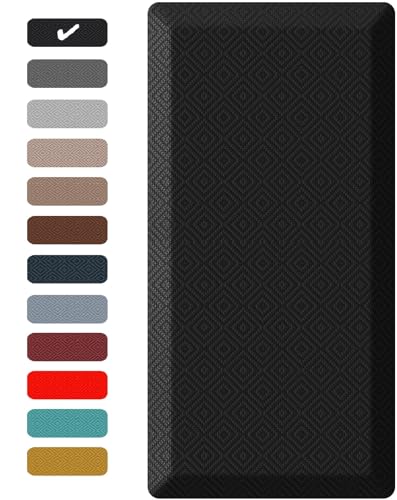
- 3/4-inch high-density recycled foam
- Anti-slip ridges and beveled ramp edge
- Waterproof, stain-resistant surface
Best For: Kitchen, sink, laundry, or home-office standing tasks
Best for Standing Desks

- 3D calculated terrain encourages foot movement
- Easy one-foot repositioning
- Seven-year warranty and satisfaction guarantee
Best For: Standing-desk users seeking a contoured, active surface
Dynamic Standing Support

- Contoured terrain promotes small movements
- Durable, cushioned polyurethane surface
- 7-year warranty and satisfaction guarantee
Best For: Compact standing-desk workstations
Maximum Cushioning Choice
FEATOL Extra-Thick Memory Foam Mat

- Extra-thick 0.9-inch memory foam
- Stain-resistant PU leather surface
- Non-slip base with beveled edges
Best For: Thicker cushioning at kitchen counters, desks, or workbenches
Compact Massage Comfort

- 3/4-inch PU memory-foam cushioning
- Massage points for tired feet
- Portable handle and slip-resistant bottom
Best For: Compact standing areas and portable use
Extra-Thick Everyday Support
FEATOL 1-Inch Anti-Fatigue Mat

- 1-inch high-density memory foam
- Non-slip backing with beveled edges
- Water-resistant surface wipes clean
Best For: Extended standing at desks, counters, and work areas
Waterproof Workstation Cushion
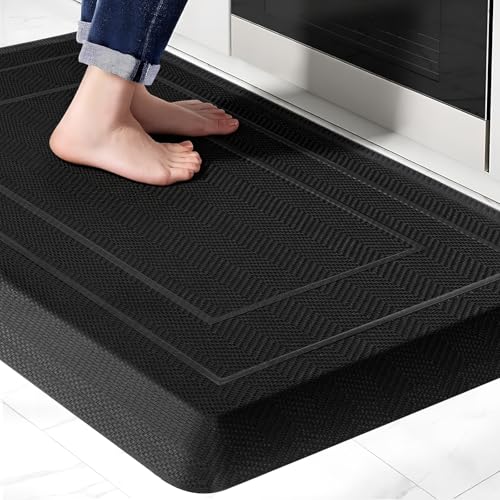
- Cushioned 20-by-32-inch standing surface
- Waterproof, wipe-clean design
- Non-skid bottom and beveled edge
Best For: Kitchens and workstations with frequent spills
Best Everyday Comfort – ComfiLife Anti-Fatigue Mat
For shoppers seeking an anti fatigue mat for multiple sclerosis, the ComfiLife offers a cushioned 3/4-inch memory foam surface for standing tasks at home or work. Its 20-by-39-inch rectangular design fits common kitchen, office, laundry, and workbench areas.
Best For: Everyday standing comfort in kitchens, offices, laundry rooms, or at workbenches.
Pros:
- High-density memory foam helps cushion feet, knees, legs, and back.
- Non-slip backing and stain-resistant surface support practical daily use.
- Wipes clean with a damp cloth and is BPA-, latex-, lead-, and phthalate-free.
Cons:
- The 20-by-39-inch size provides less coverage than larger mats.
- Its flat design may offer fewer positioning options than a contoured desk mat.
This is a versatile, easy-care choice when you want straightforward cushioning for routine standing activities. Confirm that its dimensions and 3/4-inch thickness suit your available floor space.
Best Large-Coverage Option – Guardian Air Step Vinyl Mat
The Guardian Air Step is a practical anti fatigue mat for multiple sclerosis when broad floor coverage is important. Its 36-by-60-inch vinyl format creates a large standing area, while the foam structure is designed to reduce fatigue and discomfort.
Best For: Large kitchen, office, garage, warehouse, or home-gym standing zones.
Pros:
- Generous 36-by-60-inch dimensions cover a wide workspace.
- Durable 3/8-inch vinyl construction is designed for resilience.
- Can be cut to a custom size with scissors.
- Yellow borders provide a visible safety accent.
Cons:
- At 3/8 inch, it is thinner than the 3/4-inch cushioned mats in this roundup.
- The black-and-yellow design may be less understated in a home setting.
- It weighs 10 pounds, which may make repositioning less convenient.
Choose this model for coverage and adaptable sizing rather than maximum thickness. Its easy-to-cut vinyl construction can be useful when a mat needs to fit an unusually shaped area.
Best Cushioned Kitchen Fit – Ophanie Anti-Fatigue Mat
The Ophanie is a strong anti fatigue mat for multiple sclerosis for people who want a thick, cushioned mat near a sink, desk, or laundry area. Its 20-by-48-inch surface uses high-density recycled foam, a textured PVC leather top, and numerous anti-slip bottom ridges.
Best For: Extended standing in kitchens, at sinks, or in home offices.
Pros:
- Approximately 3/4-inch cushioning provides shock absorption and support.
- 99-plus pairs of anti-slip bottom ridges and a beveled ramp edge support stability.
- Waterproof, stain-resistant surface wipes clean with a damp cloth.
- Arrives flat-packed to help avoid curling or creases.
Cons:
- The 20-by-48-inch format may not suit compact spaces.
- Its kitchen-focused design may be less appropriate for users seeking a dedicated desk mat.
This model balances a longer standing surface with substantial cushioning and edge treatment. It is worth considering when floor stability and easy maintenance are priorities.
Best for Standing Desks – Ergodriven Topo Mat
The Ergodriven Topo is a specialized anti fatigue mat for multiple sclerosis for standing-desk users who prefer an active, contoured surface. Its 3D calculated terrain encourages subtle foot movement, and the indentation makes it easier to reposition with one foot.
Best For: Home or office standing desks where movement and easy repositioning are priorities.
Pros:
- Contoured 3D terrain offers an alternative to a flat mat.
- Thick polyurethane foam provides cushioned yet supportive standing comfort.
- Heel-or-toe indentation helps users move the mat without bending down.
- Includes a seven-year manufacturer warranty and full-refund satisfaction guarantee.
Cons:
- Its 29-by-26.25-inch footprint is smaller than the large floor mats.
- The 2.7-inch contoured profile may require more clearance around a desk.
- It is intended primarily for office or home-workspace use rather than broad kitchen coverage.
Topo is the most desk-specific option in this group, emphasizing active standing and convenient repositioning over broad, flat coverage. Its specialized shape may appeal to users who find conventional flat mats limiting.
Everyday Kitchen Comfort – Cushioned PVC Anti-Fatigue Mat
This cushioned PVC mat is a practical, budget-friendly option if you need an anti fatigue mat for multiple sclerosis during routine kitchen, office, or workstation tasks. Its 0.5-inch foam construction provides a softer standing surface, while the water-resistant finish is simple to maintain.
Best For: Kitchen counters, sinks, offices, and other areas where you stand for extended periods.
Pros:
- Soft PVC foam cushioning helps support feet, knees, legs, and back while standing.
- Diamond-patterned underside and beveled edge are designed to improve stability and reduce tripping risk.
- Water-resistant surface can be wiped, vacuumed, or swept clean.
- Neutral khaki color and compact 39-by-17.3-inch size suit many home spaces.
Cons:
- The 0.5-inch thickness offers less cushioning than thicker foam alternatives.
- It must be placed on a flat, dry floor because water underneath may cause slipping.
- Creases may appear after unpacking and require flattening with the listed hairdryer method.
Choose this mat for straightforward cushioning and easy care rather than maximum thickness. Its smaller rectangular footprint works well where you need targeted support without covering a large area.
Dynamic Standing Support – Topo Mini 3D Desk Mat
The Topo Mini is a specialized standing-desk mat for shoppers seeking an anti fatigue mat for multiple sclerosis in a work setting. Its cushioned polyurethane surface uses raised, contoured terrain to encourage small movements while standing, rather than providing a completely flat platform.
Best For: Standing-desk users who want a compact mat with supportive cushioning and an active 3D surface.
Pros:
- 3D calculated terrain encourages natural foot movement while standing.
- Durable polyurethane construction is cushioned yet supportive and contains no PVC or PFAS according to the supplied notes.
- Compact 25.2-by-19.2-inch design can be repositioned with one foot using its indentation.
- Includes a 7-year manufacturer’s warranty and a full-refund satisfaction guarantee.
Cons:
- The 25.2-by-19.2-inch footprint provides less coverage than larger kitchen or office mats.
- Its contoured surface may not suit shoppers who prefer a flat, uniform standing area.
- At 4 pounds, it is heavier than some basic flat mats.
This is the most purpose-built choice here for a standing desk. The textured terrain may help make standing more active, but shoppers should consider whether that shape feels comfortable for their individual balance and mobility needs.
Maximum Cushioning Choice – FEATOL Extra-Thick Memory Foam Mat
With its 0.9-inch thickness, the FEATOL mat is a strong candidate for anyone comparing an anti fatigue mat for multiple sclerosis and prioritizing substantial cushioning. High-density memory foam is paired with a PU leather surface for support during prolonged standing in kitchens, offices, laundry rooms, or workshops.
Best For: People who want a thicker, supportive standing mat for home or work areas.
Pros:
- Extra-thick 0.9-inch high-density memory foam balances cushioning and rebound.
- PU leather top is stain resistant and designed to resist punctures and tears.
- Non-slip underside and low-angle beveled edges help keep the mat in place and reduce tripping hazards.
- Ships flat rather than folded or curled, so it is intended for immediate use without warping.
Cons:
- At 20 by 32 inches, it offers a relatively limited standing area.
- The supplied care instructions specify hand washing, which is less convenient than simply wiping some mats.
- Its substantial cushioning may feel less firm than a thinner, flatter mat.
FEATOL stands out when thickness and underfoot cushioning matter most. Its stain-resistant surface and safety-oriented edges make it versatile, while the compact size is better suited to a single standing position than broad floor coverage.
Compact Massage Comfort – Purple 3/4-Inch Standing Mat
For shoppers seeking an anti fatigue mat for multiple sclerosis, this compact 3/4-inch polyurethane memory-foam mat offers cushioned support for short standing sessions at a desk, counter, or sink. Its massage points and portable handle add convenience, while the slip-resistant bottom helps keep it stable on dry floors.
Best For: Small standing areas, portable use, and shoppers who want massage-point cushioning in a purple design.
Pros:
- 3/4-inch PU memory-foam cushioning helps soften pressure underfoot.
- Massage points are designed to stimulate circulation and reduce muscle fatigue.
- Handle, slip-resistant bottom, and 22-by-17-inch size make it easy to move and use in compact spaces.
Cons:
- The 22-by-17-inch footprint provides less standing coverage than larger mats.
- The massage-point surface may not suit users who prefer a completely smooth mat.
This is a practical choice when portability and targeted foot stimulation matter more than maximum floor coverage. The supplied notes describe comfort features, not medical benefits, so use it as a supportive standing surface rather than a treatment device.
Extra-Thick Everyday Support – FEATOL 1-Inch Anti-Fatigue Mat
This FEATOL model is a strong option for anyone comparing an anti fatigue mat for multiple sclerosis and prioritizing substantial cushioning. Its 1-inch high-density memory-foam core provides a thick, supportive surface for standing desks, kitchen counters, laundry rooms, and other indoor work areas.
Best For: Longer standing sessions where extra thickness, broad placement, and easy cleanup are priorities.
Pros:
- 1-inch high-density memory foam provides substantial cushioning.
- Textured non-slip backing and beveled edges support stable placement and smoother transitions.
- Water-resistant PU surface resists everyday water, grease, and stains and wipes clean with a damp cloth.
- Ships flat and is designed to retain its shape with regular use.
Cons:
- The supplied details list the featured size as 20 by 32 inches, so it may be more mat than needed for very small spaces.
- It is listed in black with a solid pattern, offering limited style variety in the supplied information.
With the thickest cushioning of these three options, the FEATOL is well suited to a dedicated standing station. Its beveled edges and wipe-clean surface add everyday practicality, although individual comfort preferences should guide the final choice.
Waterproof Workstation Cushion – UKISS 9/10-Inch Cushioned Mat
For an anti fatigue mat for multiple sclerosis in a kitchen or workstation, the UKISS provides a 20-by-32-inch cushioned standing surface with a 9/10-inch thickness claim. Its high-density memory foam, waterproof surface, non-skid bottom, and beveled edge are designed for practical everyday standing.
Best For: Kitchens, laundry rooms, standing desks, and other busy areas where water resistance and broad coverage are useful.
Pros:
- High-density foam cushioning is designed to reduce pressure and fatigue during standing.
- Waterproof surface can be wiped clean after water, oil, or other spills.
- Non-skid bottom and beveled edge support stability and help reduce tripping concerns.
- 20-by-32-inch dimensions suit larger standing zones and multiple indoor settings.
Cons:
- The listed thickness is inconsistent: the title and bullet state 9/10 inch, while the dimensions detail lists 0.78 inch.
- Product-care details specify hand washing, despite the wipe-clean surface.
- The striped black design may be less visually neutral than a solid mat.
UKISS offers useful coverage and spill-resistant practicality for high-traffic areas. Because the supplied specifications conflict on thickness, verify the current listing details if exact cushioning height is important to your decision.
How We Picked the Best Anti Fatigue Mat for Multiple Sclerosis
We evaluated these mats for the features that matter most when standing may cause discomfort or fatigue. Our comparison considered cushioning thickness, foam or vinyl construction, surface grip, edge design, water resistance, available sizes, and ease of cleaning. We also looked for useful differences between flat mats, extra-thick options, and contoured standing-desk mats.
Because multiple sclerosis affects people differently, comfort is personal. A mat should support your preferred standing position without creating an unstable surface, increasing trip risk, or making it harder to transfer weight safely.
Quick Comparison
| Best For | What to Look For |
|---|---|
| Kitchen and household tasks | Water-resistant surface, beveled edges, and easy cleaning |
| Standing desk use | Stable cushioning, adequate width, and room to reposition your feet |
| Maximum softness | Thicker foam, while checking that it does not feel unstable |
| Small work areas | Compact dimensions and edges that stay clear of chair or foot traffic |
| Active standing | Contoured terrain or massage-style texture for gentle foot movement |
Key Buying Factors for an Anti-Fatigue Mat for Multiple Sclerosis
Thickness and Cushioning
Most options in this roundup measure about three-quarters of an inch or more. Thicker mats can feel softer on tile, wood, or concrete, but excessive softness may reduce stability. Choose the thickest option that still feels secure underfoot.
Grip and Edge Safety
Look for a non-slip underside and beveled edges that reduce catching your toes. Place the mat fully flat and keep surrounding floor space clear. Avoid mats that curl, slide, or bunch during normal use.
Size and Placement
Measure the area before buying. A kitchen mat should cover the main standing zone without blocking cabinets, while a desk mat should leave enough room to shift position. A smaller mat may be easier to move, but a larger one can provide more consistent coverage.
Surface and Maintenance
Waterproof or wipe-clean surfaces are useful near sinks and food-preparation areas. Textured surfaces may offer traction, but deep patterns can be harder to clean or uncomfortable for bare feet.
Who Should Buy Which Anti Fatigue Mat for Multiple Sclerosis?
Choose a standard cushioned kitchen mat for everyday cooking, washing dishes, or household tasks. Select an extra-thick FEATOL, UKISS, or similar model when maximum cushioning is your priority and the surface remains stable for you. For a home office, the Ergodriven Topo or Topo Mini may suit shoppers who prefer an active, contoured standing surface rather than a flat pad. Compact mats work well in tight spaces, while larger 3-by-5-foot styles are better for broad work areas.
If balance, sensation, weakness, or fatigue varies, test the mat carefully near a stable support and stop using it if it makes standing or walking feel less secure. An occupational or physical therapist can help you choose a setup appropriate for your needs.