High arches can make long hikes uncomfortable when shoes lack cushioning, structured support, or enough room for natural foot movement. The right pair should balance arch comfort with traction, stability, weather protection, and a secure fit.
We selected 10 hiking shoes and boots for high-arch hikers, including waterproof trail footwear, wide-toe designs, lightweight walking shoes, and supportive options for everyday outdoor use.
Best 10 Hiking Shoes for High Arches Picks for 2026
Roomy Orthopedic Support
OrthoComfoot Waterproof Hiking Boots

- Structured arch support with a supportive heel
- Wide toe box for added forefoot room
- Waterproof upper and non-slip outsole
Best For: Women needing a roomy, supportive waterproof hiking boot
Classic Trail Cushioning

- Removable contoured footbed with heel cushioning
- Vibram TC5+ outsole for trail traction
- Breathable mesh and pig suede upper
Best For: Dry-weather hiking with moderate support and grip
All-Weather Trail Stability
Columbia Transverse Hike Waterproof

- Seam-sealed waterproof, breathable construction
- Techlite cushioning for impact absorption
- Omni-Grip traction for mixed terrain
Best For: Wet-weather and multi-terrain hiking
Wide-Fit Orthotic Comfort
OrthoComfoot Mid-Ankle Hiking Boots
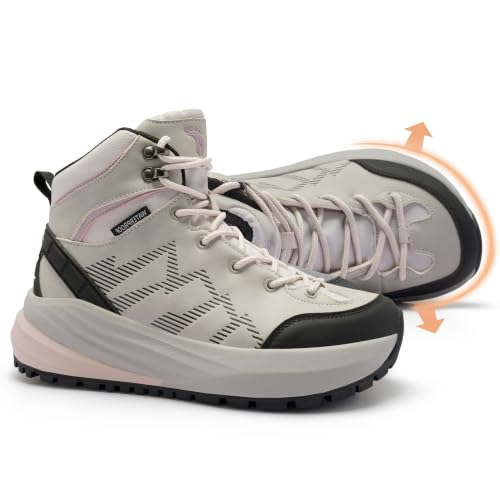
- Contoured orthotic insole supports the arch
- Wide toe box with adjustable lacing
- EVA cushioning and deep traction lugs
Best For: Wide-fit walking and light hiking with orthotic support
Balanced Trail Comfort

- TechLite foam midsole with moderate-to-high cushioning
- Omni-Grip outsole for varied trail terrain
- Suede, mesh, and webbing upper
Best For: Women wanting cushioned, neutral day-hiking shoes
Maximum Orthotic Cushioning
Men's Orthopedic Waterproof Trail Shoes
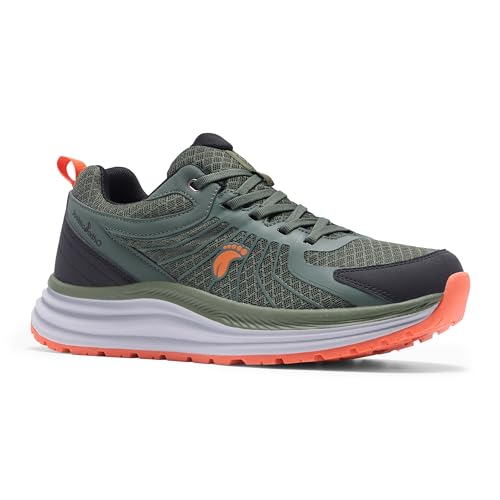
- Targeted arch support with a deep heel cup
- Maximum cushioning with shock-absorbing midsole
- Waterproof breathable mesh and rugged outsole
Best For: Men seeking structured support and waterproof cushioning
Lightweight Dry-Trail Grip

- Lightweight design with TechLite cushioning
- High-traction tread for dirt and rocks
- Breathable suede mesh for dry environments
Best For: Men hiking on dry trails who prefer a lighter shoe
Lightweight Trail Pick
NORTIV 8 Women's Walking Sneakers

- Moderate cushioning with arch-supporting insole
- Splash-proof upper and debris-blocking tongue
- Grippy outsole for trails and urban paths
Best For: Light hiking, walking, and everyday outdoor use
Orthopedic Support Choice
OrthoComfoot Women's Trekking Boots

- Built-in orthotic insoles with strong arch support
- Mid-cut ankle support and secure lace-up fit
- Shock-absorbing, non-slip EVA outsole
Best For: Arch-support-focused walking and moderate trekking
Roomy Orthopedic Support – OrthoComfoot Waterproof Hiking Boots
If you need hiking shoes for high arches with extra forefoot room, these OrthoComfoot boots combine structured arch support with a wide toe box. Their waterproof upper, mid-ankle design, and rugged outsole make them suited to wet trails and everyday outdoor walking.
Best For: Women seeking a roomy, supportive waterproof boot for hiking, trekking, and walking.
Pros:
- Structured arch support and a supportive heel design help reduce fatigue on longer walks.
- Wide toe box accommodates varied foot shapes and sensitivities.
- Waterproof construction and a non-slip rubber outsole suit wet and uneven surfaces.
Cons:
- The mid-ankle boot design may feel more substantial than a low-top hiking shoe.
- The flat sole may not suit shoppers wanting a pronounced heel.
Choose this pair when fit flexibility, arch structure, and weather protection matter more than a lightweight low-cut profile. The roomy shape is particularly useful for extended walking.
Classic Trail Cushioning – Merrell Moab 3 Hiking Shoe
For hikers comparing hiking shoes for high arches, the Merrell Moab 3 offers a removable contoured footbed with reinforced heel cushioning and moderate support. Its breathable mesh panels, suede upper, and Vibram outsole create a practical option for established dirt trails.
Best For: Outdoor hikers wanting moderate support, breathable materials, and dependable dirt-trail traction.
Pros:
- Removable contoured footbed provides moderate support and reinforced heel cushioning.
- Vibram TC5+ outsole is designed for traction across outdoor terrain.
- Suede leather and breathable mesh balance durability with airflow.
Cons:
- It is not water resistant, so it is less suitable for wet conditions.
- Moderate cushioning and support may not be enough for every high-arch wearer.
This is a sensible dry-weather choice for shoppers who prefer a traditional low-top hiking shoe and want an adjustable, removable footbed. Consider a more weatherproof model for rainy routes.
All-Weather Trail Stability – Columbia Transverse Hike Waterproof
When shopping for hiking shoes for high arches in changeable weather, the Columbia Transverse Hike Waterproof emphasizes cushioning, waterproofing, and multi-terrain grip. Its seam-sealed Omni-Tech construction and Techlite midsole are designed for wet, rocky, dirt, and gravel surfaces.
Best For: Hikers who prioritize waterproof protection, impact absorption, and cross-terrain traction.
Pros:
- Seam-sealed Omni-Tech construction helps keep feet dry while allowing the interior to breathe.
- Techlite cushioning is designed for lightweight impact absorption and energy return.
- Omni-Grip tread supports traction on rock, dirt, and gravel in wet or dry conditions.
Cons:
- The available details do not specify a dedicated high-arch footbed or contoured arch support.
- Its waterproof construction may feel less airy than a non-waterproof mesh shoe.
This model makes the strongest case for weather protection and varied-terrain grip. If arch-specific shaping is your top concern, check the footbed fit before choosing it.
Wide-Fit Orthotic Comfort – OrthoComfoot Mid-Ankle Hiking Boots
These OrthoComfoot boots suit shoppers seeking hiking shoes for high arches with a roomy forefoot and contoured orthotic support. EVA cushioning, a padded mid-ankle collar, and deep outsole lugs support comfortable walking and light hiking across mixed surfaces.
Best For: Wearers needing a wide toe box, arch-oriented insole, and cushioned support for walking or light outdoor use.
Pros:
- Contoured orthotic insole supports the arch and helps distribute pressure.
- Wide toe box and adjustable lacing accommodate sensitive or swollen feet.
- Thick EVA cushioning and multidirectional lugs support comfort and grip.
Cons:
- The design is positioned for walking and light hiking rather than demanding technical hikes.
- The calf-high/mid-calf profile may feel taller than a conventional hiking shoe.
Pick this pair when spacious fit and orthotic comfort are priorities. Its waterproof construction and reinforced toe and heel add everyday outdoor practicality, while the taller profile provides a boot-like feel.
Balanced Trail Comfort – Columbia Women's Crestwood
For shoppers comparing hiking shoes for high arches, the Columbia Women’s Crestwood stands out for its moderate-to-high foam cushioning, lightweight TechLite midsole, and secure suede, mesh, and webbing upper. Its neutral pronation design and trail-focused rubber outsole make it a practical option for everyday hikes.
Best For: Women seeking a lightweight, neutral hiking shoe with cushioning for day hikes and varied trails.
Pros:
- TechLite midsole provides cushioning and energy return for extended wear.
- Omni-Grip rubber outsole offers traction across varied terrain.
- Suede, mesh, and webbing construction balances durability, airflow, and fit.
- Reported true-to-size fit and low-top design support easy everyday use.
Cons:
- Not water resistant, so it is less suitable for wet trails.
- Neutral pronation and moderate-to-high cushioning may not replace a dedicated custom orthotic for every high-arch wearer.
The Crestwood is a sensible all-purpose pick when cushioning and reliable grip matter more than waterproofing. Its neutral support profile makes fit and personal insole compatibility worth checking before purchase.
Maximum Orthotic Cushioning – Men's Orthopedic Waterproof Trail Shoes
Among hiking shoes for high arches, these men’s orthopedic trail shoes emphasize targeted arch support, a deep heel cup, and maximum cushioning. The waterproof mesh upper and rugged outsole also make them a versatile choice for wet-weather walks, gravel paths, gym sessions, and daily activity.
Best For: Men prioritizing built-in orthotic support, generous cushioning, and waterproof protection for walking and light trail use.
Pros:
- Targeted arch support and a deep heel cup provide a structured fit.
- Maximum PU cushioning and a thick midsole help absorb shock.
- Waterproof breathable mesh helps protect feet in wet conditions.
- Rugged rubber outsole is designed for gravel, mud, and uneven surfaces.
Cons:
- The listed arch type is medium arch, so the support may not suit every high-arch shape.
- Its sport-oriented orthopedic design may feel more substantial than a minimal hiking shoe.
- Supplied sport-type details emphasize cycling, diving, and fishing rather than hiking specifically.
This is the most support-focused option in the group, combining a deep heel cup with maximum cushioning and waterproof construction. High-arch users should still verify that the medium-arch profile matches their foot before ordering.
Lightweight Dry-Trail Grip – Columbia Men's Crestwood
For those browsing hiking shoes for high arches, the Columbia Men’s Crestwood offers a lightweight, neutral platform with TechLite cushioning and a high-traction tread. Its breathable suede mesh construction is particularly suited to dry environments and straightforward trail outings.
Best For: Men wanting a lightweight, breathable hiking shoe for dry trails, dirt, rocks, and everyday wear.
Pros:
- TechLite insole cushioning helps keep the shoe comfortable without excess bulk.
- High-traction rubber tread supports stability on dirt, rocks, and varied terrain.
- Breathable suede mesh is well suited to dry-weather hiking.
- Available in a wide fit and reported to fit true to size.
Cons:
- Not water resistant, limiting use in wet conditions.
- Moderate cushioning may provide less underfoot padding than maximum-cushioning alternatives.
- Neutral pronation does not provide specialized high-arch correction.
The men’s Crestwood is a practical dry-weather hiking shoe for shoppers who value low weight, breathability, and dependable traction. Its neutral support and moderate cushioning are best matched with a comfortable insole if your arches need additional structure.
Lightweight Trail Pick – NORTIV 8 Women's Walking Sneakers
For shoppers comparing hiking shoes for high arches, the NORTIV 8 Women’s Hiking Shoes offer moderate cushioning and an insole with arch support for everyday trail and walking use. Their splash-proof upper, gusseted tongue, and grippy outsole make them a practical choice for light outdoor conditions.
Best For: Lightweight hiking, walking, urban paths, and casual outdoor use in light rain.
Pros:
- Moderate cushioning with an arch-supporting, sweat-absorbing insole.
- Splash-proof material helps provide light rain protection.
- Gusseted tongue helps keep trail debris out.
- Grippy EVA and rubber outsole supports stability on trails and urban paths.
Cons:
- Listed as a low-arch design, which may not suit shoppers seeking pronounced high-arch support.
- Water resistance is rated water repellent rather than fully waterproof.
This is a versatile low-top option when you want light cushioning and basic arch support without a heavy hiking boot. Consider a more structured model if you need stronger support for demanding terrain or pronounced high arches.
All-Weather Leather Option – NORTIV 8 Men's Waterproof Hiking Shoes
These NORTIV 8 men’s hiking shoes combine a removable arch-supporting insole with a shock-absorbing MD midsole, making them worth considering among hiking shoes for high arches. The waterproof construction, protective toe cap, and traction-focused outsole are suited to wet and rugged outdoor conditions.
Best For: Waterproof hiking, muddy or rocky trails, camping, hunting, and all-weather outdoor activities.
Pros:
- Removable flexible insole provides arch support.
- Waterproof membrane and breathable mesh lining help keep feet dry.
- Suede leather upper and rubber toe cap provide durability and protection.
- MDT rubber outsole delivers traction on muddy and rocky surfaces.
Cons:
- Moderate cushioning may feel less supportive than a specialized orthopedic design.
- Leather and suede construction may feel less lightweight than mesh walking shoes.
Choose this model if weather protection, toe protection, and dependable traction matter as much as arch support. The removable insole also gives you some flexibility to adjust the fit, though the supplied details do not specify a high-arch profile.
Orthopedic Support Choice – OrthoComfoot Women's Trekking Boots
For people prioritizing pronounced underfoot support, these OrthoComfoot mid trekking boots stand out among hiking shoes for high arches with built-in orthotic insoles and strong arch support. The ankle-height design, padded collar, and shock-absorbing sole are aimed at comfort during walking, trekking, and daily wear.
Best For: Hikers seeking strong arch support, ankle stability, and cushioning for walking or moderate outdoor use.
Pros:
- Built-in orthotic insoles provide strong arch support.
- Mid-cut construction and ankle padding help support a secure fit.
- Shock-absorbing EVA sole and non-slip tread help reduce fatigue on varied surfaces.
- Adjustable lace-up closure helps limit foot slippage.
Cons:
- Despite waterproof-focused product messaging, the listed water-resistance rating is not water resistant.
- Orthotic structure may feel less adaptable if you prefer to use your own insoles.
- Mid-cut boot styling may feel less flexible than a low-top hiking shoe.
This is the most support-oriented choice in the group for shoppers who want strong arch support and ankle coverage. Verify the water-resistance details before relying on it for wet-weather hiking.
How We Picked the Best Hiking Shoes for High Arches
We focused on features that matter when a high arch needs consistent support over uneven ground: structured midsoles, cushioned footbeds, stable heel construction, dependable outsole traction, and enough upper support for confident footing. We also considered waterproofing, weight, toe-box room, ankle coverage, and versatility for trails, travel, walking, and light workouts.
Because foot shape and comfort preferences vary, this list includes both traditional hiking shoes and more orthopedic-inspired designs. Product descriptions and specifications should be checked carefully before purchase, especially for exact materials, sizing, and waterproof construction.
Quick Comparison
| Best For | Look For |
|---|---|
| Wet trails | Waterproof membranes, sealed construction, and aggressive traction |
| Wide feet or toe comfort | Wide toe boxes and uppers that do not pinch the forefoot |
| Maximum everyday cushioning | Supportive footbeds, padded collars, and shock-absorbing midsoles |
| Lightweight hiking | Flexible construction, breathable materials, and lower overall weight |
| Rugged terrain | Stable heel counters, protective overlays, and durable rubber outsoles |
Key Buying Factors for Hiking Shoes for High Arches
Arch Support and Cushioning
High arches often place more pressure on the heel and forefoot. Look for a supportive, well-cushioned footbed that follows your arch without creating a hard pressure point. Removable insoles are useful if you rely on custom orthotics.
Fit and Toe-Box Shape
Your toes should have room to spread without sliding forward on descents. Try shoes with the socks you plan to hike in, and check that the heel stays secure while your toes remain relaxed. A wide toe box can improve comfort, but overall width must still hold the midfoot firmly.
Traction, Stability, and Protection
Choose outsole lugs based on your terrain. Moderate patterns work well for maintained paths, while deeper, widely spaced lugs offer better grip in mud and loose soil. A firm heel counter, protective toe cap, and stable platform are valuable on rocky or uneven trails.
Waterproofing and Breathability
Waterproof shoes are useful in rain, wet grass, and shallow puddles but may feel warmer than mesh alternatives. For dry, hot conditions, prioritize ventilation. For mixed weather, waterproof uppers and moisture-wicking socks can provide a practical compromise.
Who Should Buy Which Hiking Shoes for High Arches?
Choose a wide-toe or orthopedic-style model if forefoot pressure, plantar discomfort, or orthotic compatibility is your main concern. Waterproof hiking shoes and boots are better for wet climates and shoulder-season trails. Lightweight sneakers suit day hikes, travel, and casual walking when flexibility matters most. For rocky routes, prioritize supportive construction, ankle stability, toe protection, and an outsole designed for uneven surfaces.
Whichever style you choose, break the shoes in before a long hike and confirm the return policy. Persistent foot pain, numbness, or pressure should be evaluated by a qualified healthcare professional rather than solved through footwear alone.