Finding the right stability trainer for seniors can make balance practice safer, more comfortable, and more effective at home. The best options support controlled movement, steady footing, and gradual progress.
Below, we focus on practical picks for physical therapy, fall-prevention routines, ankle and core work, and everyday mobility training.
Best 10 Stability Trainer for Seniors Picks for 2026
Best for Beginners
THERABAND Stability Trainer Pad
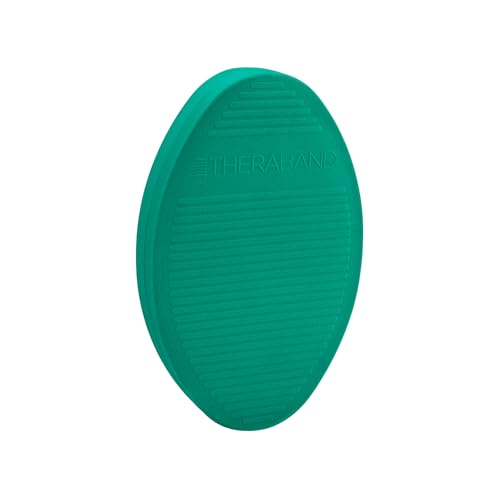
- Firm foam surface supports early balance training
- Non-slip, water-resistant, and easy to clean
- Portable size works well at home or in clinic
Best For: Seniors and beginners who want a firmer, safer balance pad for gradual training.
Best for Core & Seat Training
ProsourceFit Core Balance Disc Trainer

- Works as both a balance trainer and seat cushion
- Dual-textured, non-slip surface helps with grip
- Includes a hand pump for easy firmness adjustment
Best For: Older adults who want a compact disc for gentle balance work, posture support, or seated stability practice.
Best Cushioned Support

- Thick foam cushioning for joint comfort
- Non-slip base for steadier training
- Good for rehab, balance, and core work
Best For: Seniors and rehab users who want a soft, stable balance pad for home exercises.
Best for Ankle Rehab
Balance Board for Ankle Strengthening

- Supports ankle rehab, mobility, and balance training
- Includes exercise cards and QR-code video demos
- Portable design works well for home or travel use
Best For: Seniors and rehab users who need a guided balance trainer for ankle recovery and fall prevention.
Best for Physical Therapy

- Supports balance, core, and ankle training
- Nonslip, easy-to-clean textured foam surface
- Portable for home, therapy, or travel use
Best For: Seniors and rehab users who want a soft foam pad for safe balance practice.
Best for Easy Setup
LifePro Horizon Balance Ball Trainer
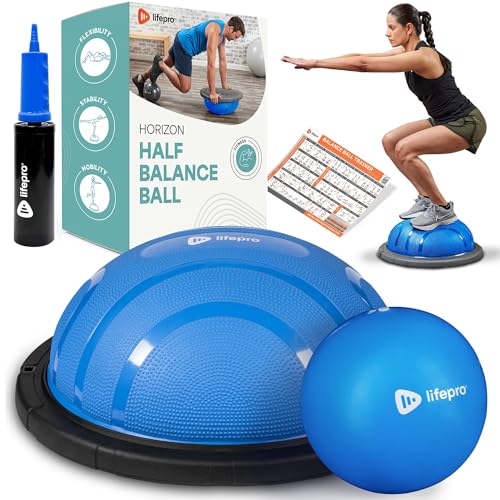
- Complete kit makes first-time setup simple
- Non-slip 23.6-inch platform supports steady training
- 440 lb capacity with two workout modes
Best For: Seniors and beginners who want an easy-to-start balance trainer for home use.
Best for Cushioned Rehab Workouts
- 2.25-inch foam cushioning for joint-friendly support
- Textured non-slip bottom helps keep the pad steady
- Good for balance drills, rehab, and light core training
Best For: Seniors and rehab users who want a cushioned, low-impact balance pad.
Best for Foot & Ankle Rehab
OPTP Dynamic Duo Balance & Stability Trainers

- Targets feet, ankles, and dynamic balance training
- Use one trainer or both for progression
- Slip-resistant base helps improve stability
Best For: Seniors doing rehab-focused balance work who want foot and ankle strengthening.
Best for Heavy-Duty Support
Professional Wooden 360° Rotating Balance Board

- 500 lb capacity with solid wood construction
- Anti-slip top for steadier rehab and balance drills
- 360° design adds challenge for coordination training
Best For: Seniors and rehab users who want a durable balance trainer for controlled stability work.
Best Advanced Foam Pad
THERABAND Stability Trainer Pad

- Extra-soft advanced foam for a bigger balance challenge
- Non-slip textured surface for standing, seated, or kneeling use
- Compact, lightweight, and easy to clean
Best For: Seniors and rehab users who want an advanced foam balance pad for controlled stability work.
Best for Beginners – THERABAND Stability Trainer Pad
If you want a practical stability trainer for seniors, this THERABAND foam pad is a smart starting point. The firm, beginner-friendly surface adds challenge without feeling overly unstable, making it useful for gentle balance work, rehab routines, and at-home core exercises.
Best For: Seniors, beginners, and therapy users who want a firmer, lower-wobble balance pad for safe progression.
Pros:
- Firm foam design gives extra support for early balance training
- Non-slip textured surface helps improve grip on floors
- Lightweight and compact for easy home or clinic use
- Water-resistant material wipes clean quickly
Cons:
- May feel too firm for users who want a more unstable challenge
- Best suited to basic balance work rather than advanced training
For anyone looking for a stability trainer for seniors that feels approachable and easy to incorporate into daily routines, this pad stands out for its support-first design. It is a good fit when safety, portability, and gradual progress matter more than a highly unstable surface.
Best for Core & Seat Training – ProsourceFit Core Balance Disc Trainer
If you want a simple stability trainer for seniors that can be used for light balance drills or as a seat cushion, this ProsourceFit balance disc is a practical pick. Its 14-inch size, dual-textured surface, and included pump make it easy to set up and adjust for comfort and control.
Best For: Older adults who want a compact, low-cost balance disc for gentle core work, posture support, or seated stability practice.
Pros:
- Can be used for both balance training and seated posture support
- Non-slip dual-textured surface adds grip and a bit of tactile feedback
- Includes a hand pump for quick inflation and firmness adjustment
- Lightweight and portable for home use or travel
Cons:
- Smaller and less supportive than larger stability aids
- Inflatable design may feel less steady than a rigid balance board
- Not ideal for seniors who need maximum support or medical-grade rehab tools
For shoppers comparing a stability trainer for seniors, this model stands out for versatility and ease of use rather than advanced support. It works best as a light training aid for improving balance awareness, seated comfort, and basic core engagement.
Best Cushioned Support – HAPBEAR Balance Pad
The HAPBEAR Balance Pad is a simple, practical stability trainer for seniors who want a softer surface for balance drills, rehab work, and light core training at home. Its thick foam construction adds comfort underfoot, while the textured, non-slip base helps keep it steady during controlled movements.
Best For: Seniors, physical therapy users, and home exercisers who want extra cushioning for balance and coordination practice.
Pros:
- 2.25-inch thick foam offers joint-friendly cushioning for knees and ankles
- Textured, non-slip bottom helps reduce shifting on hard floors
- Useful for balance work, rehab exercises, and core stability drills
- Wipes clean easily and is lightweight enough to move around the home
Cons:
- Smaller size may feel limiting for larger stance or stepping exercises
- Not a full balance board, so it’s better for static and controlled training
Overall, this pad makes sense if comfort and grip matter more than advanced instability. For anyone shopping for a stability trainer for seniors, it’s a straightforward way to add gentle challenge without the hard impact of floor-based exercises.
Best for Ankle Rehab – Balance Board for Ankle Strengthening
If you want a stability trainer for seniors that focuses on controlled balance work and ankle mobility, this board is a practical at-home option. It is designed for rehab-focused training, with support for sprains, plantar fasciitis, Achilles tendonitis, and general lower-leg strengthening.
Best For: Seniors, rehab patients, and anyone who wants a simple balance tool for ankle recovery and fall-prevention training.
Pros:
- Targets ankle strength, mobility, and proprioception for rehab and balance work
- Includes exercise cards plus QR-code video demos for clearer form guidance
- Lightweight and portable for use at home, in the office, or while traveling
- Useful for seniors who want a basic stability trainer with structured exercises
Cons:
- Single-leg wobble training may feel challenging for beginners or very unsteady users
- Better suited to targeted ankle work than full-body balance programming
This is a solid pick if you want a stability trainer for seniors that doubles as a rehab aid, especially when ankle recovery and confidence on one foot are the main goals. The extra visual guides make it easier to use correctly, but the controlled instability still means it works best for users who can train safely and steadily.
Best for Physical Therapy – Professional Foam Balance Pad
This balance pad is a practical stability trainer for seniors who want a safer way to work on balance, ankle strength, and coordination at home. The textured, nonslip foam gives extra challenge without adding heavy equipment, and the compact design makes it easy to use for daily exercise or rehab routines.
Best For: Seniors, rehab users, and beginners who want a soft, stable foam pad for balance drills, light strength work, and mobility training.
Pros:
- Helpful for balance, core, and ankle training during low-impact workouts
- Nonslip TPE surface and waterproof foam are easy to clean and use indoors
- Lightweight and portable for home, therapy, office, or travel use
Cons:
- More of a training surface than a full support tool for standing practice
- Foam instability may feel too challenging for users needing maximum firmness
Overall, this is a straightforward choice if you want a stability trainer for seniors that supports gentle rehab and progression-based balance work. It’s especially useful when you want one simple pad that can also serve stretching, meditation, and light fitness sessions.
Best for Easy Setup – LifePro Horizon Balance Ball Trainer
If you want a stability trainer for seniors that feels approachable right out of the box, the LifePro Horizon is a strong pick. It arrives as a complete kit with a pump, Pilates ball, inflation tools, and plugs, so you can start working on balance, posture, and core control without extra accessories.
Best For: Seniors, rehab users, and home exercisers who want a stable, versatile balance trainer with beginner-friendly setup.
Pros:
- Includes pump, ball, tape measure, straw, and spare plugs for quick setup
- Textured non-slip dome and 23.6-inch platform help support confident movement
- 440 lb capacity and durable base make it suitable for a wide range of exercises
- Can be used dome-up or base-up for more or less challenge
Cons:
- Not the most compact option for very small spaces
- Base-up mode may feel too unstable for complete beginners
Overall, the Horizon stands out as a practical stability trainer for seniors who want a simple setup and room to progress. Its supportive surface, high weight limit, and dual-mode design make it a flexible choice for balance work, light rehab, and core strengthening at home.
Best for Cushioned Rehab Workouts – HAPBEAR Balance Pad
If you want a simple stability trainer for seniors, this HAPBEAR balance pad offers a soft, supportive surface for standing drills, light rehab moves, and core work at home. The textured bottom helps keep it in place, while the 2.25-inch foam thickness adds comfort for joints during low-impact training.
Best For: Seniors, physical therapy users, and home exercisers who want a cushioned balance pad for safer, low-impact stability work.
Pros:
- Thick foam cushioning helps reduce pressure on knees and ankles
- Non-slip textured bottom improves floor grip during exercises
- Useful for balance practice, core training, and rehab routines
- Easy-wipe surface makes cleanup simple after workouts
Cons:
- Small footprint limits larger stance drills
- Soft foam may feel less stable for advanced balance training
For basic stability work, this pad is a practical choice because it combines comfort and grip without feeling overly complicated. As a stability trainer for seniors, it makes sense for gentle daily use, especially when the goal is confidence and joint-friendly support rather than high-intensity exercise.
Best for Foot & Ankle Rehab – OPTP Dynamic Duo Balance & Stability Trainers
If you want a stability trainer for seniors that supports gentle balance work, the OPTP Dynamic Duo offers a practical, low-profile way to train coordination, foot control, and ankle strength. The pair can be used together or separately, making it easy to adjust the challenge as confidence improves.
Best For: Seniors doing balance, mobility, or rehab exercises who want a versatile trainer for foot and ankle strengthening.
Pros:
- Supports multi-plane movement for balance, flexibility, and coordination
- Can be used individually or as a pair for progressive training
- Slip-resistant bases add stability on most surfaces
- Useful for physical therapy, conditioning, and recovery work
Cons:
- Not as intuitive as a simple balance pad for first-time users
- May be more specialized than some casual home balance tools
For seniors focused on safer, controlled movement, this is a smart stability trainer for seniors because it targets the feet and ankles while still leaving room to progress gradually. It’s a solid pick if rehab, mobility, and balance training are all part of the plan.
Best for Heavy-Duty Support – Professional Wooden 360° Rotating Balance Board
If you want a sturdier stability trainer for seniors that can double as rehab gear, this wooden 360° rotating balance board is built for controlled balance work, light physical therapy, and low-impact core training. The wide surface, anti-slip top, and high weight capacity make it a practical pick for gradual confidence-building at home.
Best For: Seniors, rehab users, and families who want a durable balance board for cautious stability training, ankle work, and posture support.
Pros:
- 500 lb capacity with a solid wood build for a stable feel
- Anti-slip surface helps support safer balance and rehab exercises
- 360° rotating design adds variety for mobility and coordination work
- No assembly required, so it is ready to use right out of the box
Cons:
- Rotation and wobble may be too challenging for very frail beginners
- Large footprint may be less convenient in tight storage spaces
- Best used with supervision or support if balance is limited
This is a solid option if you want a more robust stability trainer for seniors with room to grow into harder exercises. It leans toward rehab and balance development rather than pure comfort, so it works best for users who want a durable trainer with extra versatility.
Best Advanced Foam Pad – THERABAND Stability Trainer Pad
If you want a simple way to add challenge to balance work, this stability trainer for seniors offers a soft but demanding surface that can help improve control, posture, and confidence during light exercise or rehab.
Best For: Seniors, beginners, and rehab users who want an extra-soft balance pad for standing, seated, or kneeling drills at home or in a clinic.
Pros:
- Extra-soft advanced foam creates a bigger stability challenge without bulky equipment
- Non-slip textured surface works for standing, seated, or kneeling exercises
- Compact, lightweight, and easy to wipe clean after use
- Includes a training guide to help you get started
Cons:
- Advanced firmness may feel too unstable for very cautious first-time users
- Smaller pad size limits full-body movement drills
As a stability trainer for seniors, this THERABAND pad is a strong fit if you want a portable tool that adds difficulty while still feeling supportive. It is a practical choice for balance practice, but it works best for users ready for a more challenging foam surface.
How We Picked the Best Stability Trainer for Seniors
For a Stability Trainer for Seniors, we prioritized low-impact balance support, stable construction, comfortable surfaces, and clear use cases for home exercise or therapy. We also favored products that can scale from beginner-friendly standing drills to more challenging rehabilitation work.
Quick Comparison
Foam balance pads are usually the gentlest starting point for older adults, especially for static stands, heel raises, and weight shifts. Balance discs and wobble boards add more challenge for core and ankle engagement, while half-ball trainers and rotating boards offer the most advanced instability. If safety is the top concern, start with the most stable platform and progress only as comfort and confidence improve.
Key Buying Factors for Stability Trainer for Seniors
Stability Level
Choose a trainer that matches current ability. Beginners and anyone returning from injury generally benefit from firmer foam pads or wide, flat surfaces before moving to wobble boards or dynamic balance devices.
Surface, Grip, and Comfort
Look for non-slip bases, textured contact surfaces, and enough cushioning to reduce pressure on feet and joints. A secure platform matters more than maximum instability for most seniors.
Size and Confidence Underfoot
A larger surface can feel safer during standing exercises, especially for those working on posture, step-ups, or single-leg balance with support nearby. Smaller devices may be useful later for more advanced training.
Durability and Weight Capacity
Check the stated capacity and build quality if the trainer will be used frequently or shared in a household or clinic. Solid foam density, reinforced boards, and sturdy bases help maintain long-term performance.
Training Goals
Match the tool to the goal: foam pads for gentle balance and rehab, balance discs for core engagement, wobble boards for ankle strength, and rotating or half-ball trainers for more dynamic coordination work.
Who Should Buy Which Stability Trainer for Seniors?
Choose a foam balance pad if you want the safest starting point for a Stability Trainer for Seniors and plan to do standing balance drills, light therapy moves, or cushion-based exercise. Choose a balance disc or wobble board if the user already has decent steadiness and wants more core and ankle challenge. Choose a half-ball or rotating board only if the goal is advanced coordination, stronger lower-body control, or a progressive training setup. When in doubt, start simple, prioritize non-slip design, and advance gradually.