Long hours at a pottery wheel or workbench can leave your feet, knees, and lower back feeling the strain. The right mat adds cushioning underfoot while helping create a safer, more comfortable studio surface.
These 10 picks cover heavy-duty shop mats, thick kitchen-style cushions, and portable standing mats. Use the guide below to match thickness, size, traction, and maintenance needs to your pottery setup.
Best 10 Anti Fatigue Mat for Pottery Studio Picks for 2026
Heavy-Duty Studio Guard
Vergo 15/16-Inch Diamond Plate Mat

- 3-by-5-foot commercial-grade coverage
- Memory foam cushions prolonged standing
- Textured, beveled, non-slip safety design
Best For: High-traffic pottery work areas needing durable, broad coverage
Compact Comfort Pick

- Thick one-inch cushioning
- Compact 32-by-20-inch footprint
- Wipe-clean, non-slip surface
Best For: Small pottery stations and space-conscious studios
Safety-Edge Workstation

- High-density memory foam cushioning
- Visible yellow border and beveled edges
- Puncture-resistant, wipe-clean PU surface
Best For: Defined pottery stations needing comfort and visibility
Wide Coverage Basic

- Large 60-by-36-inch coverage
- Slim quarter-inch profile
- Made in the United States and easy to cut
Best For: Broad indoor standing areas favoring coverage over thick cushioning
Studio Comfort Pick
ComfiLife 3/4-Inch Memory Foam Mat
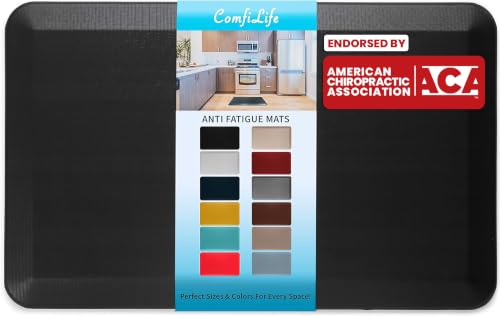
- 3/4-inch high-density memory foam
- Non-slip and stain-resistant surface
- 20 x 39 inches; wipes clean
Best For: Extended standing at a pottery workbench or studio station
Workshop Coverage Pick
Performance Tool W7702 Rubber Mat

- Neoprene rubber non-slip backing
- Oil- and dirt-resistant surface
- 1/4-inch cushioning; verify listed dimensions
Best For: Utility-focused pottery workshops with dirt-prone floors
Extra-Thick Cushioning Pick
Tyrot 9/10-Inch Anti-Fatigue Mat

- Extra-thick 9/10-inch memory foam
- Waterproof, oil-proof, and non-slip
- Compact 20 x 32-inch footprint
Best For: Single pottery stations needing maximum cushioning
Reliable PVC Cushion

- 0.5-inch soft PVC foam cushioning
- Water-resistant and easy to clean
- Non-slip underside with beveled edge
Best For: Compact, dry pottery workstations
Maximum Cushioning

- Approximately 0.9-inch memory foam
- Stain-resistant PU leather top
- Beveled edges and non-slip bottom
Best For: Long standing sessions at a fixed workbench
Portable Comfort

- 0.75-inch PU memory foam cushioning
- Built-in carrying handle
- Massage points and slip-resistant bottom
Best For: Mobile, multi-station pottery studios
Heavy-Duty Studio Guard – Vergo 15/16-Inch Diamond Plate Mat
For a pottery studio that needs an anti fatigue mat for pottery studio work areas, the Vergo Industrial mat combines substantial cushioning with a durable, workplace-oriented design. Its 3-by-5-foot footprint provides generous coverage around a wheel, workbench, or glazing station.
Best For: Potters who want broad, heavy-duty coverage for extended standing and high-traffic studio zones.
Pros:
- Nearly 1 inch thick with high-density memory foam for cushioning during long standing sessions.
- Diamond-plate texture, non-slip base, beveled edges, and a visible yellow border support safer footing.
- Non-absorbent, stain-resistant surface can be cleaned with water and mild detergent.
- Industrial-strength construction resists cuts, cracks, and tears.
Cons:
- At 22 pounds, it is less convenient to reposition frequently.
- The black-and-yellow commercial styling may be more utilitarian than decorative.
This is the strongest choice here for a demanding pottery workspace where durability, defined work zones, and full-size coverage matter more than portability.
Compact Comfort Pick – StepRite 1-Inch Standing Mat
The StepRite is a compact option for an anti fatigue mat for pottery studio setup, especially where space is limited. Its 32-by-20-inch size fits neatly in front of a small workbench, wedging table, or studio sink while providing a full inch of cushioning.
Best For: Small pottery stations and makers who need thick cushioning in a compact footprint.
Pros:
- One-inch thickness provides substantial support for prolonged standing.
- Non-slip backing is designed for tile, wood, ceramic, and marble floors.
- Stain-resistant surface wipes clean with a damp cloth.
- Neutral black color suits home, office, kitchen, and workbench settings.
Cons:
- The 32-by-20-inch footprint offers less coverage than larger studio mats.
- It is described for indoor multipurpose use rather than specifically for industrial environments.
Choose this mat when a pottery station calls for noticeable underfoot comfort without taking up much floor space or adding a bold commercial look.
Safety-Edge Workstation – FEATOL 0.9-Inch PU Mat
The FEATOL offers a practical middle ground for an anti fatigue mat for pottery studio workstation. Measuring 39 by 20 inches, it provides targeted cushioning for a wheel, bench, or sink area, while the yellow border and beveled edges help make the mat easier to see and approach.
Best For: Individual pottery stations where cushioning, easy cleaning, and visible edges are priorities.
Pros:
- High-density memory foam cushions feet, knees, and lower back during extended standing.
- PU leather top resists punctures, tears, cracking, and deformation.
- Non-slip bottom, textured surface, and low-angle beveled edges support stable placement.
- Wipes clean and is described as phthalate-free with no bad smells.
Cons:
- At 20 inches wide, it may not cover a broad pottery work zone.
- The yellow border has a distinctly safety-oriented appearance.
With a useful balance of ergonomic support and visual safety features, the FEATOL is well suited to a single, defined studio workstation rather than an entire production area.
Wide Coverage Basic – Guardian 60-by-36-Inch Mat
The Guardian provides a wide 60-by-36-inch surface for an anti fatigue mat for pottery studio layout, making it suitable when you want to cover more than a single narrow standing position. Its relatively slim quarter-inch profile may also work where a lower edge is preferred.
Best For: Broad indoor standing areas where coverage and a low-profile design matter.
Pros:
- Large 60-by-36-inch footprint covers a substantial studio standing area.
- Anti-fatigue design is listed for home, office, kitchen, garage, gym, and warehouse settings.
- Made in the United States and described as easy to cut.
Cons:
- At 0.25 inches thick, it offers less cushioning than the other listed mats.
- The supplied details identify the material inconsistently, listing both vinyl and bamboo.
- The notes do not specify a non-slip backing or beveled edges.
This is a coverage-first option for a pottery studio, but shoppers seeking maximum cushioning or clearly documented floor-grip features may prefer one of the thicker alternatives.
Studio Comfort Pick – ComfiLife 3/4-Inch Memory Foam Mat
If you need an anti fatigue mat for pottery studio work, the ComfiLife mat offers a thick memory-foam surface for standing at a workbench or wheel. Its 20-by-39-inch rectangular format provides a useful standing area without taking up excessive floor space.
Best For: Potters who want cushioned support for extended standing at a workbench or studio station.
Pros:
- 3/4-inch high-density memory foam helps reduce discomfort in the feet, knees, legs, and back.
- Non-slip backing helps keep the mat in place.
- Stain-resistant, moisture-resistant surface wipes clean with a damp cloth.
- Latex-free, BPA-free, lead-free, and phthalate-free construction.
Cons:
- At 20 by 39 inches, it may not cover a wide pottery work area.
- Wipe-clean care may be less convenient after heavy clay or glaze spills.
The ComfiLife is a practical choice when comfort and easy maintenance matter most. Its memory-foam cushioning suits long standing sessions, while the compact rectangular footprint works well beside a wheel, bench, or sink.
Workshop Coverage Pick – Performance Tool W7702 Rubber Mat
For a pottery studio that needs a workshop-oriented anti fatigue mat for pottery studio use, the Performance Tool W7702 emphasizes rubber construction, non-slip backing, and resistance to oil and dirt. It is suited to areas where studio messes and frequent standing are part of the routine.
Best For: Workshop-style pottery spaces where dirt resistance and rubber traction are priorities.
Pros:
- Neoprene rubber non-slip backing helps provide traction.
- Oil- and dirt-resistant surface is designed for garage or workshop use.
- Rubber construction offers a durable-feeling option for active work areas.
- Fade-resistant material and damp-cloth care support routine maintenance.
Cons:
- The supplied details list conflicting size information, so dimensions should be verified before purchase.
- Its 1/4-inch cushioning is thinner than the other mats in this selection.
- No manufacturer warranty is listed.
The W7702 makes the most sense for a utility-focused studio rather than a soft, highly cushioned standing setup. Confirm the dimensions before ordering, especially if you need coverage around a pottery wheel or long workbench.
Extra-Thick Cushioning Pick – Tyrot 9/10-Inch Anti-Fatigue Mat
The Tyrot is an anti fatigue mat for pottery studio stations where extra cushioning is useful during long periods of standing. Its 9/10-inch high-density foam construction, waterproof surface, and 20-by-32-inch footprint make it a compact option for a wheel, sink, or standing work area.
Best For: Potters who prioritize maximum cushioning in a compact, easy-care mat.
Pros:
- 9/10-inch, 23mm PU memory-foam cushioning supports feet, knees, lower back, and joints.
- Non-slip bottom helps reduce movement while standing.
- Waterproof and oil-proof surface wipes clean with a damp cloth.
- Suitable for wood, ceramic, and marble surfaces.
Cons:
- The 20-by-32-inch size provides less coverage than a larger workshop mat.
- Transportation may cause creases or an odor that requires airing out.
- Its waterproof surface should still be wiped promptly after clay or glaze messes.
Choose the Tyrot when thickness is the deciding factor. It offers the deepest cushioning in this group, though its smaller footprint may work best at a single studio station rather than across a broad work area.
Reliable PVC Cushion – Compact Anti-Fatigue Mat
If you need an anti fatigue mat for pottery studio tasks, this compact PVC option provides a cushioned surface for standing at a workbench or wheel. Its 0.5-inch foam construction, water-resistant surface, and beveled edge make it a practical choice for everyday studio use.
Best For: Potters who want a compact, easy-clean mat for a dry, flat workspace.
Pros:
- Soft PVC foam helps cushion feet, knees, legs, and back during extended standing.
- Water-resistant surface can be wiped, swept, or vacuumed clean.
- Diamond-patterned underside and beveled edge support stability and help reduce tripping risk.
Cons:
- The 17.3-by-28-inch footprint may not cover a larger pottery work area.
- It must be placed on an even, dry floor because moisture underneath can cause slipping.
This is a straightforward, budget-friendly studio mat when easy maintenance and a smaller footprint matter more than maximum thickness.
Maximum Cushioning – Extra-Thick Memory Foam Mat
For potters who spend long sessions standing, this extra-thick anti fatigue mat for pottery studio work offers high-density memory foam cushioning in a compact 17-by-24-inch design. The PU leather top is stain resistant and wipes clean, making it suited to workbench or standing-desk areas.
Best For: Extended standing at a pottery workbench where deeper cushioning and easy cleanup are priorities.
Pros:
- Approximately 0.9-inch memory foam construction provides substantial cushioning and rebound.
- PU leather surface resists stains, punctures, and tears and cleans with a damp cloth.
- Low-angle beveled edges and a non-slip bottom help improve footing and reduce tripping concerns.
- Ships flat rather than folded or curled, helping it arrive ready to use.
Cons:
- The 24-by-17-inch size offers limited coverage around larger studio stations.
- It is designed for work and kitchen spaces, so the supplied details do not specifically address exposure to wet clay or glaze.
This is the strongest comfort-focused choice of the three, particularly for a stationary wheel or workbench where a thick, supportive pad is valuable.
Portable Comfort – Massage-Point Studio Mat
This portable anti fatigue mat for pottery studio use combines 0.75-inch PU memory foam cushioning with massage points intended to encourage muscle movement while standing. A built-in handle makes it easy to move between a pottery wheel, workbench, or storage hook.
Best For: Potters who reposition their mat frequently or share work areas between studio tasks.
Pros:
- Massage points are designed to promote blood circulation and muscle movement.
- PU memory foam cushioning helps reduce discomfort from prolonged standing.
- Built-in handle supports easy carrying and storage.
- Non-slip bottom helps keep the 17-by-22-inch mat in place.
Cons:
- The 22-by-17-inch footprint provides less coverage than a larger studio mat.
- The textured massage surface may not suit users who prefer a completely smooth standing area.
- It should be wiped clean rather than treated as a heavy-duty wet-work surface.
This option stands out for mobility: it is a practical pick when one mat needs to follow you around a multi-station pottery studio.
How We Picked the Best Anti Fatigue Mat for Pottery Studio
For this roundup, we focused on mats that can support prolonged standing and suit the messier conditions common in pottery studios. We considered cushioning, surface traction, overall stability, water resistance, cleanability, coverage, and construction. Thickness matters, but it is only useful when paired with a firm, supportive feel and edges that are unlikely to curl or become trip hazards.
Because pottery areas may involve clay, water, glaze, and dropped tools, we also favored practical surfaces that can be wiped down easily. Product dimensions and stated materials should be checked carefully before purchase, especially when fitting a mat beneath a wheel, wedging table, or kiln-side workstation.
Quick Comparison
| Best For | What to Look For | Likely Match |
|---|---|---|
| Heavy-duty studio work | Dense construction, strong traction, broad coverage | Industrial or commercial-grade mats |
| Wheel throwing | Stable cushioning and a size that fits the operator’s stance | Thick, supportive standing mats |
| Compact work areas | Small footprint, easy repositioning | 20-by-32-inch or similar mats |
| Shared or multipurpose spaces | Portable design and simple cleanup | Lightweight mats with handles |
Key Buying Factors for an Anti-Fatigue Mat for Pottery Studio
Thickness and Support
Mats in the roughly three-quarter-inch to one-inch range can provide noticeable cushioning during long sessions. Extra thickness is not automatically better: overly soft foam may feel unstable, particularly when you shift weight while centering clay. Look for a balance between compression relief and firm support.
Traction and Stability
A non-slip top can help keep feet planted, while a grippy underside helps prevent the mat from drifting across smooth concrete, tile, or sealed floors. Avoid placing any mat over loose debris, since clay particles can reduce stability. Flat edges and a properly sized mat also lower trip risk.
Size, Shape, and Placement
Measure the area where you stand, including the space needed to move between the wheel, tools, water, and shelving. A compact mat may work well for a single standing position, while a wider rectangular model can protect more of the floor around a workbench. Leave doors, pedals, and equipment controls unobstructed.
Cleanup and Moisture Resistance
Choose a surface that tolerates frequent wiping and occasional splashes. Water-resistant materials are useful, but no mat should be left saturated. Lift and dry it periodically to prevent moisture from becoming trapped between the mat and floor.
Who Should Buy Which Anti Fatigue Mat for Pottery Studio?
Choose an industrial or commercial-grade mat if your studio sees daily use, heavy equipment, or rough concrete floors. Select a thick kitchen-style mat if comfort and easy wipe-down maintenance are your main priorities near a wheel or sink. A smaller mat suits a confined workstation, while a portable model with a built-in handle is useful for shared studios, classes, or moving between tasks.
For most potters, the best overall choice is a stable, thick mat with reliable traction, enough room for a natural stance, and a surface that can be cleaned without special treatment. Confirm the listed dimensions and return policy before buying, then position it on a clean, dry floor for the safest result.