The best trail running shoes balance traction, cushioning, stability, and protection without feeling bulky. The right pair depends on where you run, how far you go, and how much support you prefer.
We compared 10 popular options from ASICS, Brooks, New Balance, and Saucony to help you narrow the field for everything from light paths to technical and ultra-distance trails.
Best 10 Trail Running Shoes Picks for 2026
Everyday Trail Cushion

- Rearfoot GEL and AMPLIFOAM PLUS cushioning
- Moisture-managing OrthoLite sockliner
- Molded rubber outsole for trail use
Best For: Cushioned everyday trail outings
Budget Trail Traction
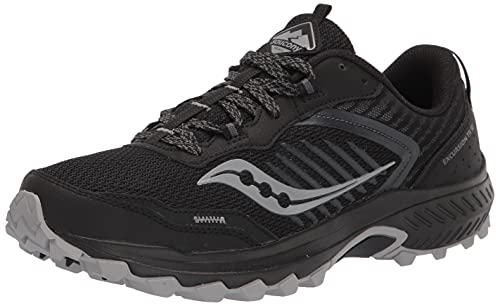
- Carbon-rubber lugs for grippy footing
- Moderate VERSARUN cushioning
- Supportive trail mesh and overlays
Best For: Casual trail running and hiking
Mountain Trail Stability

- TrailTack Green outsole for wet and dry traction
- DNA LOFT v3 cushioning with adaptive stability
- Toe cap, mudguard, and rock-shield protection
Best For: Rugged mountain trails and varied terrain
Maximum Trail Comfort
New Balance Fresh Foam X Hierro V9

- Dual-density Fresh Foam X cushioning
- Vibram Megagrip outsole with 6mm lugs
- Toe protection and debris-blocking gusseted tongue
Best For: Plush comfort on technical trails
Mountain-Trail Confidence

- Grippy TrailTack Green outsole for varied terrain
- DNA LOFT v3 cushioning with a responsive feel
- Rock Shield and overlays add trail protection
Best For: Rugged mountain trails and uneven terrain
Everyday Trail Value

- Carbon-rubber lugs provide dependable footing
- Moderate VERSARUN cushioning
- Supportive mesh upper helps block debris
Best For: Casual trail runs and hiking
All-Terrain Comfort

- 3mm TrailTack Green lugs grip wet and dry trails
- DNA LOFT v3 cushioning softens landings
- Protective upper and secure heel fit
Best For: Versatile dry, rocky, and technical trails
Ultra-Distance Cushioning
Brooks Caldera 8 Ultra Trail Running Shoe
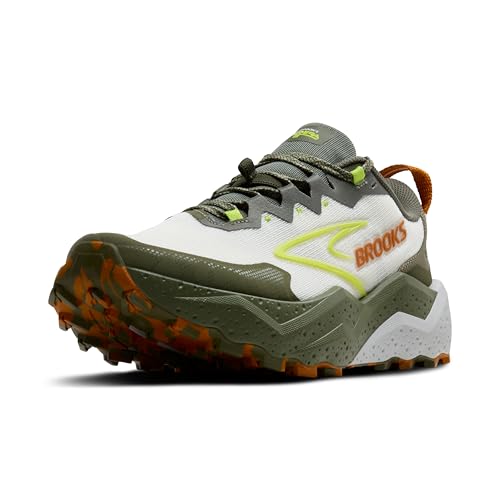
- High-stacked DNA LOFT v3 cushioning
- Raised sidewalls support stability
- Breathable, durable trail upper
Best For: Long-distance runs on rugged mountain trails
Best Simple Pick

- Fresh Foam and BIO Foam cushioning
- AT Tread all-terrain outsole
- Breathable mesh with reinforced overlays
Best For: Casual trail running and hiking
Everyday Trail Cushion – ASICS Gel-Venture 11
The ASICS Gel-Venture 11 is a practical option for runners seeking cushioned trail running shoes for casual outings and moderate trail use. Rearfoot GEL technology, AMPLIFOAM PLUS cushioning, and an OrthoLite Hybrid Max Lite sockliner support a softer, more comfortable ride, while the molded rubber outsole adds dependable everyday durability.
Best For: Runners wanting maximum cushioning for casual trail routes and athletic use.
Pros:
- Rearfoot GEL technology helps absorb shock.
- AMPLIFOAM PLUS cushioning provides a softer ride.
- OrthoLite sockliner supports moisture management, breathability, and cushioning.
- Molded rubber outsole is suited to trail surfaces.
Cons:
- Not water resistant.
- Neutral support may not suit runners seeking pronation correction.
The Gel-Venture 11 emphasizes comfort and straightforward trail versatility. It is a sensible choice for everyday runs when cushioning matters more than specialized wet-weather protection.
Budget Trail Traction – Saucony Excursion TR15
The Saucony Excursion TR15 is a straightforward choice for trail running shoes with moderate cushioning and a secure, supportive fit. Its carbon-rubber lugs provide grippy footing, while trail-specific mesh and overlays help protect against debris without adding a bulky feel.
Best For: Casual trail runners and hikers who want moderate cushioning and dependable outsole grip.
Pros:
- Carbon-rubber lugs provide rock-solid footing.
- VERSARUN cushioning delivers moderate underfoot comfort.
- Supportive overlays help lock the foot in place.
- Contains recycled materials.
Cons:
- Not water resistant.
- Moderate cushioning may feel less plush than maximum-cushion models.
- Listed surface recommendation is road despite its trail-running design.
The Excursion TR15 keeps the feature set practical: grippy traction, moderate cushioning, and basic debris protection. It fits runners looking for an uncomplicated option for outdoor routes and hiking.
Mountain Trail Stability – Brooks Cascadia 19
Brooks Men’s Cascadia 19 Mountain Trail Running Shoe - Black/Black/Ebony - 11.5 Medium
Check Price On AmazonThe Brooks Cascadia 19 is built for trail runners tackling varied mountain terrain. Its TrailTack Green outsole, Trail Adapt System, flexible Ballistic Rock Shield, and DNA LOFT v3 cushioning combine traction, adaptability, and protection for uneven wet or dry surfaces.
Best For: Trail enthusiasts who need stability, traction, and protection on rugged mountain routes.
Pros:
- TrailTack Green outsole supports traction in wet and dry conditions.
- DNA LOFT v3 cushioning provides a soft, responsive ride.
- Trail Adapt System and Ballistic Rock Shield enhance stability and adaptability.
- Reinforced toe cap, mudguard, and protective overlays help shield against debris.
Cons:
- Not water resistant.
- Moderate-to-high cushioning may not appeal to runners preferring a minimal feel.
- Neutral support does not provide pronation correction.
The Cascadia 19 is the most terrain-focused option in this group. Its combination of protective construction, adaptive stability, and recycled-content traction rubber makes it well suited to demanding trail conditions.
Maximum Trail Comfort – New Balance Fresh Foam X Hierro V9
New Balance Men's Fresh Foam X Hierro V9 Trail Running Shoe, Afterglow/Dark Olivine, 9
Check Price On AmazonThe New Balance Fresh Foam X Hierro V9 is designed for runners who prioritize maximum cushioning and confident grip in trail running shoes. Its dual-density Fresh Foam X midsole balances a softer top layer with a firmer stabilizing base, while the Vibram Megagrip outsole uses deeper 6mm lugs for wet and dry terrain.
Best For: Runners seeking plush cushioning, strong all-weather grip, and protection on technical trails.
Pros:
- Dual-density Fresh Foam X provides a plush yet stable ride.
- Vibram Megagrip outsole and 6mm lugs support wet and dry traction.
- Toe Protect technology helps shield against rocks, roots, and debris.
- Engineered knit upper and gusseted tongue promote airflow and help keep debris out.
Cons:
- Not water resistant.
- Maximum cushioning may feel less responsive to runners who prefer a lower-profile shoe.
- Neutral support does not provide pronation correction.
The Hierro V9 stands out for combining maximum cushioning with aggressive Vibram traction and toe protection. It is a strong match for technical, rocky routes where comfort and grip are equally important.
Mountain-Trail Confidence – Brooks Women’s Cascadia 19
Brooks Women’s Cascadia 19 Mountain Trail Running Shoe - Coconut/Misty Blue/Ebony - 9.5 Medium
Check Price On AmazonThe Brooks Women’s Cascadia 19 is a capable choice among trail running shoes for runners who want confident traction, cushioning, and stability across rugged mountain terrain. Its TrailTack Green outsole, DNA LOFT v3 midsole, and protective upper are designed for varied wet and dry conditions.
Best For: Trail enthusiasts tackling uneven, rugged, and mountainous routes.
Pros:
- TrailTack Green rubber outsole uses grippy lugs for wet and dry traction.
- Nitro-infused DNA LOFT v3 cushioning offers a soft, responsive ride.
- Ballistic Rock Shield and Trail Adapt System support stability on uneven ground.
- Reinforced toe cap, mudguard, and 3D overlays help protect against debris.
Cons:
- Not water resistant.
- Moderate-to-high cushioning may feel less minimal for runners seeking a close-to-ground ride.
- Designed with a neutral pronation profile rather than correction for overpronation.
The Cascadia 19 stands out as an adaptable, protective option for technical trails. Choose it when traction and underfoot protection matter as much as comfortable cushioning.
Everyday Trail Value – Saucony Men’s Excursion TR14
The Saucony Men’s Excursion TR14 is a straightforward option among trail running shoes for everyday runs, hikes, and moderate off-road routes. It combines carbon-rubber lugs, moderate VERSARUN cushioning, and a supportive mesh upper without a bulky feel.
Best For: Casual trail runners and hikers looking for moderate cushioning and dependable footing.
Pros:
- Carbon-rubber outsole lugs provide firm grip on the trail.
- VERSARUN cushioning supplies moderate underfoot comfort.
- Trail-specific mesh and overlays help secure the foot and deflect debris.
- Neutral design and reported true-to-size fit simplify everyday use.
Cons:
- Not water resistant.
- Moderate cushioning may offer less underfoot plushness than highly cushioned models.
- It is a neutral shoe without pronation correction.
The Excursion TR14 keeps the feature set practical and uncomplicated. It is a sensible pick for general trail outings when you want grip and cushioning without a specialized, technical build.
All-Terrain Comfort – Brooks Men’s Ghost Trail
The Brooks Men’s Ghost Trail blends the familiar comfort of the Ghost line with off-road traction, making it a versatile choice among trail running shoes. A TrailTack Green outsole with 3mm lugs, DNA LOFT v3 cushioning, and a secure mesh upper suit dry, rocky, and technical routes.
Best For: Trail runners and outdoor adventurers moving between varied off-road surfaces.
Pros:
- TrailTack Green rubber outsole and 3mm lugs grip wet and dry surfaces.
- Nitrogen-infused DNA LOFT v3 cushioning supports plush landings and responsiveness.
- Air mesh and protective 3D overlays help balance breathability and durability.
- Heel-locking design and adjustable lacing support a secure fit.
Cons:
- Not water resistant.
- Listed cushioning is moderate, so it may not suit runners wanting maximum stack or softness.
- The shoe has a neutral pronation profile rather than built-in correction.
The Ghost Trail is a strong all-purpose option for runners who want trail grip without giving up a cushioned, road-shoe-inspired feel. Its secure fit and protective upper add confidence on unpredictable terrain.
Versatile Trail Pick – New Balance Dynasoft Tektrel V1 Suede
The New Balance Dynasoft Tektrel V1 Suede is a practical choice for trail running shoes shoppers who want plush cushioning and dependable traction across mixed surfaces. Its AT Tread outsole is designed for both paved and off-road use, while the suede and synthetic upper adds durability.
Best For: Runners and hikers who want maximum cushioning, neutral support, and all-weather grip for mixed paved and trail use.
Pros:
- DynaSoft midsole balances responsive performance with cushioned comfort.
- AT Tread outsole provides traction on paved and off-road surfaces.
- Suede and synthetic construction adds durability.
- Water-resistant design with neutral pronation support.
Cons:
- The low-top design may offer less ankle coverage than hiking footwear.
- Its maximum cushioning may feel more substantial than minimalist trail shoes.
Choose this model if versatility matters more than specialized technical-trail features. It is well suited to everyday trail runs, hikes, and mixed-surface outings.
Ultra-Distance Cushioning – Brooks Caldera 8 Ultra Trail Running Shoe
Brooks Men’s Caldera 8 Ultra Trail Running Shoe - Dusty Olive/Lime/Oyster - 10 Medium
Check Price On AmazonThe Brooks Caldera 8 is built for runners seeking highly cushioned trail running shoes for long distances and rugged terrain. Its nitrogen-infused DNA LOFT v3 midsole, raised sidewalls, and widened base are designed to improve comfort, security, and stability over rocks and roots.
Best For: Distance trail runners who prioritize maximum cushioning, protective comfort, and a stable ride on rough terrain.
Pros:
- High-stacked DNA LOFT v3 cushioning helps protect against rough terrain.
- Raised sidewalls provide added security and stabilization.
- Breathable upper supports ventilation and moisture management.
- Widened base and flex grooves help stabilize landings.
Cons:
- It is not water resistant.
- The maximum-cushioning build may feel less nimble than lower-profile options.
- At 600 g per pair listing weight, it may not suit runners seeking an especially light shoe.
The Caldera 8 stands out for ultra-distance comfort and protection rather than minimal weight. Its construction makes it a strong option for mountainous trails and extended outings.
Best Simple Pick – New Balance Fresh Foam 410v9
The New Balance Fresh Foam 410v9 is a straightforward option for trail running shoes buyers who want lightweight shock absorption and versatile traction. Fresh Foam and BIO Foam cushioning support comfort on uneven terrain, while the AT Tread outsole works for both off-road and on-road activities.
Best For: Casual trail runners and hikers looking for moderate cushioning, breathable construction, and flexible all-terrain use.
Pros:
- Fresh Foam cushioning delivers lightweight shock absorption.
- AT Tread outsole supports on-road and off-road traction.
- Breathable mesh and reinforced overlays balance airflow and durability.
- Lace-up closure allows a customized, secure fit.
Cons:
- It is not water resistant.
- Moderate cushioning offers less underfoot padding than maximum-cushioning models.
- The neutral design does not provide pronation correction.
This model is a sensible everyday pick for shorter trail sessions, hiking, and mixed-terrain activities. Consider it when breathable construction and versatility are more important than maximum protection.
How We Picked the Best Trail Running Shoes
We focused on the features that matter most on uneven ground: outsole traction, cushioning, stability, upper protection, fit, and intended use. The selection includes versatile everyday models, budget-conscious choices, highly cushioned shoes, and options designed for longer trail efforts.
Because trail conditions vary widely, no single shoe is ideal for every runner. A lightweight model may feel faster on smooth paths, while a more structured shoe can provide better confidence on rocks, roots, and loose surfaces.
Quick Comparison of These Trail Running Shoes
| Best For | Look For |
|---|---|
| Light trails and parks | Flexible cushioning, moderate lugs, and a comfortable upper |
| Rugged mountain terrain | Deeper traction, stable construction, and added toe protection |
| Long-distance running | Plush cushioning, secure fit, and reduced fatigue over time |
| Budget-friendly training | Reliable grip, durable materials, and versatile everyday comfort |
Key Buying Factors for Trail Running Shoes
Traction and Outsole Design
Look for lug depth that matches your terrain. Shallow or moderate lugs work well on packed dirt and maintained paths, while deeper, widely spaced lugs shed mud and improve grip on loose ground. A sticky rubber compound can help on wet rock.
Cushioning and Underfoot Feel
More cushioning can improve comfort on long runs and hard-packed surfaces, but some runners prefer a firmer, closer-to-the-ground feel for technical terrain. Consider your mileage, body weight, pace, and personal comfort preference.
Fit, Stability, and Protection
Your heel should stay secure without pressure, and your toes need room to spread without sliding forward on descents. Trail shoes should also hold the foot firmly across uneven ground. A reinforced toe area is useful when routes include rocks and roots.
Water Resistance and Durability
Breathable mesh is generally better for warm conditions and stream crossings because it dries faster. Water-resistant materials can help in damp weather, but they may run warmer. Durable overlays are valuable if you frequently run through abrasive terrain.
Who Should Buy Which Trail Running Shoes?
Choose a versatile, moderately cushioned model if you split your time between roads, parks, and easy trails. Runners tackling technical mountain routes should prioritize dependable lugs, stability, and protective uppers. For high-mileage training or ultra-distance events, prioritize cushioning, a secure fit, and comfort that remains consistent late in the run.
New trail runners may benefit from an affordable, forgiving shoe before investing in a specialized model. Experienced runners should match the shoe more precisely to terrain, distance, and running style. Whenever possible, try shoes with the socks you normally wear and leave roughly a thumb’s width in front of your longest toe.