Finding reliable hiking shoes for narrow feet can be difficult when many outdoor styles are built around a roomier fit. The right pair should hold your heel securely, reduce excess movement, and still leave enough room for natural toe spread.
This roundup compares 10 options across day hiking, trail walking, wet-weather use, and lightweight backpacking. Use the guide below to match construction, traction, cushioning, and fit to your terrain and hiking habits.
Best 10 Hiking Shoes for Narrow Feet Picks for 2026
Best All-Around Support

- Leather-and-mesh upper with protective toe cap
- Removable contoured insole with heel cushioning
- Water-resistant, moderate-support hiking design
Best For: Hikers seeking supportive everyday trail shoes
Best Lightweight Trail Cushioning
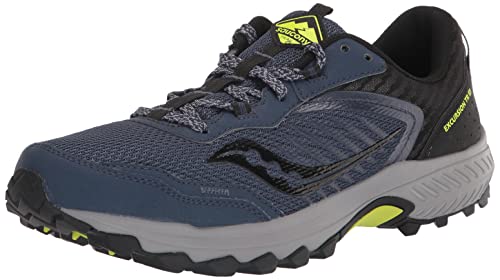
- Supportive overlays help lock the foot in place
- Carbon-rubber lugs provide trail traction
- Moderate VERSARUN cushioning
Best For: Dry-trail hikers wanting a streamlined athletic shoe
Best Breathable Option

- Breathable mesh-and-TPU upper
- Removable contoured insole for flexible support
- Lightweight design with debris-blocking tongue
Best For: Dry-trail hikers prioritizing airflow and flexibility
Best Value Trail-to-Everyday Pick
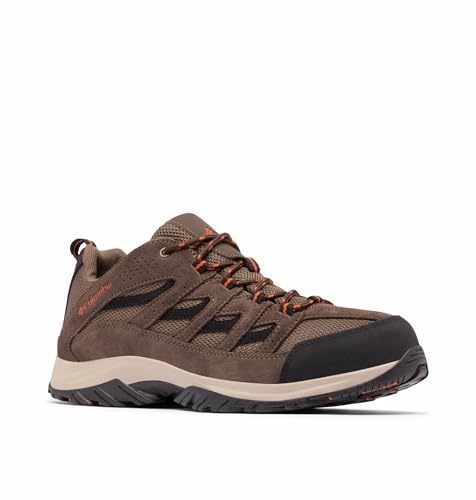
- Lightweight suede-and-mesh construction
- High-traction tread for dirt and rocks
- No break-in period and versatile everyday styling
Best For: Dry-trail hikers wanting a versatile lightweight shoe
Lightweight Trail Pick
Merrell Women's Speed Strike 2

- Lightweight mesh and synthetic construction
- Moderate EVA cushioning for trail comfort
- Sticky rubber outsole for traction
Best For: Lightweight hiking and casual trail outings
Everyday Leather Hiker

- Durable suede leather upper
- Triple-density EVA O FIT Insole
- Multidirectional Trail Tread lugs
Best For: Day hikes, travel, commuting, and casual wear
Natural-Movement Trail Runner

- Grippy MaxTrac outsole with TrailClaw lugs
- Flexible, breathable ripstop mesh upper
- Roomy eNatural Fit toe box
Best For: Trail running, walking, and flexible outdoor use
Best Lightweight Waterproof Pick

- Waterproof low-top design
- Memory foam cushioning
- Slip-resistant rubber outsole
Best For: Lightweight hiking and wet-weather walking
Best Ankle-Support Option

- Ankle-height hiking boot
- Removable arch-supporting insole
- High-traction rubber outsole
Best For: Backpacking and uneven outdoor terrain
Best All-Around Support – Merrell Women's Moab 3
For shoppers comparing hiking shoes for narrow feet, the Merrell Women’s Moab 3 offers a structured, supportive design with a protective toe cap and a removable contoured insole. Its leather-and-mesh upper balances durability and breathability for everyday trail use.
Best For: Hikers who want moderate support, cushioning, and a durable low-profile hiking shoe.
Pros:
- Pig suede leather and mesh upper provides a practical mix of durability and airflow.
- Protective toe cap helps shield the front of the foot from trail debris.
- Removable Kinetic Fit ADVANCED insole provides contoured support and reinforced heel cushioning.
- Water-resistant construction and a bellows tongue add useful trail protection.
Cons:
- At 2.3 pounds, it may feel heavier than lighter mesh trail shoes.
- The supplied fit information says it fits well out of the box, but it does not specifically confirm a narrow fit.
The Moab 3 is a sensible choice when support and protection matter more than ultralight weight. Narrow-foot shoppers should still verify the fit carefully, especially around the heel and midfoot.
Best Lightweight Trail Cushioning – Saucony Excursion TR15
The Saucony Excursion TR15 is worth considering among hiking shoes for narrow feet if you prefer a low-top trail shoe with a secure-feeling upper and moderate cushioning. Its supportive overlays are designed to help hold the foot in place without a bulky feel.
Best For: Trail walkers and hikers who prioritize moderate cushioning, grip, and a streamlined mesh design.
Pros:
- Trail-specific mesh and supportive overlays help secure the foot while limiting bulk.
- Carbon-rubber lugs provide traction on trail surfaces.
- VERSARUN cushioning offers moderate underfoot comfort.
- Neutral construction suits hikers who do not need built-in pronation correction.
Cons:
- It is not water resistant, so it is less suited to wet conditions.
- The supplied details do not specifically confirm a narrow-width fit.
With its low-top profile and supportive overlays, the Excursion TR15 may suit narrow-foot shoppers who want a more athletic trail feel. Consider it primarily for dry hikes where traction and cushioning are priorities.
Best Breathable Option – Merrell Women's Siren Edge 3
For those seeking hiking shoes for narrow feet in a breathable, lightweight style, the Merrell Women’s Siren Edge 3 combines a mesh-and-TPU upper with a traditional lace closure. Its contoured footbed supplies flexible support for hiking trails and casual outdoor wear.
Best For: Hikers who prefer breathable mesh, flexible support, and a lightweight low-top design for dry trails.
Pros:
- Mesh and TPU upper promotes breathability while adding supportive structure.
- Bellows tongue helps keep trail debris out.
- Removable Kinetic Fit BASE insole provides contoured, flexible support.
- Lightweight, cushioned construction is suited to casual hiking use.
Cons:
- It is not water resistant, making it less suitable for wet conditions.
- Mesh construction may provide less protection than a leather hiking shoe.
- The supplied fit information says the fit is good but does not identify a narrow width.
The Siren Edge 3 is a practical warm-weather option when airflow and flexibility are more important than weather protection. Narrow-foot shoppers should use the lace system to fine-tune the fit and confirm sizing before longer hikes.
Best Value Trail-to-Everyday Pick – Columbia Men's Crestwood
Columbia Men's Crestwood Hiking Shoe | High Traction, Lightweight, Breathable, Wide Fit Available
Check Price On AmazonThe Columbia Men’s Crestwood is a practical candidate in the hiking shoes for narrow feet category, especially for shoppers who want a lightweight leather-and-mesh shoe that can transition from trails to everyday wear. Its high-traction outsole is designed for dirt, rocks, and varied terrain.
Best For: Hikers seeking a lightweight, durable shoe with dependable traction and no break-in period.
Pros:
- Breathable suede mesh construction is designed for dry environments.
- High-traction tread supports movement across dirt, rocks, and varied terrain.
- Lightweight design is described as comfortable without unnecessary bulk.
- Ready-out-of-the-box construction requires no break-in period.
Cons:
- It is not water resistant, so it is not ideal for wet-weather hiking.
- The supplied details mention a wide-fit option, which may be less suitable for narrow feet.
- Cushioning is moderate rather than highly plush.
The Crestwood stands out for versatile trail-to-town use and reliable traction, but narrow-foot shoppers should pay close attention to the available width. It is best suited to dry conditions and buyers who value immediate comfort over specialized narrow construction.
Lightweight Trail Pick – Merrell Women's Speed Strike 2
For shoppers seeking hiking shoes for narrow feet, the Merrell Women’s Speed Strike 2 is a lightweight low-top option with a lace-up closure and a streamlined athletic-shoe design. Its mesh and synthetic upper, moderate EVA cushioning, and sticky rubber outsole suit casual trail use, though the supplied details do not confirm a narrow-specific fit.
Best For: Lightweight hiking and casual trail outings where moderate cushioning and dependable rubber traction are priorities.
Pros:
- Lightweight mesh and synthetic upper with a protective, abrasion-resistant heel and toe cap.
- EVA foam midsole provides stability and moderate cushioning.
- Merrell sticky rubber outsole is designed for durable traction on trails.
- Heel loop makes entry easier and supports carabiner compatibility.
Cons:
- Not water resistant, according to the supplied product details.
- The supplied information does not specify a narrow-width fit.
- Its pointed-toe listing may not appeal to shoppers seeking a roomier toe shape.
The Speed Strike 2 is a practical choice when low weight and trail grip matter most. If your feet are genuinely narrow, confirm the fit before buying because the available specifications do not identify a narrow last or width.
Everyday Leather Hiker – Oboz Men's Bozeman II
For those comparing hiking shoes for narrow feet, the Oboz Men’s Bozeman II offers a structured low-top design with a suede leather upper, lace-up closure, and a triple-density EVA insole. It is listed as fitting true to size, but the supplied details do not confirm a narrow-specific width.
Best For: Day hikes, travel, commuting, and casual wear when a durable suede upper and versatile traction are useful.
Pros:
- Suede leather upper is designed for durability and everyday outdoor styling.
- KINERTIA-cushioned EVA midsole supports all-day comfort across varied terrain.
- O FIT Insole combines triple-density EVA foam, a deep heel cup, and a firm molded shell.
- Trail Tread outsole uses multidirectional lugs for grip on dirt, gravel, and paved surfaces.
Cons:
- Not water resistant, according to the supplied details.
- Suede construction may feel less lightweight than mesh alternatives.
- No narrow-width specification is provided.
The Bozeman II stands out as a supportive, versatile hiking shoe with a more structured interior and leather upper. It may suit narrow-footed shoppers who prefer a secure true-to-size feel, but width compatibility should be verified before purchase.
Natural-Movement Trail Runner – ALTRA Women's Lone Peak 8
Among hiking shoes for narrow feet, the ALTRA Women’s Lone Peak 8 is worth considering for shoppers who prioritize flexible trail performance, although its eNatural Fit toe box is specifically designed to let toes relax and spread rather than provide a narrow fit. It combines ripstop mesh, a MaxTrac outsole, TrailClaw lugs, and a 25mm stack height.
Best For: Trail running, walking, and hiking when flexible movement, grippy traction, and a roomy toe box are preferred.
Pros:
- MaxTrac outsole and multidirectional TrailClaw lugs provide grippy trail traction.
- Refined ripstop mesh upper is breathable and flexible.
- eNatural Fit toe box allows the toes to relax and spread naturally.
- 25mm stack height supplies moderate cushioning for longer outings.
Cons:
- The roomy toe box may not suit shoppers seeking a snug narrow-foot fit.
- Not water resistant, according to the supplied details.
- It is categorized primarily as a trail running and walking shoe rather than a traditional hiking shoe.
The Lone Peak 8 is best for a natural, spacious forefoot and flexible trail feel—not a conventional narrow fit. Narrow-footed buyers should pay particular attention to the roomy toe-box design and sizing before choosing it.
Best Lightweight Waterproof Pick – CC-Los Women's Hiking Shoes
For shoppers comparing hiking shoes for narrow feet, the CC-Los Women’s Waterproof Hiking Shoes offer a lightweight, low-top design with a lace-up closure for an adjustable fit. Their mesh-and-suede construction, memory foam sockliner, and moderate cushioning make them a practical choice for everyday trails and outdoor walking.
Best For: Lightweight hiking, outdoor walking, and wet-weather use when waterproof protection is a priority.
Pros:
- Waterproof design helps keep feet dry.
- Memory foam sockliner and EVA insole provide cushioned comfort.
- Rubber outsole offers slip-resistant traction, with a reinforced toe for added stability.
- Breathable mesh and eco microfiber suede support airflow and durability.
Cons:
- The supplied details do not specify a narrow-specific fit or width options.
- Moderate cushioning may provide less underfoot support than a more heavily cushioned hiking shoe.
This is a well-rounded option if you want waterproof protection, low weight, and everyday comfort. Because the listing does not confirm a narrow last, compare the sizing information carefully if you typically need a close-fitting shoe.
Best Ankle-Support Option – NORTIV 8 Women's Hiking Boots
Among hiking shoes for narrow feet, these NORTIV 8 ankle hiking boots stand out for their higher shaft and lace-securement hooks, which can help create a more secure feel around the foot and ankle. The suede-style upper, EVA cushioning, and rugged outsole are suited to demanding outdoor use.
Best For: Day hikes, backpacking, camping, and uneven or muddy terrain where ankle coverage and traction matter.
Pros:
- Ankle-height construction provides more coverage than a low-top hiking shoe.
- Removable flexible insole offers arch support and lets you adjust the footbed.
- Multi-Directional Traction rubber outsole is designed for muddy and rocky surfaces.
- Waterproof rating and breathable mesh lining balance weather protection and comfort.
Cons:
- The supplied details do not confirm a narrow-specific width or last.
- An ankle boot may feel less flexible than a low-top shoe.
The secure lace hooks, removable insole, and traction-focused outsole make this the most supportive-looking choice of the three for rougher routes. Check the sizing carefully, especially because the listing includes a wide size designation in its style number.
Best Everyday Walking Value – NORTIV 8 Women's Hiking Shoes
For people seeking hiking shoes for narrow feet that can also handle daily wear, these low-top NORTIV 8 shoes combine a lightweight build with removable cushioned insoles and a lace-up closure. Their breathable mesh lining and EVA-and-rubber outsole make them versatile for walking, work, travel, and moderate outdoor activities.
Best For: Daily walking, travel, outdoor work, and casual hiking in dry conditions.
Pros:
- Removable shock-absorbent insoles provide moderate-to-high cushioning.
- Breathable mesh lining and lightweight EVA midsole support all-day comfort.
- Rugged rubber outsole uses Multi-Directional Traction for outdoor grip.
- Lace hooks help keep the laces secure.
Cons:
- Not water resistant, so it is less suitable for wet trails.
- The supplied details do not specify a narrow-specific fit or width options.
This is the most versatile pick for buyers who want one shoe for everyday walking and occasional outdoor use. Its dry-weather limitation is important, but the removable insole and lightweight cushioning may make fit adjustments easier for some wearers.
How We Picked the Best Hiking Shoes for Narrow Feet
We focused on shoes and lightweight boots that can provide a secure, stable fit without relying solely on heavy construction. The selection covers different shapes, including traditional hiking shoes, trail runners, waterproof walking shoes, and ankle-height boots.
We considered heel hold, upper adjustability, outsole traction, cushioning, underfoot protection, water resistance, breathability, and intended use. Because narrow feet can still differ in heel width, arch shape, and forefoot volume, a shoe’s lacing system and available fit options matter as much as its label.
Quick Comparison
| Best For | What to Prioritize | Styles to Consider |
|---|---|---|
| Easy day hikes | Comfort, dependable grip, moderate support | Traditional hiking shoes and trail walkers |
| Wet or muddy trails | Waterproofing, lugged outsole, secure heel | Water-resistant shoes and ankle boots |
| Fast, lightweight miles | Low weight, flexible cushioning, breathable upper | Trail-running-inspired shoes |
| Rougher terrain | Toe protection, torsional stability, firm traction | Structured hiking shoes and boots |
| Budget-conscious walking | Basic comfort, non-slip traction, practical coverage | Lightweight outdoor walking shoes |
Key Buying Factors for Hiking Shoes for Narrow Feet
Heel and Midfoot Security
A narrow-friendly fit should keep your heel from lifting and prevent your foot from sliding side to side. Look for well-padded heel counters, adjustable laces, and uppers that can be snugged across the midfoot without creating pressure points. Try shoes with the socks you plan to hike in.
Forefoot Shape and Toe Room
Narrow does not mean cramped. Your toes should have enough length and vertical space to avoid contact with the front of the shoe on descents. If the toe box feels loose, thicker socks or a supportive insole may help, but they should not be used to compensate for major sizing problems.
Traction and Protection
Choose deeper, more defined lugs for loose soil, roots, and wet rock. For maintained paths, a moderately aggressive outsole may be more comfortable and quieter. A reinforced toe area helps protect against rocks, while a firmer midsole can improve stability under a loaded pack.
Waterproofing, Breathability, and Weight
Waterproof membranes are useful in persistent rain, shallow puddles, and damp grass, but they can feel warmer and dry slowly after soaking. Breathable non-waterproof uppers are often preferable in hot, dry conditions. Lightweight shoes reduce fatigue, while ankle boots add coverage and structure at the cost of flexibility.
Who Should Buy Which Hiking Shoes for Narrow Feet?
Choose a traditional hiking shoe if you want balanced support for regular day hikes and mixed surfaces. A trail-running-style option suits hikers who value low weight, flexibility, and a faster pace. Waterproof lightweight shoes or boots are better for wet climates and muddy paths, especially when paired with moisture-managing socks.
For rocky trails, longer outings, or heavier packs, prioritize a structured sole, protective toe cap, and stable heel over the absolute lowest weight. If you mostly walk parks, rail trails, or neighborhood paths, focus on comfort, easy adjustability, and traction rather than aggressive boot features. Whichever pair you choose, break it in gradually and check for heel slip, toe pressure, and hot spots before committing to a long hike.